
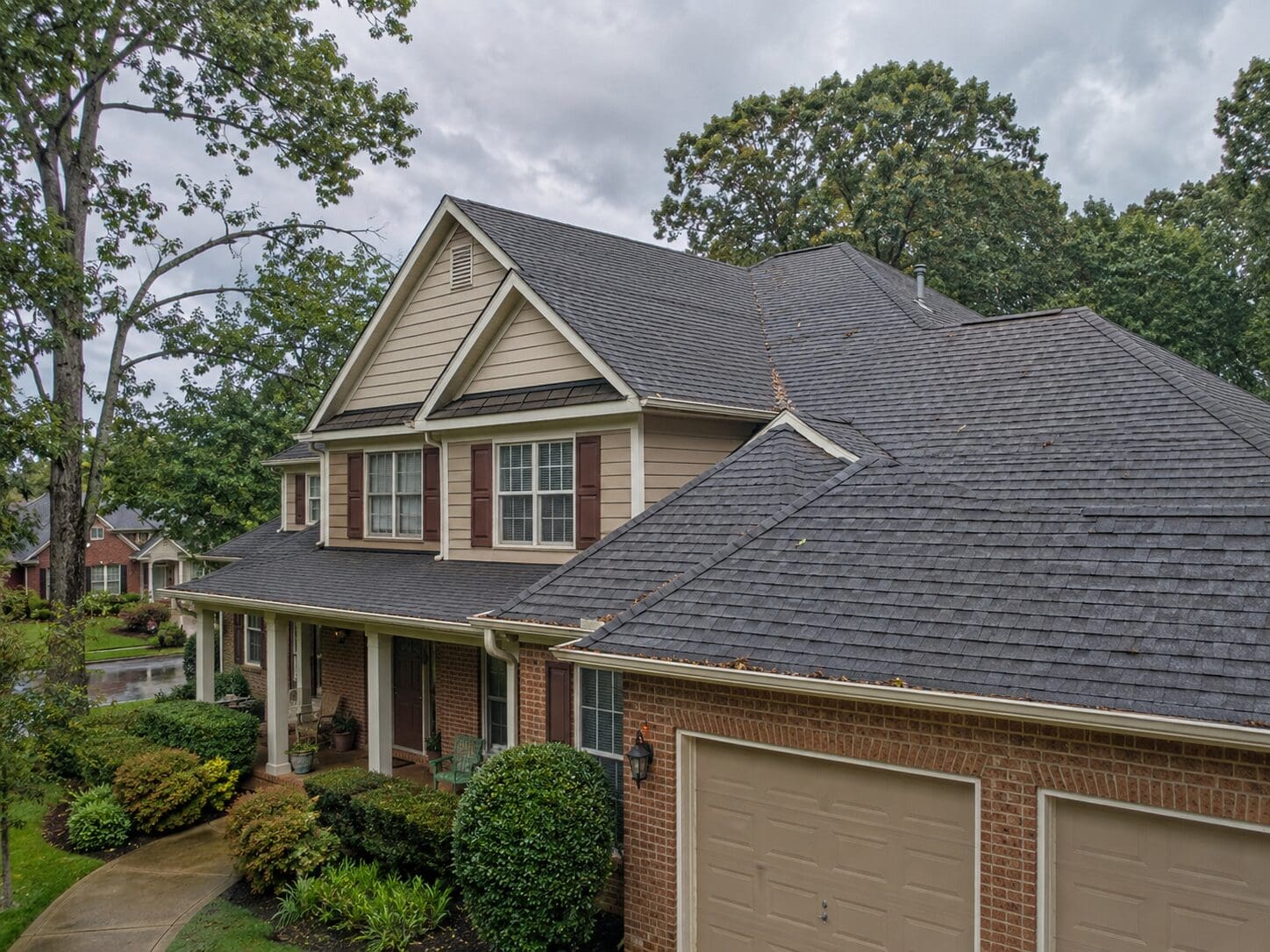
Atlanta summer storm roof damage is not always easy to spot right away. A roof may look fine from the driveway after heavy rain, strong wind, hail, or fallen branches, but small problems can stay hidden until fall brings more rain, leaves, and cooler weather.
For Atlanta homeowners, summer storms can affect shingles, gutters, flashing, roof vents, valleys, attic spaces, and interior ceilings. Even when there is no active leak, storm exposure can loosen materials, move granules, clog drainage, or create weak points that become more serious later.
If your home has been through strong summer storms and the roof has not been checked recently, contacting Ridgeline Roofing & Restoration can help you understand whether your roof needs repair, storm damage documentation, or continued monitoring before fall.
What Should Atlanta Homeowners Check After Summer Storms?
Atlanta homeowners should check for lifted or missing shingles, granules collecting near gutters, dented vents or flashing, attic moisture, ceiling stains, loose roof penetrations, clogged gutters, and debris buildup near roof edges after summer storms.
These signs may point to storm damage, roof aging, drainage problems, or hidden moisture concerns. Fall is a smart time to inspect because storm damage that was easy to miss in summer can become more noticeable once rain patterns change and leaves begin to collect.

1. Check for Missing, Lifted, or Uneven Shingles
Shingles are usually one of the first places storm damage starts to show. Wind can lift shingle tabs, weaken the adhesive seal, or remove shingles completely. In some cases, shingles settle back into place after the storm, making the damage harder to notice from the ground.
Atlanta homeowners should look for:
Missing shingles: Roof areas that appear exposed or uneven may need attention.
Lifted or curling edges: Raised shingle tabs can allow wind-driven rain to get underneath.
Uneven shingle lines: Sections that look wavy, shifted, or loose may suggest storm movement.
Darker or smoother areas: Patchy roof color may point to granule loss or surface wear.
These signs may suggest the roof was affected by summer wind, hail, or repeated heavy rain. Even a roof that is not actively leaking today may be more vulnerable once fall rain or another storm arrives.
Limitation Note: A ground-level check can help homeowners spot obvious shingle issues, but it cannot confirm hidden seal failure, hail bruising, or storm-related soft spots. A closer inspection may still be needed.

2. Look for Granules in Gutters and Around Downspouts
One of the most common signs of Atlanta summer storm roof damage is granule loss. Granules help protect asphalt shingles from sun exposure, heat, and weather. When hail or heavy wind-driven rain hits the roof, those granules can loosen and wash into the gutters.
Homeowners may notice:
Dark sandy material in the gutters: This may be loose shingle granules.
Granules near downspout exits: Heavy buildup may suggest recent roof surface wear.
Patchy roof color: Areas that look smoother or darker may have lost protective granules.
More gutter debris than usual: Storms can push leaves, branches, and shingle particles into the drainage system.
Some granule loss is normal as a roof ages, but sudden or heavy buildup after summer storms can be a warning sign worth checking before fall.
Limitation Note: Granules in gutters may suggest storm damage or aging shingles, but they do not confirm the full condition of the roof. The roof surface still needs to be evaluated as part of the bigger picture.

3. Inspect Flashing, Roof Vents, and Other Problem Areas
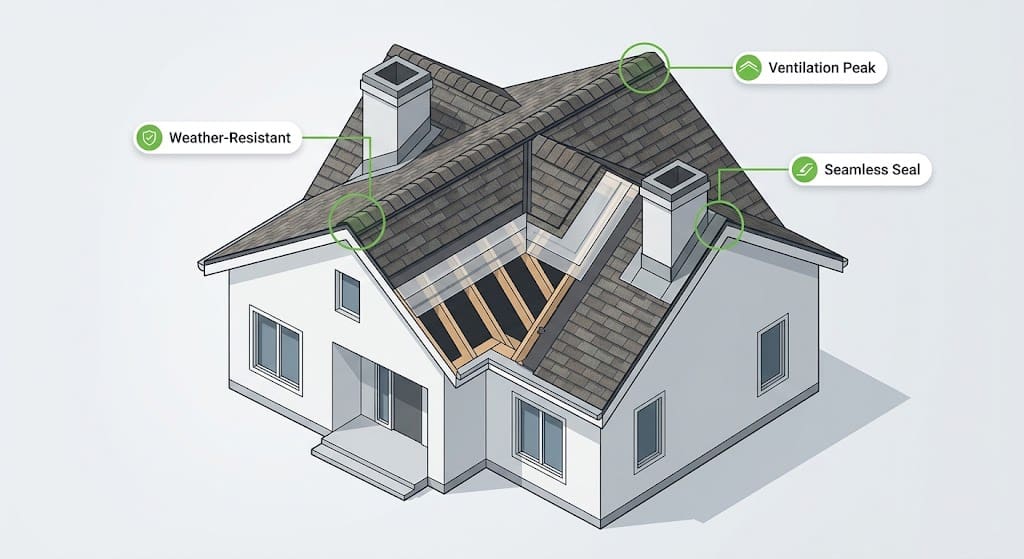
Not every roof problem happens in the middle of the shingles. Some of the most common trouble spots are around flashing, vents, pipe boots, chimneys, valleys, skylights, and roof-to-wall transitions.
Summer storms can loosen flashing, crack sealants, dent soft metal parts, or push water into vulnerable areas. These areas can become leak points once fall rain starts moving through more regularly.
Atlanta homeowners should watch for:
Dented or shifted roof vents: This may suggest hail impact or wind movement.
Loose flashing: Weak flashing around chimneys, walls, or roof edges can allow water entry.
Cracked sealant: Old or storm-stressed sealant around penetrations may fail over time.
Debris buildup in valleys: Leaves and branches can slow water flow and trap moisture.
These issues may not always cause an immediate leak, but they can weaken the roof system before the next round of rain.
Limitation Note: Flashing and vent problems are not always visible from the ground. Some storm-related weaknesses may only be found during a closer inspection.
4. Check the Attic and Interior for Moisture Signs
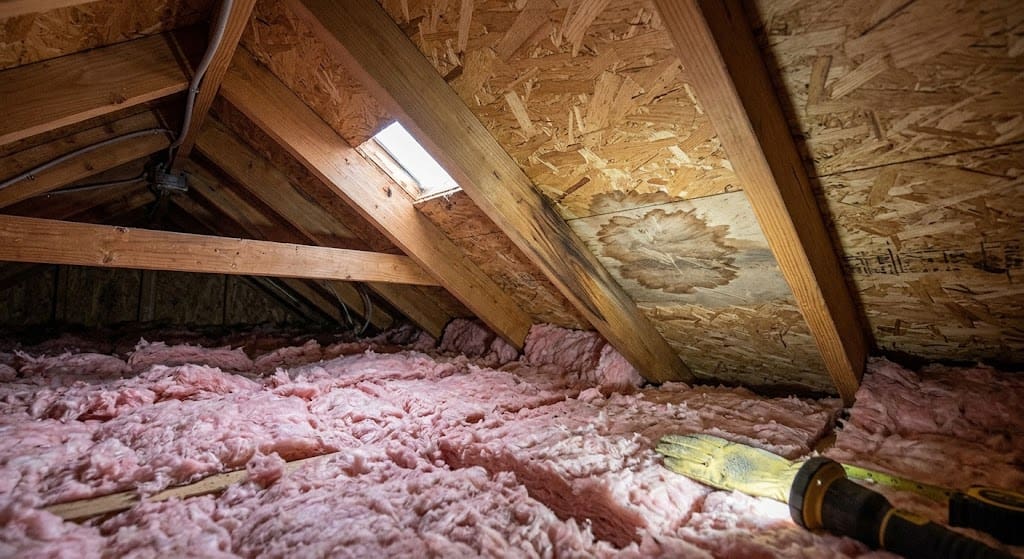
Some roof damage shows up inside the home before it becomes obvious outside. If the attic is safe to access, Atlanta homeowners should look for signs that moisture may already be entering the roof system.
Check for:
Damp insulation: Wet or compressed insulation may suggest moisture intrusion.
Dark stains on roof decking: Staining may show past or active water movement.
Rusted nails: Rust can indicate repeated attic humidity or condensation.
Musty odors: A damp smell may suggest moisture buildup.
Ceiling stains or bubbling paint: Interior marks may point to a roof or flashing issue.
Moisture signs can appear after a series of storms, especially if the roof was already vulnerable before summer began. Fall is a good time to catch these issues before seasonal rain makes them worse.
Limitation Note: Interior moisture signs can indicate a roof problem, but they do not always reveal the exact exterior source. Water may travel through framing, insulation, and drywall before becoming visible.
4. Don’t Wait Until Fall Storms Make the Problem Worse
One reason Atlanta homeowners should check for summer storm roof damage before fall is timing. Once seasonal rain picks up and leaves begin collecting in gutters, small roof issues can become harder to manage.
A lifted shingle, loose flashing detail, clogged valley, or blocked gutter may not seem urgent now, but it can become a leak later.
Early fall is often a practical time to inspect because:
Storm damage from summer is still recent: Homeowners may still remember the strongest storm events.
Roof access is often easier: It is better to check before colder, wetter weather makes inspection harder.
Gutters and drainage can be cleaned early: This helps reduce fall overflow and water backup.
Homeowners have time to plan repairs: Small issues can be handled before they become more urgent.
If your roof has not been checked recently, this is a good season to understand whether it needs maintenance, repair, or simply closer monitoring.
Limitation Note: Not every roof needs repair after summer storms. Some roofs may only need cleaning or monitoring, while others may need repair or storm damage documentation. The right next step depends on the actual roof condition.

Ridgeline Roofing & Restoration Service Areas
This article is especially relevant for homeowners in Atlanta, Marietta, Lawrenceville, Decatur, Sandy Springs, Roswell, Alpharetta, Smyrna, Brookhaven, Dunwoody, and nearby North Georgia communities.
Homes in these areas often experience strong summer storms, tree debris, humidity, heat exposure, and repeated rain that can gradually weaken roofing systems before fall arrives. Checking the roof before fall can help homeowners address small issues before they become larger seasonal problems.

Trusted External Roofing Resources for Homeowners
For external links, homeowners should rely on genuine third-party resources such as weather agencies, roofing industry guidance, manufacturer documentation, preparedness resources, and insurance education pages.
For thunderstorm and severe weather safety, homeowners can review the National Weather Service thunderstorm safety resource and Ready.gov severe weather guide.
For roofing industry guidance, homeowners can review educational resources from the National Roofing Contractors Association.
For manufacturer guidance on roof damage and storm-related roofing concerns, homeowners can review GAF roof damage resources and GAF storm damage resources.
For general insurance claim education, homeowners can review the National Association of Insurance Commissioners homeowners insurance resource.
Atlanta Homeowners Ask After Summer Storms

How can I tell if summer storms damaged my roof?
Look for missing shingles, lifted edges, granules in gutters, dented vents, flashing problems, attic moisture, and ceiling stains. Some storm damage is subtle and may not be visible from the ground.
Why should I inspect my roof in fall instead of waiting?
Fall gives homeowners a chance to identify roof problems before more seasonal rain, falling leaves, and cooler weather increase the stress on the roof system.
Can a roof have storm damage without leaking right away?
Yes. Storm damage can weaken shingles, flashing, gutters, vents, and other roof components without causing an immediate leak. Problems may show up later during future rain.
What should I check inside my home?
Look for attic moisture, damp insulation, dark roof decking stains, rusted nails, musty odors, ceiling stains, and bubbling paint.
Should Atlanta homeowners schedule a roof inspection after summer storms?
If your roof has been through repeated storms, hail, heavy rain, or fallen branches, a roof inspection can help clarify whether it needs repair, maintenance, storm documentation, or further monitoring.
Conclusion
Atlanta summer storm roof damage is not always easy to spot, but fall is a smart time to check before small issues become bigger roofing problems. Shingles, gutters, flashing, vents, attic moisture, and interior leak signs all deserve attention after a season of strong storms.
Homeowners do not need to assume the worst, but they also should not ignore warning signs that may have been left behind by wind, hail, debris, or repeated heavy rain. A careful inspection now can help reduce surprises later.
If you are unsure about the condition of your roof, learning more about a roof inspection in Atlanta this fall can help you decide what to do next.
FREQUENTLY ASKED QUESTIONS - ATLANTA SUMMER STORM ROOF DAMAGE
What can summer storms leave behind on a roof?
Summer storms can leave behind lifted shingles, missing shingles, granule loss, clogged gutters, dented vents, loose flashing, attic moisture, tree debris, and interior water stains.
How do I know if my roof has storm damage?
Visible signs may include missing shingles, shingle debris, granules in gutters, dents on vents or metal surfaces, ceiling stains, or debris in roof valleys. A professional inspection can confirm the extent of damage.