
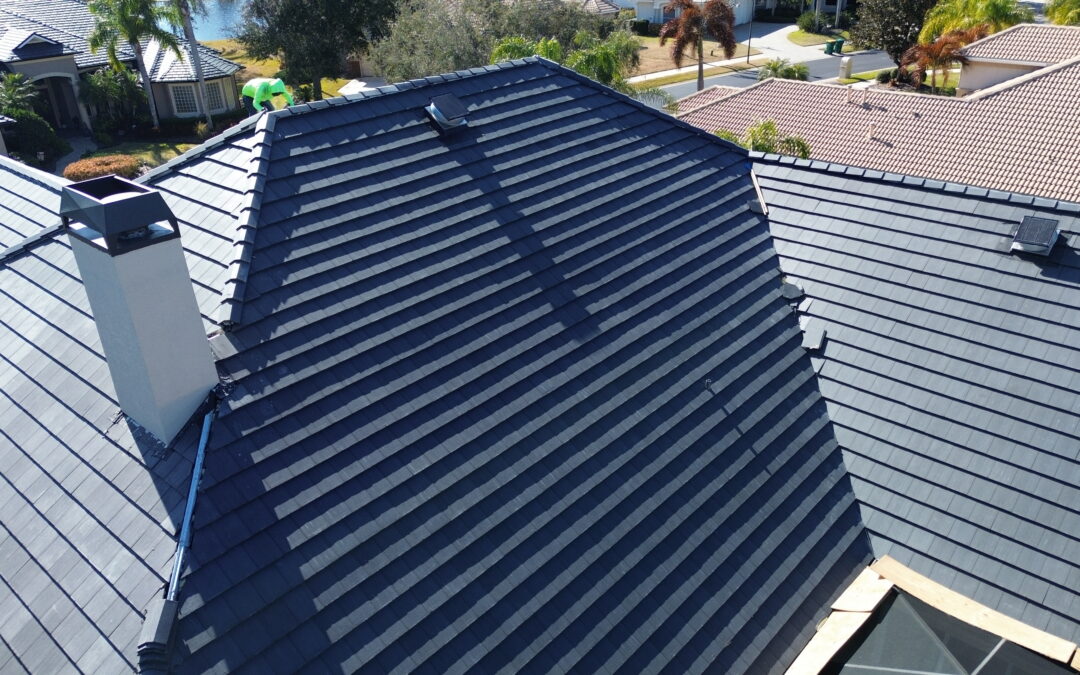
Hidden roof leaks in Gadsden, AL (commonly misspelled as “Gadsen”) often begin as tiny gaps at flashing or penetrations and escalate quickly in our storm-prone climate. Small, unseen drips turn into stains, warped wood, and mold before you notice a single drop. Catching problems early saves money, preserves indoor air quality, and reduces electrical and structural risks.
Top signs of hidden roof leaks in Gadsden, AL include yellow-brown ceiling stains, musty attic odors, peeling or blistered paint, shingle granules in gutters, curled or missing shingles, damp insulation, rusted nail tips in the attic, and dark drip tracks on roof decking. These warnings frequently follow intense downpours and wind-driven rain in Etowah County. Click here for a FREE online estimate!
- Inspect the attic after rain.
- Check flashing and pipe boots.
- Clear gutters and downspouts.
- Document stains and moisture.
- Test with a controlled hose.
- Tarp if safe and necessary.
- Call a licensed local roofer.
We offer roof leak detection Gadsden AL, emergency roof repair, storm damage roof inspection, chimney flashing repair, and pipe boot replacement to keep your home dry through every storm.
Causes: Local Climate and Building Factors in Etowah County
Gadsden sits along the Coosa River, where storm outflows bring wind-driven rain, hail, and straight-line winds that exploit weak points in roofing systems. Straight-line winds and microbursts in Etowah County drive rain laterally, forcing water beneath laps and flashing. The Coosa River corridor can funnel storm outflows across Gadsden, amplifying gusts and localized downpours.
The NOAA State Climate Summary for Alabama documents an increase in heavy precipitation events that overwhelm drainage and expose flashing defects. Heavier bursts test gutters and edge metal. High humidity raises the risk of attic moisture that mimics roof leaks.
Signs: Indoor and Outdoor Indicators You Shouldn’t Ignore
Think of a hidden roof leak like a slow oil leak in your car—you may not see the drip first, but the residue and smell give it away. Spot subtle clues early to mitigate damage and avoid mold from roof leaks.
Indoor signs
- Yellow-brown ceiling rings, blistering or peeling paint, and rippled drywall tape.
- Musty odors in closets or near exterior walls after storms.
- Bowed baseboards and swollen trim that sticks or warps following rainfall.
- Attic insulation that is clumpy, damp, compressed, or discolored.
- Rusted nail tips, dark drip tracks, or coffee-colored streaks on roof decking.
- Efflorescence on interior masonry near roof-to-wall intersections.
- Corrosion on HVAC ducts or boots in the attic caused by chronic moisture.
- Sagging drywall under rooflines and water-stained fasteners on truss plates.
Outdoor signs
- Excess shingle granules in gutters or at downspouts indicating accelerated wear.
- Curled, cracked, lifted, or missing shingles; hail damage shingles with bruising.
- Pipe boots with cracked rubber, loose clamps, or failed seals.
- Loose, misaligned, or corroded flashing at chimneys, skylights, and walls.
- Soft, spongy roof decking areas; step off and call a pro if you feel give.
- Streaks on siding beneath roof-to-wall transitions tied to missing kick-out flashing.
- Gutter backflow staining on fascia and blistered shingle surfaces from heat and age.
Trouble Spots in Alabama Roofs
- Kick-out flashing at roof-to-wall transitions: Missing or undersized kick-outs divert water behind siding, staining exterior cladding and interior walls below.
- Chimney step flashing and counterflashing: Cracked mortar or loose counterflashing lets water behind step flashing; sealant alone rarely solves poor installation. Consider professional chimney flashing repair.
- Valleys and dead valleys: Converging roof planes concentrate water flow; debris dams drive water under shingles and underlayment.
- Dormer sidewalls with improper step flashing: Short laps, missing end dams, or caulk-only fixes create recurring leaks.
- Ridge and box vents: Backed-out fasteners or failed baffles allow wind-driven rain into the attic.
- Skylight curb flashing: UV and sealant fatigue around curbs and head flashing make skylights frequent culprits.
- Satellite or solar mounts without proper flashing boots: Direct-to-deck screws or tapes alone are not durable; use flashed stanchions and compatible sealants.
- Exposed-fastener metal roofs: Aged neoprene washers and thermal movement loosen screws, creating hidden drips. Schedule pipe boot replacement when rubber cracks.
Diagnosis: Roof Leak Detection in Gadsden, AL
- Inspect the attic right after rain: Use a bright flashlight. Trace moisture uphill to the source; gravity and framing move water several feet.
- Check penetrations and transitions: Focus on pipe boots, bath fan exhausts, chimneys, valleys, and sidewalls.
- Use touch and smell: Cool, damp sheathing and musty odors indicate a leak or attic condensation problem.
- Hose test (two-person): Spray specific zones methodically while another person watches the attic.
- Keep flow low-to-moderate to mimic rainfall and avoid forcing water under laps.
- Progress from eaves to ridge and from lower to higher components, waiting 3–5 minutes between moves to localize the source.
- Avoid spraying directly into ridge or box vents; keep water flow natural.
- Moisture meter or infrared camera: Map damp areas in ceilings and walls. Moisture content above 16% in wood suggests active wetting; levels over 20% raise fungal growth risk.
Step-by-Step Attic Inspection
- Turn off attic lights and scan with a bright flashlight for sheen or drips.
- Trace water uphill along rafters and the underside of sheathing.
- Check around penetrations, valleys, and roof-to-wall intersections.
- Feel for cool, damp sheathing and wet insulation.
- Measure moisture content in wood and drywall.
- Mark suspect locations with painter’s tape for repair crews.
- Photograph findings for your records and insurance.
Leak vs. Condensation Diagnostic Checklist
- Bathroom fans vent to the exterior, not into the attic.
- Soffit vents stay open; baffles keep insulation from blocking intake.
- Ridge ventilation remains sufficient and balanced with intake.
- Indoor relative humidity stays between 30–50% (per EPA guidance on mold and moisture).
- Cold sheathing during snaps can create drip patterns that mimic leaks.
Real-World Example
A Gadsden homeowner notices a musty odor in a hallway closet after two summer storms. A faint yellow ring appears on the ceiling and the baseboard bows slightly. In the attic, the homeowner finds damp insulation near a sidewall and rusted nail tips. A roofer performs a hose test starting at the eave, then moves up the slope, waiting several minutes between zones. Water appears when spraying around a vent stack, revealing a cracked pipe boot. The crew performs a pipe boot replacement, re-flashes the area, and dries the attic with air movement and dehumidification. The stain appeared within 48 hours of the storms, and the attic dried within 72 hours using fans and a dehumidifier.
Immediate Actions for Emergency Roof Repair
- Protect people and property: move furniture, cover valuables, and place containers to capture drips.
- Electrical safety: shut off the circuit if water nears lights or outlets and call a licensed electrician.
- Document: take timestamped photos, short videos, and moisture meter readings.
- Mitigate: install a ridge-to-eave tarp if you can do so safely without walking steep, wet, or high roofs.
- Call a pro: request same-day emergency roof repair and a detailed roof leak detection report.
Costs & Insurance: What to Expect in Gadsden
Prices vary by roof material, slope, height, access, and the extent of damage. These typical ranges help set expectations for targeted roof leak repairs in Etowah County:
- Pipe boot replacement: $175–$450.
- Chimney re-flash (step flashing and counterflashing): $800–$2,000.
- Valley repair with self-adhered membrane: $450–$1,200.
- Roof deck patch (replace damaged sheathing): $300–$900.
- Skylight curb re-flash: $600–$1,500.
Multi-story homes, steep-slope roofs, and difficult access can add surcharges for safety setup and labor. City or county permits may be required, which adds fees and scheduling time.
Homeowners insurance often covers sudden and accidental damage from wind or hail, while long-term neglect or wear-and-tear is usually excluded. Wear-and-tear exclusions commonly apply to aged materials and maintenance issues such as failed sealant or deteriorated pipe boots. Document storm dates, keep timestamped photos, and record moisture readings to support your claim. Request code-compliant repairs with manufacturer-specified materials to preserve warranties and claim eligibility. For policy guidance, consult the Insurance Information Institute.
To reduce water intrusion from wind-driven rain, ask about the IBHS FORTIFIED roof standards. A sealed roof deck typically uses specialty tape or a self-adhered membrane over panel seams before underlayment. Enhanced drip edge or edge metal helps resist wind uplift at eaves and rakes during storms.
Prevention: Maintenance, Ventilation, and Upgrades
Quarterly maintenance checklist
- Clear gutters and downspouts to prevent overflow and backflow at fascia.
- Trim overhanging limbs that drop leaves into valleys and abrade shingles.
- Inspect the attic after heavy rain for damp insulation, darkened sheathing, or musty odors.
- Secure loose ridge cap nails; reseat or replace with ring-shank fasteners.
- Check fastener torque on exposed-fastener metal roofs; replace aging neoprene washers.
- Clean dryer and bathroom exhaust terminations; confirm flappers move freely.
- Remove debris from valleys and behind chimneys; ensure kick-out flashing outlets stay clear.
- Check flashing end dams at dormers and sidewalls for blockages and damage.
Ventilation and moisture control
- Keep soffit baffles clear to maintain intake airflow; balance intake and exhaust at roughly 1:1.
- Use a continuous ridge vent paired with unobstructed soffit intake, or balanced gable ventilation if ridge vents are impractical.
- Ensure bathroom and kitchen fans duct to the exterior with backdraft dampers.
- Use dehumidification to maintain indoor RH between 30–50% to limit attic moisture.
- Verify ridge vents, box vents, or gable vents remain unobstructed and properly flashed.
Upgrades that pay off in Gadsden’s storms
- Sealed roof deck per FORTIFIED guidelines using tape or a self-adhered membrane over panel seams before underlayment.
- Enhanced drip edge/edge metal and starter-strip improvements at eaves and rakes.
- High-quality underlayment and properly lapped flashing metals at valleys and penetrations.
- Impact-rated shingles or thicker metal panels to resist hail and uplift.
- Properly flashed solar and satellite mounts to prevent new leak points.
For hazard-mitigation best practices in high winds, review FEMA’s guidance on protecting homes from high winds. Across this article, references to NOAA’s Alabama climate summary indicate heavier downpours and more stress on flashing and drainage systems.
Related services
- Roof repair
- Storm damage roof inspection
- Gutter cleaning
- Chimney flashing repair
- Pipe boot replacement
- Mold remediation guide
Future Outlook: What North Alabama Homeowners Should Expect
Forecasts point to more frequent cloudbursts and stronger wind events in North Alabama, increasing the risk of wind-driven rain intrusions. Expect faster water movement across roofs and more stress on flashing and edge metal. Schedule pre-storm-season roof checks and consider impact-rated shingles or thicker metal panels to mitigate risk.
FAQs: Hidden Roof Leaks in Gadsden, AL
Will homeowners insurance cover a roof leak?
Insurance often covers sudden and accidental damage from wind or hail. It typically excludes long-term wear or neglected maintenance. Document with timestamped photos and moisture readings, and consult your insurer about coverage specifics.
How long can I wait to fix a leak?
Do not wait. Even a slow drip spreads, rots decking, and grows mold within days in warm, humid conditions. Mitigate immediately and schedule repair as soon as possible.
Should I patch with caulk or roof cement?
Use temporary sealants only as short-term mitigation. Durable repairs require correct flashing, compatible sealants, and component replacement as needed. For best practices, see NRCA consumer resources on proper flashing and roof repair.
Can Flex Seal or tape fix a leak long-term?
Sprays and tapes may slow a leak briefly but fail under sun, heat, and movement. Replace failed parts and install correct flashing for a lasting repair.
What ventilation fixes stop condensation drips?
Open soffit intakes, balance intake and ridge exhaust, and duct bathroom fans to the exterior with backdraft dampers. Maintain 30–50% indoor RH and improve attic air movement to reduce condensation.
How can I tell if a stain is active?
Outline the stain with pencil, then recheck after rain. If it grows, you likely have an active leak. Confirm in the attic and schedule leak detection.
Do I need a full roof replacement for a small leak?
Usually not. Many leaks resolve with targeted repairs such as pipe boot replacement, re-flashing, or valley underlayment upgrades. A professional inspection determines scope.
What is roof leak detection and how long does it take?
Leak detection combines an attic inspection, exterior assessment, and selective water testing to trace the source. Most visits take 60–120 minutes depending on roof complexity and weather.
What if the leak only happens during wind-driven rain?
Wind pushes rain sideways into vulnerable interfaces like roof-to-wall flashing, ridge or box vents, and poorly sealed laps. Focus diagnostics on these transitions and repeat hose tests with low-to-moderate flow from the prevailing wind direction.
Do metal roofs leak differently than shingle roofs?
Yes. Metal roofs tend to leak at fasteners, panel seams, and flashing interfaces when washers age or screws back out. Regularly check fastener torque, replace degraded washers, and verify flashing details at penetrations and sidewalls.
Accessibility note: Avoid roof walking. Seek professional help for steep, wet, or high roofs.
Schedule Roof Leak Detection in Gadsden, AL
Contact us today for roof leak detection, emergency roof repair, and storm damage roof inspection. Ask for photo documentation with your estimate and before/after photos.
Summary: Early detection of hidden roof leaks in Gadsden prevents structural, mold, and electrical damage—schedule an inspection today.