
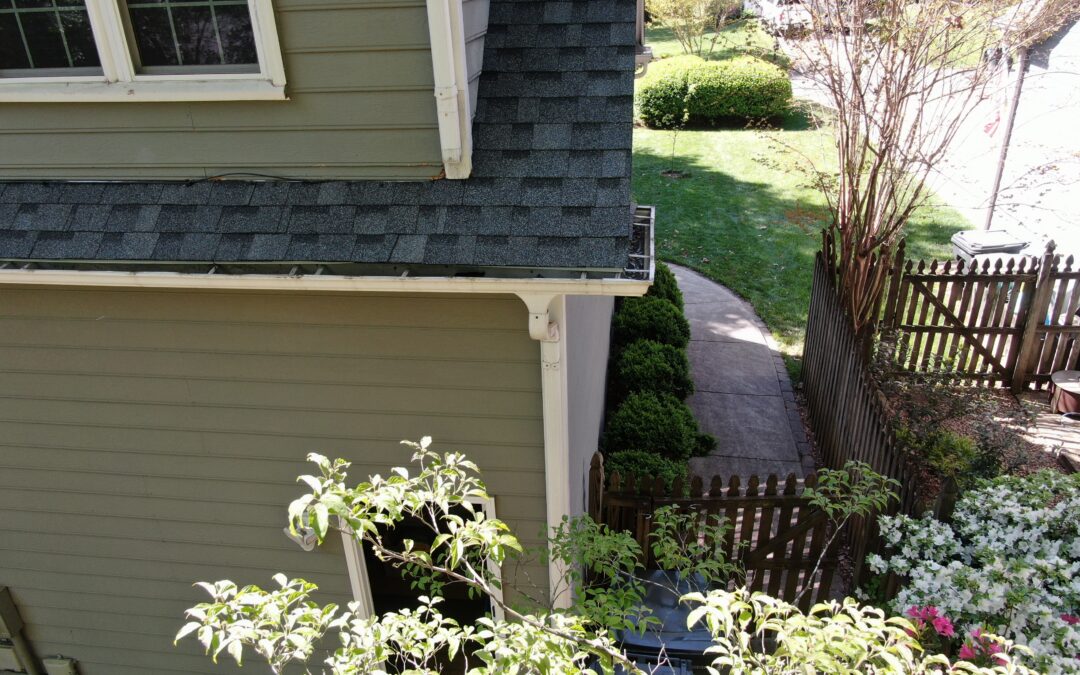
What are the top siding trends for modern and traditional homes this year? 1) Fiber cement (durability), 2) Engineered wood (warmth), 3) Insulated siding/CI (efficiency), 4) Board-and-batten (vertical), 5) Mixed materials (accents), 6) Metal (noncombustible), 7) High-contrast colors, 8) Prefinished, 9) Rainscreens (drain), 10) Roof-siding integration (flashings).
Looking for the top siding trends that balance style, durability, and efficiency across modern siding and traditional home siding? This year’s leaders include fiber cement siding, vinyl siding, board-and-batten profiles, and mixed-material facades that pair stone or metal accents with crisp lap or panel looks. Trends emphasize energy-efficient siding assemblies—continuous insulation (CI), a weather-resistive barrier (WRB), and rainscreens—plus better roof-siding flashing. Expect high-contrast color palettes, prefinished finishes, and resilient choices like metal in coastal and wildfire zones. Think of your exterior like a tailored suit—the roof and siding must fit together perfectly so the whole outfit looks sharp and performs flawlessly.
Top Siding Trends This Year (modern siding design and best siding for traditional homes)
- Fiber cement siding: A leading low-maintenance siding with refined wood-look textures, strong fire resistance, and excellent dimensional stability. It adapts to modern panels or traditional lap and shingle profiles.
- Engineered wood: Warm, authentic grain with advanced binders and durable factory finishes. It installs quickly and retains classic curb appeal.
- Insulated siding and CI: Vinyl-backed insulation and continuous insulation reduce thermal bridging and improve comfort and code compliance. Pair with a ventilated rainscreen for best performance.
- Metal siding: Crisp contemporary lines and noncombustibility make steel and aluminum commonly specified for wildfire zones and coastal areas. Use appropriate coatings and fasteners.
- Board-and-batten: Vertical emphasis elongates facades and complements modern farmhouse aesthetics. It can also add rhythm to traditional elevations.
- Mixed materials: Stone or brick at splash zones with fiber cement or metal above. This approach elevates durability and design contrast.
- High-contrast colors: Dark bodies with light trim—or the reverse—highlight architectural details. These schemes amplify trim contrast and curb appeal.
- Prefinished finishes: Factory-applied coatings offer color consistency, faster installs, and longer repaint cycles than field-applied paint.
- Rainscreen assemblies: A drained, ventilated gap behind cladding improves drying and longevity. It’s ideal in wet or mixed-humid climates.
- Roof-siding integration: Robust kickouts, step/counterflashing, and WRB continuity at headwall and sidewall transitions reduce leaks and storm damage.
Why These Siding Trends Matter for Energy, Durability, and ROI
Exteriors perform best as systems: siding, WRB, CI, rainscreen ventilation, and the roof’s flashing, gutters, and underlayment. When these layers align, walls dry quickly, air leakage drops, and finishes last longer.
For resale, national averages in the 2024 Remodeling Cost vs. Value report show fiber-cement averages ~88.5% and vinyl averages ~80.2% nationally (local results vary). Confirm your market’s data in the 2024 Remodeling Cost vs. Value report on siding ROI.
Eco-Friendly and Sustainable Siding Options (energy-efficient siding)
Sustainability now influences material selection as much as style. Metal siding typically contains high recycled content and is recyclable at end of life. Engineered wood leverages fast-growing fiber and factory finishes that reduce jobsite waste and repaint frequency.
Fiber cement’s longevity and compatibility with rainscreens reduce replacement cycles. Choose wood siding with FSC certification for verified responsible forestry. For dark modern palettes, advanced cool-pigment technology reflects more solar energy and helps reduce surface temperature on sun-exposed elevations (U.S. Department of Energy – Cool roofs and reflective pigments).
Prioritize low-VOC factory finishes to limit off-gassing during and after installation, particularly near living spaces (EPA – Volatile Organic Compounds and Indoor Air Quality). Add circularity to your criteria: review Environmental Product Declarations (EPDs), ask about take-back or recycling programs for metal and vinyl offcuts, and verify FSC chain-of-custody for wood.
Some metal panel manufacturers offer coil-scrap take-back and packaging recycling to reduce waste streams. The biggest performance gains often come from the wall assembly itself: adding CI and a ventilated rainscreen (a continuous drainage/air gap) improves drying and thermal performance across all cladding types (DOE Building America Solution Center – Continuous Insulation guide).
Maintenance and Lifespan by Material (low-maintenance siding)
- Vinyl siding: Minimal maintenance; rinse annually with mild detergent. No painting needed. Typical service life 25–40+ years depending on grade and UV exposure. Many manufacturers offer limited lifetime material warranties; insulated options improve comfort and impact resistance (Vinyl Siding Institute – Insulated siding performance).
- Fiber cement: Noncombustible and dimensionally stable. Factory finishes can carry 15–30 year finish warranties; field-painted surfaces may need repainting every 10–15 years. Typical service life 30–50+ years with rainscreen and proper clearances.
- Engineered wood: Durable prefinishes reduce repaint frequency; inspect joints and trims annually. Warranties commonly include 25–50 years on substrate and 15–30 years on finish. Typical service life 25–40 years with correct clearances and a drained cavity.
- Metal (steel/aluminum): Very low maintenance; rinse seasonally. Specify coastal-grade coatings and stainless or hot-dipped galvanized fasteners near salt spray. Service life often 40–60+ years; finish warranties vary by system and coating.
- Wood shingles/shakes: Highest maintenance; recoat or stain every 3–7 years by exposure. Use a rainscreen and generous roof overhangs. Typical service life 20–30+ years with vigilant upkeep; confirm fire-rating and local code allowances.
Best-practice maintenance includes an annual soft wash, a spring and fall inspection of joints and sealants, and touch-up of factory finishes per manufacturer guidelines. Expect factory finishes to extend repaint intervals versus field-applied coatings. Substrate warranties often require documented maintenance to remain valid—keep a log with dates, products used, and installer receipts.
Durability depends on details: a ventilated rainscreen, robust headwall and sidewall flashing, correct WRB laps, and manufacturer-specified clearances above grade and roofing.
Installation Timeline, Permits, and Sequencing with Roofing (modern siding design)
Expect permits to take 1–3 weeks in many municipalities, plus HOA approvals where applicable. Prefinished colors often require 2–6+ weeks of lead time; order samples early to avoid delays. Most flashing tapes and sealants apply best above roughly 40°F—confirm data sheets for temperature and substrate requirements.
Many jurisdictions require a WRB and flashing inspection before cladding proceeds, and tapes or sealants should not be applied in rain or on wet substrates. Ideal sequencing when roofing is included: 1) Complete roof dry-in and plan headwall/sidewall flashings; 2) Install WRB, CI, and rainscreen with kickouts and counterflashing; 3) Set siding and trim; 4) Finish roofing edges, gutters, and downspouts. If you’re replacing the roof, align dates with your roof replacement schedule to ensure correct flashing and WRB integration.
Regional Style Guide (siding color trends by region)
- Northeast
- Profiles: Shingle and beaded lap in fiber cement or engineered wood.
- Colors/textures: Deep blues and greens with white trim and subtle woodgrains.
- Climate note: Emphasize snow-shedding roof details, kickouts, and ventilated rainscreens.
- South
- Profiles: Board-and-batten accents with classic lap fields.
- Colors/textures: High-contrast palettes and light roofs to manage heat.
- Climate note: Wind-rated fastening schedules and impact-resistant assemblies for storm seasons.
- Midwest
- Profiles: Durable lap and panel siding with robust trim.
- Colors/textures: Neutral and mid-tone palettes that handle freeze-thaw cycling.
- Climate note: Rainscreen plus ice-dam-aware roof and gutter design.
- Mountain West
- Profiles: Fiber cement lap or panel with metal accents.
- Colors/textures: Warm earth tones and subtle woodgrains.
- Climate note: Confirm noncombustible cladding and boxed-in soffits per CalFire – Wildfire Home Hardening and local WUI codes.
- Pacific Northwest
- Profiles: Wood-look fiber cement or engineered wood.
- Colors/textures: Natural palettes with moss-resistant roof colors.
- Climate note: Rainscreen is essential for drying in frequent rain; select moisture-tolerant trims.
- Coastal
- Profiles: Metal or fiber cement with clean trims.
- Colors/textures: Light-to-mid tones to reduce glare and heat.
- Climate note: Follow manufacturer fastener/coating specs for salt-spray exposure per the FEMA Coastal Construction Manual.
Costs and ROI: What to Expect (energy-efficient siding, ROI)
Installed costs vary by material, story count, and elevation complexity. According to national 2024 Cost vs. Value data, fiber-cement siding replacement averages about 88.5% resale recoup and vinyl siding averages about 80.2% (local results vary). Verify city-specific figures in the 2024 Cost vs. Value report.
Common Mistakes to Avoid (low-maintenance siding best practices)
- Missing kickout flashing at roof-to-wall transitions allows bulk water behind siding.
- Insufficient clearances: maintain 1–2 inches above roofing and 6–8 inches above grade or per manufacturer.
- Skipping a rainscreen gap in wet or mixed-humid climates traps moisture behind cladding.
- Using incompatible fasteners or coatings in coastal zones accelerates corrosion.
- Painting very dark, low-LRV colors on sunny elevations without reflective pigments can cause coating failure.
- Misaligned WRB laps and flashing at headwalls and sidewalls create capillary leak paths.
- Not coordinating siding thickness changes with window or trim flashings creates water traps.
- Undersized gutters and downspouts increase splashback—see our gutter installation options for sizing and guard strategies.
Color Trends to Watch (siding color trends)
- Deep neutrals: Charcoal, black, midnight blue, and olive paired with light trim for contrast.
- Warm whites and creams: Soften modern lines and complement stone or cedar-look accents.
- Nature-inspired mid-tones: Clay, sand, and taupe anchor traditional forms.
LRV (light reflectance value) runs from 0 (black) to 100 (white) and indicates how much light a color reflects. In high-sun regions, favor mid-to-higher LRV or reflective-pigment finishes; in snowy climates, mid-tones reduce glare while maintaining definition against roof and trim.
Roofing-Siding Integration Checklist (roof-siding integration)
- Kickout flashing: Install at every roof end-wall to divert water into gutters.
- WRB continuity: Shingle-lap WRB over step and counterflashing and integrate with roof underlayment at headwalls. For vinyl-specific clearances and fasteners, see the VSI Vinyl Siding Installation Manual – clearance and fastening.
- Headwall details:
- Continuous headwall flashing behind siding and over roof underlayment.
- Maintain 1–2 inches of siding clearance above shingles; use Z-flashing where specified.
- Sidewall details:
- Properly lapped step flashing with counterflashing and WRB—avoid face-seal-only methods.
- Preserve the rainscreen gap with perforated trim or vent strips.
- Valley adjacency:
- Keep cladding and trim clear of splash zones; consider stone or metal wainscot at bases.
- Upsize gutters and downspouts near valleys to limit wall wetting.
- Clearances and fastening: Typical minimums are 6–8 inches above grade, 1–2 inches above roofs, and 1/4–1/2 inch above flashings and hardscapes. Confirm best practices in the James Hardie Best Practices Installation Guide for fiber-cement clearances and the VSI Vinyl Siding Installation Manual – clearance and fastening.
Case Study: Modern vs. Traditional—Before and After
A 1990s stucco-front modern home moved to smooth fiber-cement panels with express joints and a matte black standing-seam roof; we added CI and a ventilated rainscreen to cut thermal bridging and speed drying. The palette changed from beige to deep charcoal with cedar-look accents. A 1940s Colonial replaced aging aluminum with beaded lap fiber-cement and staggered-edge shingle gables, pairing a mid-tone blue body with white trim and architectural shingles; kickouts and headwall flashing corrected chronic leaks. Results modeled against national CVV benchmarks for fiber cement (about 88.5% average; typical metro range ~85–91%) and vinyl (about 80.2% average; typical metro range ~80–86%). Local results vary—verify your city’s report.
Future Outlook (modern and traditional homes)
Expect broader adoption of resilience-aligned details—kickouts, robust headwall flashing, and continuous drainage planes—even outside hurricane zones, guided by insurer-backed standards like IBHS FORTIFIED Home. Bio-based resins and lower-carbon binders in engineered products will expand as manufacturers reduce embodied carbon without sacrificing durability.
Reflective pigment chemistries will enable darker palettes in hot-sun regions with lower surface temperatures. AI-powered visualization tools will grow, letting homeowners test siding and roof combinations under realistic daylight and neighborhood contexts. Mass-custom prefabricated panels—factory cut, prefinished, and pre-flashed—will compress timelines and minimize weather risk on site.
FAQs (best siding for traditional homes and modern siding design)
How much does siding replacement cost per square foot by material?
Typical installed ranges vary by region and complexity: vinyl about $5–$10/sq. ft.; fiber cement $8–$15; engineered wood $8–$14; metal $10–$20+; wood shingles $12–$22+. Request line items for WRB, CI, rainscreen, and flashing. For resale benchmarks, consult the 2024 Remodeling Cost vs. Value report on siding ROI.
Can you install new siding over old siding?
Sometimes. You must verify fastening capacity, plane out irregularities, and meet code. Best practice is to remove old cladding to inspect sheathing, correct flashing, and add WRB, CI, and a rainscreen gap for drying. Manufacturer guides and local officials can confirm acceptable approaches.
Which siding holds paint color best in sunny climates?
Factory-finished fiber cement and metal panels typically outperform field-painted wood due to controlled curing and resin systems. For dark colors, choose finishes with UV inhibitors and reflective pigments to mitigate heat buildup (U.S. DOE – Cool roofs and reflective pigments).
Do FORTIFIED details lower insurance premiums?
In some markets, yes. Insurers may offer discounts for documented FORTIFIED upgrades that reduce wind and water losses; benefits vary by carrier and state. Review the IBHS FORTIFIED Home program and ask your insurer about incentives.
Where can I find guidance for resilient retrofits and regional best practices?
See the FEMA Building Science library and the NAHB – Emergency Preparedness and Resilience resources for retrofit and region-specific recommendations.
Methodology and Sources
Time horizon: current year. Insights combine national cost-vs.-value data, manufacturer installation guides, DOE/EPA building-science resources, and insurer/code standards. These reflect how designers and contractors specify siding across U.S. climates.
- 2024 Remodeling Cost vs. Value report on siding ROI
- IBHS FORTIFIED Home – resilience standards
- Vinyl Siding Institute – insulated siding performance
- DOE Building America Solution Center – continuous insulation guide
- U.S. DOE – cool roofs and reflective pigments
- EPA – VOCs and indoor air quality
- James Hardie – fiber-cement best practices installation
- VSI Vinyl Siding Installation Manual – clearance and fastening
- FEMA Coastal Construction Manual – coastal best practices
- CalFire – Wildfire Home Hardening
Internal Resources
- Explore professional roof replacement planning and materials
- See gutter installation options for better water management
- Learn about exterior painting systems and color consultations
Glossary of Siding Terms
- WRB (weather-resistive barrier): Water-shedding layer behind siding that manages bulk water and air.
- CI (continuous insulation): Exterior insulation layer that reduces thermal bridging through studs.
- Rainscreen: Drained, ventilated gap behind siding that promotes drying.
- Kickout flashing: Diverter flashing at the bottom of a roof-to-wall intersection that directs water into the gutter.
- Headwall flashing: Horizontal flashing where a sloped roof meets a vertical wall.
- Express joint: Deliberate, visible panel joint used in modern panel systems for expansion control and clean lines.
Ready to compare materials, colors, and ROI for your home? Schedule a combined siding and roofing assessment today. We’ll provide a written scope, material samples, and color visualization—plus sequencing that integrates WRB, CI, rainscreen, and roof flashing for lasting performance.