
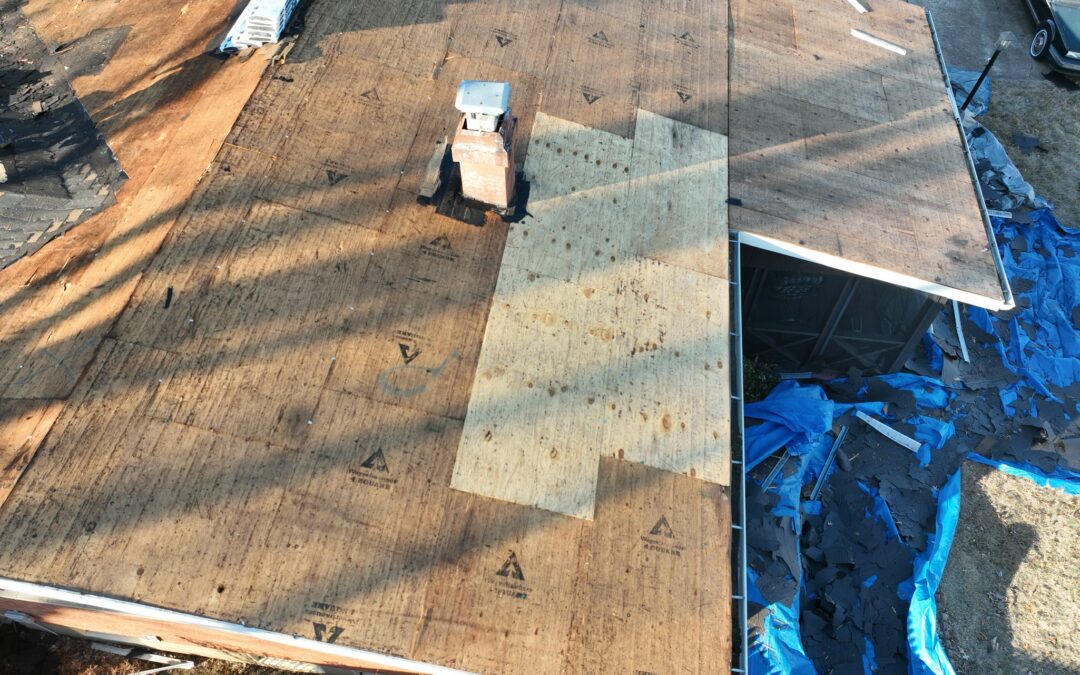
Key takeaway: The most durable roofing materials for heat and humidity are standing seam aluminum/galvalume with PVDF (high reflectance and corrosion resistance), clay or concrete tile (storm-tough, heat shedding), slate (ultra-long life, low water absorption), and PVC/TPO for low-slope roofs (cool surfaces with welded seams for watertight durability).
If you live along the Gulf Coast, the Mid-Atlantic, or anywhere summer sticks like a wet blanket, your roof takes a beating. Choosing truly durable roofing materials for hot, humid climates isn’t just about style—it’s about longevity, energy savings, algae resistance, and a calm, dry interior during storm season.
The right specification turns a vulnerable assembly into a decades-long asset while keeping cooling loads and maintenance in check. The guidance below summarizes the best roofing for hot, humid climates, with practical specs, costs, and maintenance considerations.
Quick Answer: Best Roofing Materials for Heat and Humidity
The most durable roofing materials for hot, humid climates are standing seam aluminum or galvalume with PVDF, clay or concrete tile, slate (natural or engineered), and PVC or TPO membranes for low-slope roofs.
- Standing seam metal (aluminum/galvalume + PVDF): Exceptional lifespan, reflective coatings, corrosion resistance.
- Clay & concrete tile: Thick, heat-shedding, storm-tough with proper fastening.
- Natural & engineered slate: Ultra-durable, low water absorption; heavy but long-lived.
- PVC/TPO membranes (low-slope): Welded seams, high reflectance, good ponding resistance (PVC).
- High-performance asphalt shingles: Class 4 impact, algae-resistant, cool-roof rated SKUs for budget-sensitive projects.
Want specifics on care and longevity next? Jump to the Maintenance Checklist or browse common questions in the FAQ.
On this page
- Standing seam metal roofing
- Clay and concrete tile
- Natural and engineered slate
- PVC and TPO single-ply (low-slope)
- High-performance asphalt shingles
- What to avoid in humid heat
- Ventilation, insulation, and air sealing
- Reflective colors and cool roofs
- Regional notes for the U.S.
- Maintenance checklist
- FAQs
- Analogy
- Forecast
- How to decide
Why Heat + Humidity Beat Up Roofs
Hot, humid environments present a unique mix of hazards. Ultraviolet radiation breaks down organic binders. Thermal expansion and contraction stress fasteners and seams. Moisture finds weak points, leading to condensation, mold, and rot. Salt air accelerates corrosion near coasts. Wind-driven rain tests uplift resistance.
In short, the wrong roof material in a humid climate ages like milk in the sun. Selecting assemblies that resist UV, shed water, limit moisture absorption, and tolerate thermal movement is essential for durability and comfort.
What “durable” means in hot-humid regions
- High solar reflectance and SRI: A cooler surface temperature reduces thermal stress and air conditioning (AC) demand.
- Low water absorption: Materials that don’t soak up water resist micro-cracks and microbial growth.
- Corrosion resistance: Critical within 20–30 miles of the coast; choose aluminum, copper, zinc, or galvalume with robust coatings.
- Wind and impact ratings: Miami-Dade NOA, ASTM/UL standards, or IBHS FORTIFIED Roof compliance for storm-prone areas.
- Maintainable assemblies: Proper ventilation, high-temp underlayments, and stainless fasteners extend life.
1) Standing Seam Metal Roofing (Aluminum or Galvalume Steel)
Standing seam metal is a heavyweight contender in hot, humid regions and one of the best roofing options for coastal roofing materials. Panels lock together with raised seams, minimizing exposed fasteners and leak paths.
Choose aluminum for coastal, salt-air environments and galvalume steel inland; finish with a PVDF (Kynar 500) finish for fade resistance and cool-roof color options.
Within roughly three miles of open saltwater, aluminum generally outperforms steel against corrosion.
Marine-grade aluminum alloys in the 5xxx series (e.g., 5052, 5083) provide excellent resistance, especially when combined with sealed edges and hemmed edges to protect cut lines. For inland projects with minimal salt, galvalume steel delivers strong value and long-term performance.
Profile choice is critical for hurricane wind ratings and uplift performance. Taller, mechanically seamed profiles with clip systems and optimized clip spacing can achieve higher wind uplift ratings than nail-down snap-lock profiles. Where design allows, choose mechanically seamed panels tested to local code requirements and consider continuous clips to distribute loads.
In short comparisons of galvalume vs aluminum, aluminum excels in marine exposure while galvalume often wins on cost and stiffness inland; always balance corrosion risk, panel thickness, and finish quality.
- Pros: 40–70+ year service life; excellent wind uplift; high-reflectance colors; low maintenance; great for solar mounting.
- Cons: Higher upfront cost; requires skilled installers; potential cosmetic oil-canning.
- Best for: Coasts, storm zones, and anywhere AC bills soar in summer; strong choice for best roofing for hot, humid climates.
- Specs to insist on: PVDF finish; stainless or coated fasteners; high-temperature underlayment; appropriate clip spacing for thermal movement; anti-condensation layer or vented assembly where needed; verify Miami-Dade NOA or Florida Product Approval for panels, clips, fasteners, and edge metal in coastal/hurricane regions and verify UL 1897/FM 4474 uplift testing for the specified panel profile where applicable.
- Specs to insist on (thickness & thermal breaks): Steel 24–26 gauge or aluminum 0.032–0.040 inch in hurricane-prone zones (avoid 29 ga. in high-wind regions); specify fastening patterns validated for corner, perimeter, and field zones; consider a vented nail base or thermal break and an anti-condensation fleece in high indoor humidity applications to reduce dew point risks.
- Typical installed cost: $9–$16 per sq. ft., depending on profile, metal, and market. Pricing varies by market, profile, and substrate conditions.
Extend longevity by detailing eaves and rakes with hemmed edges, using stainless clips/fasteners within coastal zones, and adding continuous underlayment laps at ridges and fully sealed transitions at valleys. Where solar is planned, specify rail systems or direct-to-seam clamps that don’t penetrate panels and verify allowable loads and attachment spacing with the panel manufacturer.
See coastal performance guidance from the Metal Construction Association: Metal Construction Association (MCA) Resources.
2) Clay and Concrete Tile
Tile roofs excel at shedding heat and heavy rain.
Clay tile is dense, naturally colorfast, and highly resistant to UV and salt. Concrete tile offers similar benefits at a lower cost, with available reflective coatings. In hot, humid climates, proper fastening, underlayment, and ventilation prevent trapped moisture and uplift issues.
Typical water absorption for high-quality clay tile can be very low (often under 6%), while concrete tile tends to have higher absorption, which increases weight when saturated and may influence underlayment choices and ventilation needs. Clay absorption often ranges lower than concrete, which helps with moisture management and long-term color stability.
UV durability is excellent in both categories, with clay maintaining color through-body and concrete benefiting from improved surface coatings. In high-UV markets, periodic resealing of some concrete tile coatings may be advisable to preserve appearance and reduce water absorption.
Note that underlayment is a serviceable component—expect replacement cycles around 20–30 years in hot climates even when tiles last 50+ years; planning for underlayment replacement access is part of a durable spec. For coastal projects, select corrosion-resistant flashings and ensure headlap meets manufacturer and code requirements for wind-driven rain.
- Pros: Long service life (50+ years for clay); excellent fire resistance; high wind resistance with correct attachment; thermal mass moderates temperature swings.
- Cons: Heavy—structure must be engineered; breakage risk from impacts; meticulous flashing details around hips and valleys.
- Best for: Florida, Gulf Coast, and coastal designs in humid zones with strong sun.
- Specs to insist on: Miami-Dade NOA (where applicable); stainless or hot-dipped galvanized hardware; breathable, high-temp underlayment; weep screeds and ventilation pathways beneath tiles; foam adhesives or stainless screws/clips meeting Miami-Dade approvals for high-wind uplift resistance.
- Typical installed cost: $12–$20+ per sq. ft. depending on tile type and framing needs. Pricing varies by market, profile, and substrate conditions.
See tile best practices via the Tile Roofing Industry (TRI) Alliance.
3) Natural Slate and Engineered Slate
Natural slate is among the most durable roofing materials on earth, with minimal water absorption and superb UV resistance. For long-term performance in hot-humid exposure, specify ASTM C406 S1 slate (highest grade) with proven quarry sources. Engineered (composite) slate delivers the look at lower weight and cost, often using UV stabilizers and impact modifiers for storm resistance.
Quality flashings make or break slate assemblies: copper or stainless steel flashings and valleys paired with stainless nails are the standard for longevity near coasts. Many composite slates carry Class 4 impact ratings and incorporate UV inhibitors to withstand intense sun, making them a pragmatic alternative where structural loads are constrained yet hurricane wind ratings and algae resistance still matter.
- Pros: 75–100+ years for quality slate; low maintenance; class-leading fire resistance; timeless curb appeal.
- Cons: Highest installed cost for natural slate; structural support required; skilled craftsmanship essential.
- Best for: Historic districts and premium residences seeking multi-generation performance in humid regions.
- Specs to insist on: Stainless steel nails; copper or stainless flashings; breathable underlayments; underlayment permeability targets around 0.1–0.3 perms for synthetic field layers plus self-adhered membranes at eaves and valleys for drying potential and ice/water protection.
- Typical installed cost: Natural $20–$40+ per sq. ft.; engineered $8–$16 per sq. ft. Pricing varies by market, profile, and substrate conditions.
Technical resources: Slate Roofing Contractors Association (SRCA).
4) PVC and TPO Single-Ply (Low-Slope/Flat Roofs)
For low-slope roofs common on porches, garages, and commercial buildings, PVC and TPO membranes are mainstays—and central to any PVC vs TPO comparison in hot, humid climates. They’re heat-welded at seams, creating a continuous, watertight surface. White membranes provide high solar reflectance and help keep interiors cooler.
PVC typically performs better against ponding water and chemicals; KEE-modified PVC formulations improve long-term plasticizer retention and flexibility under heat. TPO offers strong welds and robust reinforcement in many brands, with evolution in UV stabilization improving longevity. In hail or high-traffic areas, add a high-density cover board to protect insulation and membrane from point loads and punctures.
- Pros: High reflectance; relatively light weight; rapid installation; compatible with tapered insulation for drainage.
- Cons: Vulnerable to grease or certain chemicals (TPO more so); requires professional welding; puncture protection needed in high-traffic areas.
- Best for: Low-slope roofs in hot-humid regions where reflective membranes reduce cooling loads and moisture stress.
- Specs to insist on: 60–80 mil reinforced membranes; mechanically attached or fully adhered systems per wind zone and substrate; require ANSI/SPRI ES-1 tested edge metal and perimeter/corner fastening patterns designed per ASCE 7-16/7-22 or use manufacturer FM-rated assemblies for local wind zones; specify ANSI/SPRI ES-2 tested gutters when gutters are used; use walk pads near equipment and specify robust edge metal for uplift.
- Typical installed cost: $5–$10 per sq. ft., varying by thickness and attachment method. Pricing varies by market, profile, and substrate conditions.
For verified reflectance/emittance values, see the Cool Roof Rating Council (CRRC) Directory. Technical standards and best practices are available via the National Roofing Contractors Association (NRCA).
5) High-Performance Asphalt Shingles (with Cool and Algae-Resistant Options)
While traditional asphalt isn’t king in extreme heat, today’s architectural shingles have improved dramatically and remain a common, budget-friendly choice. Look for algae-resistant shingles and cool roof ratings with reflective granules to mitigate heat absorption. Upgraded shingles with Class 4 impact ratings, better sealants, and reinforced nailing zones handle turbulent summer storms better than basic three-tabs.
For heat resilience, polymer-modified (SBS) shingles enhance flexibility and granule retention under high UV and elevated deck temperatures. Copper-containing AR granules resist blue-green algae staining, with many manufacturers offering 10–20 year AR warranties in humid markets. In storm-prone regions, Class 3 or Class 4 impact-rated shingles can reduce hail damage and may qualify for insurance credits—pair with enhanced sealing strips and correct nailing patterns for high winds.
- Pros: Moderate cost; broad availability; strong warranties on premium lines; cool-color granules reduce surface temps.
- Cons: Shorter lifespan than metal, tile, or slate; more heat-sensitive; granule loss over time.
- Best for: Budget-conscious projects in humid regions that still want better heat performance.
- Specs to insist on: Algae-resistant shingles (e.g., copper-containing granules); cool roof rating where available; enhanced nailing zones; high-wind fastening patterns; wind ratings of ASTM D3161 Class F or ASTM D7158 Class H for humid, stormy climates.
- Typical installed cost: $4–$7 per sq. ft. for premium architectural shingles. Pricing varies by market, profile, and substrate conditions.
Homeowner tip: Use ridge and hip caps rated to the same wind classification as the field shingles to maintain warranty and storm performance integrity.
Technical resources: Asphalt Roofing Manufacturers Association (ARMA).
What to Avoid in Humid Heat
- Bare galvanized steel or low-grade coatings near coasts—opt for aluminum, copper, zinc, or PVDF-coated galvalume.
- Low-slope applications with shingles—use single-ply membranes or metal designed for the slope.
- Unvented attics without vapor control—control air and vapor or use conditioned unvented assemblies per code.
- Dark, non-reflective roofs in full sun—prefer cool pigments or light colors to cut heat gain.
- Incompatible fasteners or dissimilar metals—avoid galvanic corrosion with stainless/copper in coastal assemblies.
What to Pair with Any Roof in Heat & Humidity
Ventilation, Insulation, and Air Sealing
In humid climates, good roof durability starts below the shingles or panels. Ensure balanced intake and exhaust ventilation (soffit + ridge or equivalent) to reduce attic heat and moisture. Combine with sealed ductwork, air-sealed ceiling penetrations, and appropriate insulation to prevent condensation on the underside of the roof deck.
Target NFA ratios of 1:150 (net free area) or 1:300 when a balanced system is verified, with roughly half at intake and half at exhaust. Install soffit baffles to prevent wind-washing of insulation and seal all penetrations so humid interior air doesn’t short-circuit into the attic.
Underlayments and Flashings
Moisture finds the weak links—strengthen them. Use high-temperature self-adhered membranes in valleys, eaves, and around penetrations—critical under metal and tile in hot regions. Pair with synthetic field underlayment with an appropriate low perm rating (about 0.1–0.3 perms) and ensure ventilation provides drying while resisting wind-driven rain.
Prefer high-temp SBS-modified ice-and-water membranes at eaves and valleys and synthetic field underlayments with low perm ratings (about 0.1–0.3 perms). In hurricane zones, consider a full-coverage self-adhered layer for a sealed roof deck that resists water intrusion during shingle or tile loss.
Reflective Colors and Cool Roofs
Light colors and cool-roof coatings can drop roof surface temperatures by dozens of degrees and reduce cooling demand, which also cuts thermal stress on the assembly. The U.S. Department of Energy notes that cool roofs can lower roof temps by up to 50°F and reduce peak cooling demand by 10–15%. Source: U.S. DOE Energy Saver.
For technical guidance on solar reflectance and the Solar Reflectance Index (SRI), see the Lawrence Berkeley National Laboratory Heat Island Group, which maintains research on cool roofing performance and ratings. LEED v4.1 sets initial SRI thresholds of ≥82 for low-slope and ≥39 for steep-slope roofs; always verify local program requirements.
For cool roof ratings, use the CRRC Directory to compare initial and aged values by product.
Regional Notes for the U.S.
If you’re selecting coastal roofing materials or storm-ready assemblies, align the specification to local hazards, codes, and insurance requirements.
- Coastal Zones: For cities like Tampa and Miami, favor aluminum standing seam with PVDF, stainless fasteners, and closed-cell foam closures; verify Miami-Dade NOA and consider sealed roof decks for hurricane resilience. See IBHS FORTIFIED Roof and FEMA P-499.
- Deep South (Climate Zones 1A–2A): In Houston and New Orleans, consider Class 4 shingles or metal plus a sealed roof deck; emphasize cool colors and robust ventilation to combat attic heat and moisture.
- Humid Mid-Atlantic and Southeast (3A–4A): Around Atlanta and Charlotte, pair impact-resistant shingles or metal with ridge-to-soffit airflow and meticulous flashing.
- Historic Coastal Cities: Near Charleston and Savannah, use raised standing-seam profiles, corrosion-resistant flashings, and stainless fasteners; verify compatibility of metals to avoid galvanic corrosion.
- Mid-Atlantic Coast: In Norfolk, VA, specify corrosion-resistant fasteners, PVDF finishes, and sealed roof decks to resist nor’easter-driven rain and salt exposure; confirm wind uplift ratings for edge metal and perimeter fastening.
- Consult local code officials for coastal corrosion and wind provisions.
Maintenance Checklist for Hot, Humid Roofs
- Inspect the roof and attic every spring and fall; document with photos.
- Clear gutters, downspouts, and drains so water moves away quickly.
- Check fasteners and exposed hardware for corrosion; replace with stainless where needed.
- Clean algae or mildew using manufacturer-approved methods; avoid high-pressure washing.
- Re-seal and re-caulk flashings and penetrations as needed after big storms.
- Trim overhanging trees to reduce debris, shade-driven algae, and limb impact risk.
- Verify attic relative humidity and temperature; adjust ventilation or air sealing if high.
- Inspect underlayment at eaves/edges during any repairs; replace deteriorated sections.
- After hurricanes or hail, schedule a professional inspection and keep a repair log.
- Review warranties and maintenance requirements annually to stay compliant.
- Inspect perimeter edge metal, gutters, and downspouts after every major storm.
Before major storms, photograph current roof conditions, clear drains and scuppers, secure loose yard items, and stage tarps and sealants for temporary drying-in if damage occurs. After storms, prioritize safety, then document all impacts (including date-stamped photos), check edges and penetrations for uplift, and cover any openings to prevent interior damage.
Contact your roofer and insurer promptly with your documentation; keep copies of invoices, inspection reports, contractor repair summaries, permit numbers, and material warranties to streamline claims. A simple folder with pre- and post-storm photos can shorten adjuster reviews and accelerate repairs. During pre-season prep, verify that edge metal cleats and fasteners are tight, walk pads are secure (low-slope roofs), and emergency contact info for contractors is printed and stored with your storm kit.
FAQ: Durable Roofing for Hot, Humid Climates
Which roof lasts the longest in hot, humid climates?
Metal (aluminum/galvalume with PVDF), clay tile, and natural slate deliver the longest lifespans when installed correctly. For low-slope roofs, well-installed PVC can be a multi-decade solution with reflective benefits.
Will a metal roof rust near the coast?
Aluminum and copper resist salt corrosion exceptionally well. Galvalume steel performs well away from direct salt spray. If you’re within a few miles of the ocean, aluminum panels with stainless fasteners and a PVDF finish are the safer long-term bet.
Are light-colored roofs worth it in humid heat?
Yes. High-reflectance roofs reduce surface temperature and cooling demand, easing thermal stress. According to the U.S. Department of Energy, cool roofs can lower roof temperatures by up to 50°F and reduce peak cooling needs by 10–15% (DOE Energy Saver).
How long does a roof last in Florida’s humidity?
Typical lifespans vary by material: premium architectural shingles 20–30 years, standing seam metal 40–70+ years, clay tile 50+ years, and natural slate 75–100+ years. Ventilation quality, underlayment type, fastener materials, and coastal exposure significantly affect service life.
Do cool roofs cause condensation in humid climates?
Not when assemblies are designed correctly. Proper ventilation, air sealing, and high-temperature underlayments keep roof decks above dew point and allow drying. Problems arise when humid indoor air leaks into unvented attics without vapor and air control.
PVC vs. TPO for humid, hot, low-slope roofs?
PVC generally tolerates ponding water and chemicals better, especially in KEE-modified formulations. TPO offers strong welds and evolving UV packages with competitive costs. Consult manufacturer-approved assemblies for your substrate and local wind zone and verify edge metal and fastening for uplift resistance.
What about cedar shakes or wood shingles in humidity?
Wood looks great but is more vulnerable to moisture, algae, and mildew in hot-humid zones. It demands diligent maintenance and treatment; most owners seeking durability opt for metal, tile, slate, or single-ply membranes instead.
Can I put reflective coating on an existing roof?
Often, yes—especially on low-slope membranes and some metal roofs after proper cleaning and priming. Always follow manufacturer specs and ensure the roof is structurally sound; coatings can extend life and improve reflectance but won’t fix underlying failures. For ratings, see the CRRC Directory.
Simple Analogy: Choose a Roof Like You’d Choose Outdoor Gear
Think of your home in the Gulf Coast summer like you on a sweltering hike. You need a sun-deflecting hat (cool-roof reflectance), a rainproof shell (watertight seams and flashings), and a breathable layer underneath (balanced ventilation and proper underlayment). Get those three right, and you’ll stay comfortable far longer. Your gutters and downspouts are like waterproof boots—directing water safely away so your “foundation trail” stays dry and stable.
Forecast: The Future of Durable Roofing in Hot, Humid Climates
As heatwaves intensify and humidity rises, expect building codes and insurance markets to push toward higher wind ratings, sealed roof decks, and reflective surfaces. We’ll see more integrated solar metal roofing, improved cool pigments that keep dark colors cooler, and broader adoption of corrosion-resistant alloys and stainless fasteners near coasts.
Membrane manufacturers will continue iterating on UV stabilizers and weldable flashings for longer service life in punishing sun. Circularity will matter, too: more recyclable metals and take-back programs for membranes and shingles, plus rapid advancements in impact- and algae-resistant granule technologies. The trend line points to cooler, tighter, tougher roofs that earn their keep during long, sticky summers.
How to Decide for Your Home or Building
- Start with an inspection: Document existing deck condition, ventilation, and moisture issues.
- Match to climate + code: Wind zone, hurricane requirements, and coastal corrosion exposure determine specs.
- Check structure and slope: Steep-slope vs. low-slope dictates material; verify framing capacity for tile or slate.
- Shortlist materials: For steep-slope: metal, tile, or slate; for low-slope: PVC/TPO. Consider cool-roof options.
- Compare total ownership cost: Include lifespan, maintenance, insurance credits (e.g., IBHS FORTIFIED Roof), and energy savings.
- Choose certified installers: Craftsmanship is durability. Ask for references and jobsite photos in your climate zone.
- Pull permits and verify wind ratings: In coastal counties, look for Miami-Dade NOA or equivalent approvals.
Call to action: Request two to three competitive bids, ask for wind-uplift test reports for your exact assembly, and verify installer certifications for the products you select. These steps improve outcomes and protect warranties.
Sources
- U.S. Department of Energy – Energy Saver: Cool Roofs
- Lawrence Berkeley National Laboratory – Heat Island Group: Cool Roofing
- Insurance Institute for Business & Home Safety – FORTIFIED Roof Program
- National Roofing Contractors Association – Technical Resources
- Metal Construction Association – Resources
- Tile Roofing Industry (TRI) Alliance – Technical Resources
- Asphalt Roofing Manufacturers Association (ARMA) – Technical Library
- Cool Roof Rating Council (CRRC) – Product Directory
- Slate Roofing Contractors Association (SRCA)
- FEMA P-499 – Home Builder’s Guide to Coastal Construction