
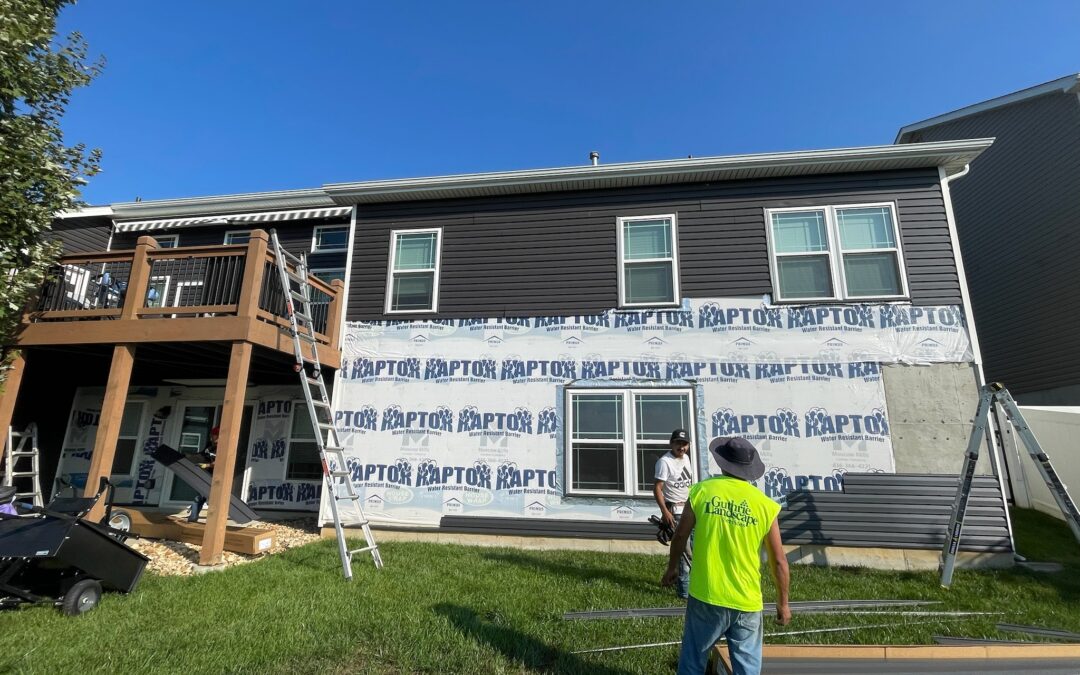
In short, the signs your siding was damaged during winter storms include cracked or shattered panels, denting from hail, warped or loose laps, gaps at seams and around windows, peeling or blistering paint, soft or rotted spots, moisture stains inside, and drafts with higher energy bills. Document these quickly to guide repairs and insurance actions.
Brutal U.S. winters bring wind, hail, heavy snow, ice dams, and volatile freeze–thaw cycles. After a storm, homeowners often focus on the roof, but your siding is a critical line of defense, too. If the cladding was compromised, small flaws can escalate, so a methodical post-storm siding inspection is essential.
Quick Answer: Signs Your Siding Was Damaged During Winter Storms
If you suspect winter siding damage, use this checklist to spot the most common issues fast—these are the classic signs your siding was damaged during winter storms.
- Cracks, splits, chips, or punctures (especially on windward or hail-exposed sides)
- Warping, buckling, or loose panels that rattle in the wind
- Dents and impact marks (common on aluminum and some steel profiles)
- Gaps at seams, corners, and around windows/doors where caulk or flashing failed
- Water stains, musty odors, or visible mold/mildew on adjacent interior walls
- Peeling or blistering paint on wood and fiber cement
- Soft, spongy, or rotted areas on wood or engineered wood siding
- Cold drafts with higher energy bills after the storm
Why Winter Storms Damage Siding
Winter weather attacks siding in several compounding ways. Wind flexes panels, pulls fasteners, and drives precipitation behind laps. Hail and flying debris chip, crack, or dent cladding. Freeze–thaw cycles expand water inside tiny cracks, prying them open. Ice dams back up meltwater at roof-to-wall transitions.
Analogy: Think of your siding like a raincoat. In a gentle drizzle, it beads water and protects you. In a blizzard with freezing rain, hail, and gale-force winds, even a great coat can be forced open at the seams. Your job is to inspect those seams and panels before the next storm rolls in.
Tools You Need for a Post-Storm Siding Inspection
- Flashlight or headlamp to rake light across surfaces
- Binoculars for upper elevations you can’t safely reach
- Moisture meter to identify hidden wet spots
- Straightedge and ruler to measure cracks, dents, and buckling
- Camera or phone with timestamp; label photos by elevation
- Ladder and stabilizer; follow ladder safety and never climb on ice; have a spotter present
- PPE: gloves, non-slip footwear, eye protection in windy conditions
- Blue painter’s tape or chalk to mark impact points for photos
How to Inspect Siding After a Winter Storm (Step-by-Step)
- Start safely: Walk the perimeter from the ground. Do not climb icy ladders or roofs. If you suspect roof or high wall damage, call a licensed roofing and siding contractor.
- Log directions and conditions: Photograph each elevation and label by compass direction (north, east, south, west). Note wind direction and hail size from the storm report for context.
- Check storm-facing sides first: Use a flashlight at a shallow angle to highlight dents, chips, lifted laps, and surface fractures.
- Compare elevations side-by-side: Distinguish hail patterns (directional and random impacts) from normal wear (uniform aging) by reviewing photos of all elevations together.
- Inspect joints and penetrations: Examine vertical and horizontal seams, corner posts, J-channels, starter strips, and around vents, hose bibs, and meters.
- Probe suspicious areas: Gently press on panels. Softness, sponginess, or movement can indicate rot, broken fasteners, or compromised sheathing.
- Check roof-to-wall transitions: Look behind gutters and at step flashing for staining, ice dam overflow marks, or wrinkled housewrap.
- Look inside after a thaw: Inspect exterior-facing interior walls for fresh stains, peeling paint, or musty odors following thaw cycles.
- Document thoroughly: Take time-stamped photos and videos. Include a ruler in close-ups to scale chips and cracks. Save all notes.
- Call a pro: A storm restoration-focused roofing and siding contractor can assess siding, flashing, the roof, and the water-resistive barrier (WRB) together—and guide repairs or insurance claims.
Material-Specific Signs of Winter Storm Damage
Vinyl siding
- Cracking, shattering, or “star fractures” from hail and flying debris
- Warping or buckling if panels were face-nailed or expanded/contracted around frozen fasteners
- Loose or unlocked laps that rattle in wind
- Brittle snaps at nail hems during deep cold snaps
Mitigation tip: Replace full runs on visible elevations for color matching, and allow proper expansion gaps per the Vinyl Siding Institute Installation Manual (VSI installation guidance).
Fiber cement siding
- Edge chipping at butt joints or cut ends from impacts
- Hairline cracks that widen after freeze–thaw cycles
- Peeling paint or surface flaking where moisture intruded
- Open or failed caulk joints at trim intersections
Mitigation tip: Seal cut edges per manufacturer instructions and repaint with compatible coatings; verify clearances above roofs, decks, and grade to limit saturation.
Wood and engineered wood siding
- Raised grain, swelling, or delamination after prolonged wetting
- Soft or punky spots at lower courses, drip edges, and trim
- Peeling or blistering paint and dark moisture staining
- Loose fasteners or cupped boards from cyclical wetting and drying
Watch for concealed damage at window sills and trim returns. Probe end grain to test for hidden rot and address promptly before it spreads.
Metal siding (aluminum/steel)
- Dents and creases from hail and debris
- Scratches to bare metal that risk corrosion
- Loose fasteners or oil-canning worsened by temperature swings
- Finish chalking accelerated by winter abrasion
Mitigation tip: If replacement is delayed, spot-prime any exposed metal to prevent rust, then schedule panel swaps when weather allows.
Stucco and EIFS
- Spider cracking, chips, or spalls after hail
- Dark damp areas or efflorescence marking moisture intrusion
- Delamination or hollow sounds when tapped
- Damaged control joints or sealant failures at transitions
Mitigation tip: Avoid injecting sealant into drainage cavities, which can trap water. Contact a qualified stucco/EIFS specialist for proper substrate and drainage repairs.
Roof-to-Wall Trouble Spots to Inspect
Roofing and siding work as a system, so problems often appear where they meet. Inspect step flashing and counterflashing for gaps, lifted shingles, or failed sealant that can route water behind siding. Verify gutters and downspouts are secure and not dumping meltwater onto walls.
Missing or undersized kickout flashing lets water run down the roof edge and behind the siding. Many manufacturers recommend a visible diverter with roughly 2-by-3-inch geometry that directs water into the gutter instead of the wall cavity.
Real-World Example
On a west-facing elevation after a hail-and-wind event, you find loose vinyl laps and cracked panels. At the roof-to-wall junction, kickout flashing is missing, and interior staining appears below the ceiling line. The chosen scope includes replacing full vinyl runs for color match, adding proper kickout flashing, and re-flashing the window with new WRB and tapes.
Common Interior Clues of Siding Damage
- Musty odors on exterior walls after a thaw (trapped moisture behind cladding)
- Fresh wall or ceiling stains aligned with roof-to-wall intersections
- Peeling paint or new nail pops on exterior-facing rooms
- Cold drafts and HVAC short-cycling after storms
Check during thaw periods when hidden leaks reveal themselves as liquid water. Use a moisture meter to confirm and photograph readings for your records.
Water, Air, and Energy Clues You Should Not Ignore
- Condensation on interior window trim near damaged siding can signal air leaks and wet insulation
- Sudden energy bill spikes or persistent drafts may indicate a compromised WRB, gapped sheathing, or missing insulation
What To Do Next: Document, Mitigate, and Call a Pro
- Document damage: Capture photos/video and a written description (date, storm type, wind direction, hail size).
- Mitigate immediately: Use temporary flashing tape, plastic sheeting, or board-over solutions to keep water out.
- Schedule a professional inspection: Hire a licensed, insured roofing and siding contractor experienced in winter storm restoration.
- Engage your insurer: Start a claim if damage is significant; keep receipts for emergency repairs and mitigation materials. For coverage basics, review the Insurance Information Institute’s guidance on winter storms and homeowners insurance.
Repair vs. Replace: How Pros Decide
- Localized repairs: Replace cracked panels, resecure loose laps, touch up coatings, and recaulk joints. Inspect and upgrade flashing while open.
- Sectional replacement: If one elevation took the brunt of hail or wind, replacing full runs restores WRB integrity and ensures color consistency.
- Full replacement: When impacts are widespread or water intrusion is evident, a tear-off allows new WRB, flashing, and a rainscreen to be installed to today’s standards.
Best practices during replacement:
- Install a high-performance WRB and flashing tapes at windows, doors, and penetrations.
- Add a rainscreen gap (furring or drainage mat) to promote drying in snowy climates.
- Verify step flashing, kickout flashing, and roof underlayment details at roof-to-wall areas.
- Use manufacturer-approved fasteners, clearances, and thermal expansion practices (see the VSI Installation Manual).
Repair Costs and Timelines (What to Expect)
- Minor panel swaps: Often a few hundred dollars for materials and labor, depending on access and color matching.
- Elevation replacements: Commonly run from the low to mid thousands per elevation, varying by material and region.
- Full-home replacement: Ranges widely—vinyl may be the most budget-friendly; fiber cement, engineered wood, and metal typically cost more.
- Timelines: Spot repairs can be done in a day; full elevations may take several days; full replacements can extend one to two weeks with weather delays.
- Insurance and code upgrades: Claim scope, matching requirements, and mandated code upgrades (like kickout flashing or WRB improvements) can materially affect totals.
Common pricing drivers include story height, site access, matching availability, and local code upgrades—key factors that influence storm-damaged siding repair costs in every market. If you plan to file an insurance claim for siding damage, organize photos, measurements, and contractor notes for an efficient adjuster walkthrough and faster scope agreement.
In busy storm seasons, labor and materials can be backlogged, extending scheduling by weeks. Many contractors triage by severity and weather windows, so book early and stay flexible. Insurer approval and mortgage company signatures can also affect start dates and draw schedules, especially on full elevations or whole-home replacements.
DIY vs. Pro: What You Can Safely Do
- Safe for homeowners: Document damage, install temporary coverings, perform minor caulk touch-ups within manufacturer temperature limits, and clean gutters.
- Reserve for pros: Work at heights, replace flashing, repair WRB, correct EIFS or stucco issues, and any tasks requiring permits or specialized tools.
- Cold-weather applications: Verify temperature limitations for sealants, caulks, and coatings, and follow manufacturer cold-weather guidelines.
Prevention: Make Your Siding More Winter-Resilient
- Choose resilient materials: Impact-resistant options and thicker profiles better handle hail damage to siding and wind-borne debris.
- Prioritize flashing: Proper kickout flashing and step flashing at every roof-to-wall tie-in are non-negotiable.
- Upgrade WRB and rainscreen: Use a drainable housewrap and ventilated rainscreen to speed drying and reduce freeze–thaw stress.
- Seal penetrations: Use quality sealants with backer rod around utilities and trim; re-inspect before winter.
- Gutter and roof maintenance: Keep gutters clear, add heat cable if needed, and consider snow guards on steep metal roofs to protect lower walls.
- Attic insulation and air sealing: Reduce ice dam siding damage risk by minimizing heat loss through the roof.
For broader preparation guidance, consult the National Weather Service’s homeowner resources: winter weather safety and preparedness. To build for resilience, see the IBHS FORTIFIED Home standards: FORTIFIED Home program. For context on changing winter extremes, review NOAA’s climate resources: NOAA Climate.gov and the NOAA NCEI brief on extreme winter weather.
Regional Nuance: Snowbelt, Nor’easters, and Mountain Climates
- Snowbelt: Drifting snow can pile against walls for weeks, stressing coatings and seams; rainscreens help walls dry faster once temps rise.
- Nor’easters and coastal storms: Wind-driven rain exploits tiny gaps; kickout flashing and robust WRB laps are critical on ocean-facing elevations.
- Mountain and high plains: Intense day–night temperature swings amplify freeze–thaw cycling; use impact-resistant cladding and meticulous flashing.
Future Outlook: What Winter Means for Siding in the U.S.
- More hail and wind claims in storm belts will increase demand for impact-resistant products and better flashing details.
- Stricter codes and insurer requirements around WRBs, flashing, and roof-to-wall protections will continue to expand.
- Growth of resilient standards like FORTIFIED that reward upgrades to roof, flashing, and wall assemblies.
- Advances in materials: thicker vinyl profiles, improved fiber cement coatings, engineered wood with better moisture resistance, and tougher metal finishes.
- Coverage shifts: Insurers increasingly distinguish cosmetic vs. functional damage and may require impact-resistant materials in high-loss regions.
For a climate context that can inform long-term planning, see NOAA Climate.gov and NOAA NCEI on extreme winter weather.
Maintenance Calendar for Winter Resilience
Fall (pre-storm) checklist
- Clean gutters and downspouts; verify discharge away from walls
- Re-caulk penetrations and inspect flashing at roof-to-wall transitions
- Touch up paint/coatings on vulnerable trim and end grain
- Trim trees/branches that could impact siding in wind or ice
- Review manufacturer cold-weather application limits for sealants and coatings
Spring (post-storm) checklist
- Walk all elevations and compare to fall photos for new damage
- Probe suspect wood or engineered wood areas for softness
- Check for hail damage to siding, dented metal, and chipped fiber cement
- Verify kickout flashing is present and properly sized
- Schedule any storm-damaged siding repair before summer heat stresses materials
FAQs: Winter Storm Siding Damage
How do I tell hail damage from normal wear?
Hail leaves random, directional impact marks—chips, cracks, dents—often on one or two elevations. Normal wear is uniform fading or aging across all sides. Compare multiple elevations and look for matching roof/gutter impacts.
Can siding be damaged even if I don’t see cracks?
Yes. Hidden issues include loosened fasteners, micro-cracks that widen after freeze–thaw cycles, or water behind laps. A pro can test for movement, moisture, and substrate damage.
Will homeowners insurance cover winter storm siding damage?
Policies vary, but wind and hail are typically covered perils. Coverage differs for cosmetic vs. functional damage and may require replacements to match undamaged areas. Consult your policy and resources like the Insurance Information Institute.
Should I repair siding in winter or wait until spring?
Mitigate immediately to keep water out. Many repairs can be performed in cold weather with the right materials, but full painting or certain sealants may need warmer temps. Your contractor will stage the project for weather windows.
What’s the most important area to check after ice dams?
Inspect roof-to-wall intersections: step flashing, kickout flashing, and the first few siding courses below the roofline. Stains or swollen trim below these areas are classic signs of backup and infiltration.
How soon after a winter storm should I inspect my siding?
Within 24–72 hours, once conditions are safe. Photograph each elevation, note wind direction and hail size, and look again after the first thaw when leaks are more apparent.
Does cold weather make vinyl siding more brittle?
Yes. Vinyl becomes less flexible in deep cold, which increases the chance of cracking on impact or during handling. Avoid unnecessary panel manipulation until temperatures moderate.
What if the damage is only cosmetic—should I still file a claim?
Document it and ask your contractor and insurer whether the damage impairs function. Some policies exclude purely cosmetic issues; others cover matching or full-elevation replacement when impacts are widespread. Timely documentation protects your options.
Call a Roofing and Siding Pro You Can Trust
Schedule a post-storm siding inspection if you notice signs your siding was damaged during winter storms, and book a photo-documented inspection. A qualified contractor will identify subtle damage, verify roof-to-wall flashing (including kickout flashing), and recommend a repair or replacement plan that protects your home before the next freeze.
Start with a thorough inspection, document what you see, and lean on reputable sources like National Weather Service winter weather safety and the Insurance Information Institute’s page on winter storm insurance coverage. For long-term resilience, explore the IBHS FORTIFIED Home program