
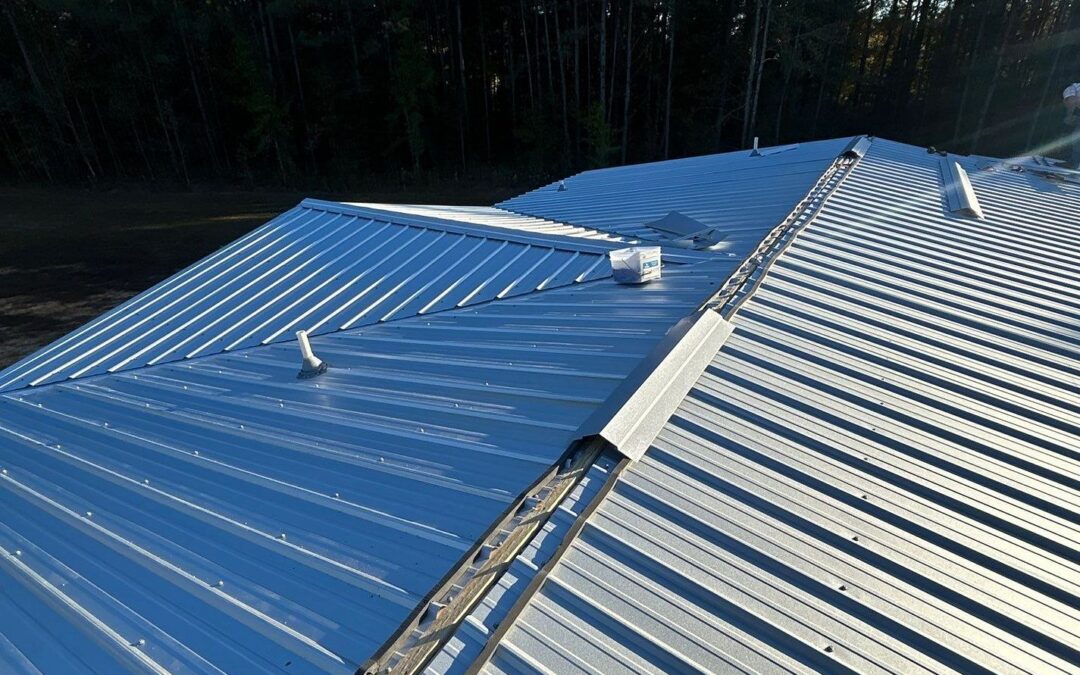
Featured snippet answer: Roof warranty vs insurance explains who pays for which roof problems: a roof warranty covers product defects and installation workmanship issues, while insurance covers sudden, accidental damage from covered perils like wind/hail, fire, lightning, or falling trees, and neither covers neglect, normal wear, or long‑term leaks without a qualifying peril.
Table of Contents
- Quick Answer
- What Is a Roof Warranty?
- What Does Roof Insurance Cover?
- What’s Covered vs What Isn’t
- An Easy Analogy
- Real-World Scenarios
- Residential vs. Commercial Roofing
- How to Read Your Policy and Warranty
- Step-by-Step After Storm Damage
- Maintenance Checklist
- Roof Leak Insurance Claim Process Timeline
- Costs, Deductibles, and ROI
- Common Edge Cases and Gotchas
- Future Outlook
- FAQs
- Key Takeaways
- Sources
- Author and Review
Quick Answer: Roof Warranty vs. Insurance (What’s Covered)
Skim-friendly summary: Warranties address manufacturer defects and installer workmanship; insurance addresses sudden perils. For homeowners insurance roof replacement, your payout depends on perils covered, deductible type (see deductibles), and whether your policy is ACV or RCV (see ACV vs RCV roof claim).
- Roof warranty: Covers product defects and/or workmanship errors, not weather or accidents. Examples include manufacturer roofing warranty and workmanship warranty roofing.
- Homeowners/commercial insurance: Covers sudden, accidental damage from covered perils like wind/hail, fire, or falling trees, subject to your policy terms and deductible.
- ACV vs RCV roof claim: ACV pays the depreciated value of your roof; RCV pays the full replacement cost (often in two checks: ACV first, recoverable depreciation after completion).
- Wind/hail deductible and hurricane deductible: Many policies use percentage-based deductibles for these perils that can be thousands of dollars out of pocket.
- Usually not covered by either: Normal wear and tear, neglect, long-term leaks, improper installation, ponding water, and ventilation/condensation problems.
- Documentation matters: Photos, maintenance logs, and inspection reports help both warranty service and a roof leak insurance claim.
What Is a Roof Warranty?
“Roof warranty” can refer to a manufacturer’s materials warranty, a contractor’s workmanship warranty, or a registered system/extended warranty that combines both. Terms and transfer rules vary, so read the registration requirements, exclusions, and maintenance obligations carefully.
Typical term lengths and transfer rules by material category:
- Asphalt shingles: Often marketed as “limited lifetime.” In practice, coverage is strongest in the early years and typically becomes prorated after 10–15 years. Many brands allow a one-time transfer to a new owner if registered within 30–60 days of sale, sometimes for a fee. Exclusions often include improper ventilation, ice dams, and installation errors.
- Metal roofing: Panel or shingle-style metal frequently carries 30–50 year base material warranties and separate finish (paint) warranties covering chalk and fade (e.g., 25–40 years, product-specific). Transferability and finish coverage terms depend on the manufacturer, and salt-spray/coastal exposure can add restrictions.
- Tile roofing: Clay/concrete tiles may include long material warranties for the tile itself, but the underlayment and flashing—which are critical to keeping water out—often have much shorter terms. Confirm underlayment warranty length and whether replacement requires specific fasteners/battens to remain covered.
- Flat/low-slope membranes (TPO, PVC, EPDM, mod-bit): Common terms range 10–30 years depending on system components, thickness, and whether the contractor is certified. Exclusions commonly include ponding water beyond a specified time (e.g., 48 hours), substrate moisture, unauthorized penetrations, and lack of maintenance.
Manufacturer (Material) Warranty
This warranty covers manufacturing defects that cause premature failure, not weather damage or incorrect installation. Many manufacturers offer enhanced, system-level programs managed through certified installers that extend coverage and reduce proration.
- Examples of enhanced programs include GAF Golden Pledge, CertainTeed SureStart PLUS, and Owens Corning Preferred Protection, which typically require a certified installer, specific accessory components, registration, and sometimes manufacturer inspections.
- Common exclusions include improper ventilation, installation outside published instructions, foot traffic damage, ponding on low-slope areas, and preexisting conditions.
Caution: If you fail to register within the required window, enhanced benefits may be reduced to base material coverage only.
Workmanship Warranty Roofing (Contractor)
Provided by the installer, this covers leaks or failures caused by installation errors. Terms vary from 1 to 25+ years, and coverage often depends on the contractor staying in business or offering a third-party backstop.
How workmanship claims are validated: Contractors or manufacturers typically review photo evidence, trace the water path through leak tracing, and may perform limited destructive testing (lifting shingles, removing sections of flashing) to confirm the source. Denials are common when leaks originate from third-party penetrations (e.g., new HVAC lines), when storm damage was left unsealed and allowed to worsen, or when maintenance obligations (like resealing fasteners) weren’t met. Keep maintenance logs and before/after photos to strengthen workmanship warranty roofing claims.
System/Extended Warranties
When a manufacturer certifies both materials and installation as a system, you may qualify for enhanced coverage that combines materials and workmanship. On commercial roofs, this can include NDL (no dollar limit) warranties that cover repair or replacement to correct leaks caused by covered defects within the term, regardless of cost.
Even with NDL, exclusions still apply: punctures from dropped tools, abuse, unprotected foot traffic, or lack of required maintenance may be excluded unless specifically endorsed. Registration windows typically run 30–60 days post-install, and some programs require annual maintenance to keep coverage active.
What Does Roof Insurance Cover?
Coverage varies by state, carrier, and policy form. Always read your declarations page, endorsements, and exclusions, and confirm details with your agent or broker. A quick rule of thumb: insurance covers sudden, accidental damage from named perils; it does not fund routine maintenance or aging.
Covered perils and regional notes
- Wind/hail: Often covered, but many states use percentage-based wind/hail deductibles and stricter requirements for older roofs.
- Hurricanes: Coastal policies frequently have a separate hurricane deductible and underwriting conditions tied to roof age and type.
- Wildfire and falling objects: Usually covered, though availability and terms can change in high-risk areas.
- Weight of ice/snow: Sometimes covered if sudden and accidental; check policy language.
Disclaimer: This section is educational; verify endorsements (e.g., cosmetic damage, matching coverage, ordinance or law) with your licensed insurance professional.
Deductibles: Flat vs Percentage, Wind/Hail and Hurricane
Deductibles determine your out-of-pocket share on a claim. A flat deductible is a set dollar amount (e.g., $1,000). A percentage deductible is a percentage of the Coverage A dwelling limit or building limit and can be substantial on roof claims. Know your roof wind and hail deductible and hurricane deductible amounts before storm season.
- Wind/hail deductible example: If your Coverage A is $400,000 and you have a 2% wind/hail deductible, you pay $8,000 before insurance contributes.
- Hurricane deductible example: If your dwelling limit is $600,000 and your hurricane deductible is 5%, your out-of-pocket is $30,000 when the loss meets the policy’s hurricane trigger.
- Minimum/maximum caps: Some states or carriers apply minimum or maximum caps (e.g., no less than $2,500 and no more than 5% of Coverage A) on percentage deductibles.
- Event triggers: Hurricane deductibles typically trigger when a named storm watch/warning is issued or landfall occurs, as defined in your policy.
- Budgeting: Know your wind/hail deductible and hurricane deductible in advance to avoid surprises after a storm.
- State guidance example: See the Texas Department of Insurance guidance on wind/hail deductibles for how percentage deductibles and caps can work.
Because percentage deductibles scale with the insured value, two neighbors with the same storm damage can have very different out-of-pocket costs. If your home value rises at renewal, your wind/hail deductible rises with it unless you adjust the percentage. In high-risk regions, consider whether premium savings from a higher deductible justify the potential cash burden during peak storm seasons. Review your declarations page annually and discuss options like setting a maximum deductible or switching to a flat deductible where available to balance affordability and risk tolerance.
ACV vs RCV Roof Claim (With a Simple Math Example)
Policies may settle roof claims at Actual Cash Value (ACV) or Replacement Cost Value (RCV). RCV is usually paid in two parts: an initial ACV check and a second payment for recoverable depreciation after the work is completed.
- Example: Total roof replacement cost is $15,000. Depreciation is 40% = $6,000. Your deductible is $2,500.
- Step 1 (ACV): ACV = $15,000 − $6,000 = $9,000. Initial payment = $9,000 − $2,500 deductible = $6,500.
- Step 2 (Recoverable depreciation): After you complete the roof and submit the final invoice, the carrier releases $6,000 (if your policy includes recoverable depreciation).
- Total payout: $12,500 ($6,500 + $6,000), with you paying the $2,500 deductible.
Note: An ACV-only endorsement on older roofs can materially reduce a homeowners insurance roof replacement payout.
Cosmetic vs Functional Damage (Metal Roofs)
Some policies exclude purely cosmetic hail damage on metal roofs (e.g., dents that don’t impair performance). If panels aren’t punctured and the system remains watertight, the insurer may deny replacement as cosmetic. Ask your agent about a cosmetic damage endorsement if you have metal roofing.
Matching and Appearance
When shingles or panels are discontinued, “matching” provisions determine whether the insurer pays to replace entire slopes or only damaged sections. Some states have matching statutes that influence these decisions, while other policies limit matching to “reasonable” repairs. Review your policy and state guidance on roof matching coverage before a claim occurs.
Code upgrades (Ordinance or Law)
Building codes may require upgrades like ice and water shield, enhanced ventilation, or decking repairs during replacement. These costs are covered only if you carry Ordinance or Law coverage. Ask your agent for the exact percentage limit (e.g., 10%, 25%, or more) and request your contractor to provide code citations to support the claim scope.
What’s Covered vs What Isn’t
- Covered (warranty): Manufacturing defects causing premature failure; installation errors that lead to leaks; registered system failures within the stated term.
- Covered (insurance): Wind uplift/tearing, hail impact that compromises shingles or metal, falling trees/limbs, fire/smoke, and sometimes sudden weight of ice/snow.
- Excluded (both): Normal wear and tear, aging, UV degradation, neglect, improper installation, and long-term leaks from maintenance failures.
- Excluded (warranty): Storm and hail damage, ponding water on low-slope roofs, condensation due to improper ventilation, unapproved penetrations, foot traffic damage.
- Excluded (insurance): Flooding (separate policy), earthquake (separate policy), cosmetic-only damage (depending on endorsements), and preexisting conditions.
- Conditional: Ice dams may be covered only if sudden and accidental and specifically listed; matching coverage and code upgrades depend on endorsements and state rules.
An Easy Analogy
Think of your roof like a car. The warranty covers defects in the parts and the mechanic’s work if installed incorrectly. Insurance covers accidents—like a tree limb falling on the hood. Neither covers worn brake pads or engine failure from skipping oil changes, just as roof wear or neglect isn’t covered.
Real-World Scenarios
Hail in Texas (Residential)
A homeowner near Dallas has a 10-year-old asphalt shingle roof with a limited lifetime materials warranty and a 5-year workmanship warranty that has expired. A spring hailstorm bruises shingles and dents soft metals.
- Warranty: Denied; storm damage is excluded under manufacturer and contractor terms.
- Insurance: Covered as hail peril. The policy carries a 1% wind/hail deductible on a $350,000 dwelling, so the homeowner pays $3,500. The claim is RCV; depreciation is paid after completion. Ordinance or Law at 25% covers added ice and water shield.
- Outcome: Replacement with Class 4 impact-resistant shingles; potential impact-resistant shingles insurance discount in future years (varies by carrier/state).
Hurricane in Florida (Metal Roof)
A 12-year-old standing seam metal roof in coastal Florida experiences a Category 2 hurricane. Several panels are deformed, ridge caps are loosened, but no punctures are visible.
- Warranty: Manufacturer warranty excludes storm damage; finish warranty won’t apply to impact dents or wind deformation.
- Insurance: The policy has a separate 5% hurricane deductible on a $500,000 dwelling = $25,000. The carrier inspects for functional compromise—fastener pull-out, seam separation, or loss of weather integrity.
- Outcome: If deformation is purely cosmetic, replacement may be denied without a cosmetic damage endorsement. If seams separate or water intrusion is documented, replacement of affected slopes is typically covered.
Commercial Flat Roof (TPO) Puncture
During rooftop HVAC work, a tool punctures a TPO membrane, causing a leak.
- Warranty: An NDL system warranty may exclude punctures from abuse or other trades unless you carry a puncture/traffic endorsement and required walk pads.
- Insurance: Commercial property insurance typically covers the sudden accidental puncture subject to deductible.
- Outcome: Maintenance logs and installed walk pads help both claim approval and warranty service, reinforcing best practices for low-slope roofs.
Residential vs. Commercial Roofing Considerations
- Residential: Asphalt shingles dominate, with growing metal and synthetic options. Warranties focus on materials and workmanship; insurance is typically HO-3/HO-5 (owners) or DP-3 (landlords). Some HO-3 policies settle older roofs at ACV without an endorsement—see the ACV vs RCV roof claim section.
- Commercial: Low-slope systems (TPO, PVC, EPDM, modified bitumen) often qualify for manufacturer NDL system warranties if installed by certified contractors. Property policies may carry higher deductibles and stricter maintenance obligations.
How to Read Your Roof Warranty and Insurance Policy
Scan these items to understand your roof warranty coverage and insurance obligations:
- Coverage type: ACV vs RCV for insurance; materials vs workmanship vs system for warranties.
- Exclusions: Storm, ponding, improper ventilation, foot traffic, substrate moisture, and prior damage.
- Registration deadlines: Enhanced programs often require registration within 30–60 days of installation.
- Maintenance requirements: Semiannual inspections, debris removal, sealant renewal, and documentation.
- Transferability: One-time transfer windows and fees, especially for limited lifetime shingles.
- Claim process: Report channels, photo evidence, inspection windows, and dispute resolution.
- Endorsements/requirements: Cosmetic damage, matching coverage, ordinance or law, impact-resistant discounts, and manufacturer installation instructions (MIIs).
Step-by-Step: What to Do After Storm Damage
- Document immediately: Capture time-stamped photos/videos of shingles, flashing, vents, gutters, and any interior leaks.
- Mitigate: Tarp or perform emergency dry-in within 48–72 hours; save receipts for reimbursement.
- Call a reputable, local roofing contractor: Request a storm inspection with a written report and photos.
- Review your policy: Confirm deductible type/amount, ACV vs RCV, and endorsements (matching, cosmetic, ordinance or law).
- File a claim (if warranted): Submit documentation and be present for the adjuster’s inspection when possible.
- Compare scopes: Align the contractor’s estimate with the insurer’s scope and request code citations for required upgrades.
- Material choices: Consider Class 4 impact-rated shingles or heavier-gauge metal to reduce future risk and potentially earn discounts.
- Keep records: Save permits, invoices, photos, and correspondence to support future warranty and insurance needs.
Maintenance Checklist to Protect Coverage
- Clean gutters and downspouts twice yearly; ensure downspouts discharge away from the foundation.
- Trim overhanging branches and remove roof debris after storms.
- Inspect flashing at valleys, chimneys, skylights, and walls each spring/fall; reseal as needed.
- Check attic ventilation and insulation; fix condensation issues that can cause mold and deck rot.
- On low-slope roofs, clear scuppers and drains; monitor for ponding water and repair promptly.
- Install walk pads around rooftop equipment to minimize foot-traffic damage.
- Reseal or replace exposed fasteners on metal roofs on a routine schedule.
- Perform infrared or moisture scans every 2–3 years on commercial roofs to catch hidden wet insulation.
- Log all inspections, maintenance, and photos; these support roof leak insurance claims and warranty service.
Ridgeline Roofing can help with the process of making sure you can protect your coverage. Reach out to us to ask any questions!
Roof Leak Insurance Claim Process Timeline
This roof leak insurance claim process timeline outlines the typical steps from first notice of loss to final payment so you can plan, document, and communicate effectively.
- Notice of loss: Report the claim promptly after the event; many policies require “immediate” notice.
- Emergency mitigation: Perform temporary repairs within 48–72 hours to prevent further damage; keep receipts.
- Inspection: Adjuster inspection typically within 7–14 days, subject to catastrophe volumes.
- Initial determination: Expect a coverage decision or status update within 14–30 days in many jurisdictions.
- Payment 1 (ACV): If covered, carriers often issue the ACV payment after scope agreement.
- Repairs/replacement: Many policies require completion within 120–180 days to recover depreciation (timelines vary by state and policy).
- Payment 2 (recoverable depreciation): Submit final invoice and photos to release depreciation and any supplements.
- Closeout: Save all documentation for warranty registration and future resale disclosures; this supports roof leak insurance files if questions arise later.
Timelines and deadlines can vary by your state Department of Insurance and your specific policy form; always defer to the requirements in your contract.
Costs, Deductibles, and ROI
- Higher deductibles reduce premiums but increase your out-of-pocket for wind/hail events.
- ACV-only roof endorsements lower premiums but can significantly reduce claim payouts, especially on older roofs.
- Impact-resistant shingles insurance discount may be available with Class 4 shingles; check your carrier’s requirements.
- FORTIFIED Roof program designations can sometimes earn premium credits and improve resilience.
- Enhanced system warranties may cost more initially but can streamline service and reduce finger-pointing between installer and manufacturer.
- Decision support: Weigh ACV-only premium savings against expected wind/hail frequency in your ZIP code using your carrier’s loss maps or risk dashboards.
When possible, set aside your wind/hail deductible in an emergency fund so you are prepared to act quickly after a storm.
Common Edge Cases and Gotchas
Partial Damage and Matching
If only part of a slope is damaged, your policy’s matching provision determines whether the insurer pays for full-slope or spot repairs. Check for a roof matching coverage endorsement and any state matching statutes that may apply.
Roof Surfacing Schedule
Some carriers add a “roof surfacing schedule” endorsement that caps payout by roof age or type, particularly in hail-prone regions. For example, a 15-year-old shingle roof might be settled at ACV regardless of the rest of the policy being RCV. Review your declarations page and endorsements for these limitations.
Solar Panels and Warranties
Photovoltaic mounting methods affect both insurance and warranties. Direct-to-deck or rail systems require approved flashing kits to preserve manufacturer roofing warranty terms, and penetrations added by solar installers can void workmanship coverage if not coordinated with your roofer. In claims, insurers may cover panel removal/reinstall if required to access the roof; confirm this with your policy and contractor.
Future Outlook: What Property Owners Should Expect
Roof coverage is evolving alongside weather volatility, underwriting changes, and building innovation. Expect a continued shift toward ACV-only roof settlements for older roofs in hail belts, more photographic documentation at policy inception and renewal, and stricter proof-of-maintenance requirements. As reinsurance costs rise, some carriers will refine wind/hail eligibility and deductibles in high-loss regions, pushing more responsibility onto property owners to harden roofs.
- Parametric hail insurance: Pilots are emerging that pay based on measured hail size inside a geofence rather than on individual loss adjustment, potentially speeding recovery but requiring separate purchase.
- Geospatial roof-age verification: Carriers increasingly leverage aerial imagery and permit databases to validate roof age and condition, influencing premiums and eligibility.
- Resilient and cool roofs: Expect wider adoption of impact-resistant shingles, thicker-gauge metal, cool-roof membranes, and high-temperature underlayments that perform better under heat and severe storms.
- Documentation at scale: Drone surveys and app-based photo logs may become standard evidence for both warranty compliance and claims handling.
- Code evolution: More municipalities are adopting ice/water barriers, enhanced ventilation, and wind-uplift fastening patterns, increasing the importance of Ordinance or Law coverage.
AI‑assisted aerial imagery and computer vision are rapidly being used to score roof condition, detect missing shingles or ponding, and triage claims after catastrophes. These models can prioritize inspections, flag pre-existing damage, and inform underwriting renewals, although human review remains critical for accuracy and fairness. Expect deeper integration of automated roof scoring into policy onboarding and post‑CAT workflows.
Looking ahead, more policies may incorporate granular hail and wind intensity mapping to tailor deductibles and endorsements by neighborhood, not just ZIP code. Expect insurers to reward proactive risk management—like scheduled maintenance, Class 4 upgrades, and FORTIFIED Roof certifications—with smoother underwriting and potential credits.
FAQs
Does homeowners insurance cover roof leaks?
It depends on the cause. Sudden leaks from a covered peril (like wind/hail) are usually covered. Long-term leaks from wear, failed sealant, or poor flashing are typically excluded.
Is hail damage covered by a roof warranty?
No. Hail and wind/hail events, along with other acts of nature, are almost always excluded by manufacturer and workmanship warranties. That’s an insurance question.
What’s the difference between ACV and RCV?
ACV pays the depreciated value; RCV pays to replace with like kind and quality. Many RCV policies pay ACV first, then release recoverable depreciation after you complete the work. Your homeowners insurance roof replacement payout hinges on whether your policy is ACV or RCV.
Does insurance cover a 20-year-old roof?
Coverage depends on condition, policy form, and endorsements. Some carriers in hail-prone states apply ACV-only or roof surfacing schedules to older roofs, reducing payouts.
Can I claim a roof leak without storm damage?
Only if the leak results from a sudden, accidental event covered by the policy (e.g., a fallen branch). Wear-and-tear leaks, failed flashing, or maintenance issues are generally not covered.
Will a roof claim raise my premium?
Claim history can affect premiums and eligibility. Catastrophe-wide weather claims often influence rates regionally; individual non-weather claims may have a more direct impact.
What if my insurer’s estimate is lower than my contractor’s?
Request a scope review with your adjuster and contractor together. Provide code citations, manufacturer installation requirements, and photos; your contractor can submit a supplement with documentation.
Do I need multiple bids for a roof claim?
Not usually, but some carriers request one additional estimate. More important is aligning the scope and ensuring code compliance, materials equivalency, and warranty registration.
How do cosmetic damage exclusions affect metal roofs?
If your policy excludes cosmetic hail damage, dents without functional impairment may be denied. Ask your agent about a cosmetic damage endorsement for metal systems.
Does matching coverage apply to discontinued shingles?
It depends on your policy and state statutes. Some policies pay to replace adjoining areas for uniform appearance; others limit repairs to damaged sections only.
Key Takeaways
- Warranty = defects/workmanship; Insurance = sudden perils.
- Wear, neglect, and improper installation are typically excluded by both.
- Know your wind/hail deductible, hurricane deductible, ACV vs RCV, and Ordinance or Law coverage before storm season.
- Maintenance records and certified installers are your best allies for roof warranty coverage and claims.
Pro move: Request a policy review and a roof inspection before storm season to verify endorsements and document condition. Schedule your roof policy review.
Sources and Further Reading
- Insurance Information Institute: Does homeowners insurance cover your roof?
- National Roofing Contractors Association: Roof warranties (consumer guidance)
- Insurance Institute for Business & Home Safety: FORTIFIED Roof program
- NAIC: Actual Cash Value vs Replacement Cost explained
- Texas Department of Insurance: Understanding wind/hail deductibles
Disclaimer: Coverage varies by carrier and state, and policy language controls. This article is for educational purposes only and does not constitute legal or insurance advice; consult a licensed professional for guidance.