
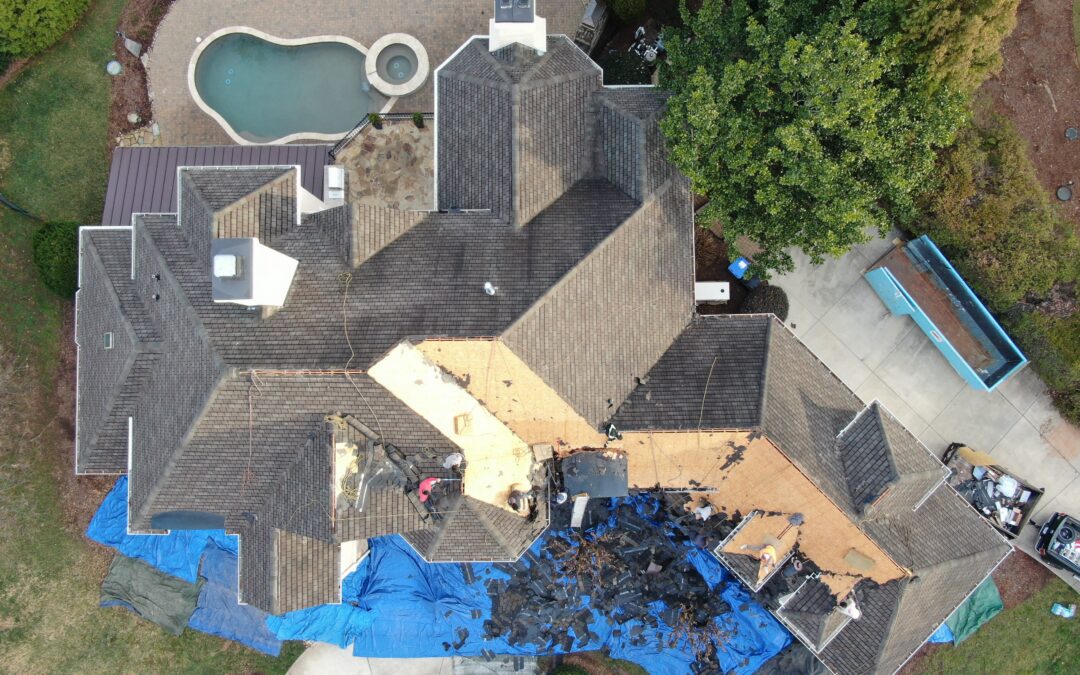
Replacing a roof in 2026 typically falls into a wide range because material choice, roof size, pitch, tear-off, and local labor rates all swing the final number. National pricing guides commonly place most roof replacements around $4–$11 per sq. ft. installed (with premium materials higher).
Quick takeaway: For many single-family homes, “typical” asphalt reroofs often land in the high four figures to the teens, while metal, tile, slate, and complex roofs can push far higher.
Average Roof Replacement Cost in 2026 (U.S.)
Across major national sources:
-
Angi: around $4 to $11 per sq. ft. for many roof replacements.
-
Fixr: national average around $10,000, with a common range $7,500–$14,000 (but can go much higher depending on material and complexity).
-
NerdWallet (citing Angi): average about $9,500, with a wide range into the tens of thousands depending on roof/material/location.
Rule of thumb sizing:
-
Typical single-family roof: ~18–30 squares (1 square = 100 sq. ft.)
-
Standard scope usually includes: tear-off (if required), underlayment, flashing work, ventilation, and cleanup/disposal.
Cost Per Square Foot vs. Cost Per Square (Explained)
-
1 roofing square = 100 sq. ft.
-
Quick math: Roof area ÷ 100 = squares
-
Then: squares × price per square = baseline estimate
Example: 2,200 sq. ft. roof → 22 squares.
If your quote is $650–$950 per square (architectural shingles), baseline = $14,300–$20,900, before any special conditions (deck repairs, steep slope, code upgrades, etc.).
What Drives Roof Replacement Costs in 2026
These factors usually explain why one quote is “way higher” than another:
-
Material choice (asphalt vs metal vs tile vs slate)
-
Roof size + waste factor (often 5–15% depending on valleys/hips/cut-ups)
-
Pitch and complexity (steep roofs require more safety setup and time)
-
Tear-off + disposal (multiple layers and heavy debris cost more)
-
Underlayment & water protection (ice-and-water, synthetic felt, valley membranes)
-
Flashing & metal work (chimneys, step flashing, drip edge, pipe boots)
-
Ventilation and code compliance (ridge vent + intake, bath fan routing, etc.)
-
Regional labor rates and backlog (post-storm markets spike fast)
For broader construction price movement tracking, BLS PPI resources are here:
https://www.bls.gov/ppi/
Typical 2026 Installed Price Ranges by Material
These ranges are planning ranges, not quotes. Your roof shape, height, and local labor market matter a lot.
Asphalt shingles
-
Often the most budget-friendly option nationally
-
Architectural shingles are the most common “value sweet spot”
Pricing reference points: Angi + Fixr national pricing ranges
Standing seam metal
-
Higher upfront, longer lifespan, strong wind performance
-
Expect higher labor and fabrication cost vs shingles
Tile (concrete/clay) and slate
-
Higher material cost + structural considerations
-
Specialized labor; long lifespan
Low-slope membranes (TPO/PVC/EPDM)
-
Price depends heavily on thickness, attachment method, and edge details
-
Cool-roof options can reduce heat gain in hot climates
Permits, Inspections, and Why They Affect Price
Many cities require permits for reroofs. Fees vary, and inspections may be required mid-project and at completion. Your contractor should include permitting and inspection scheduling in the written scope.
Insurance and Storm Damage in 2026
Insurance may help if the damage is sudden and accidental (hail/wind/impact), but not wear-and-tear. Settlement type matters:
-
ACV (Actual Cash Value) pays depreciated value
-
RCV (Replacement Cost Value) typically releases recoverable depreciation after final invoice
If your roof was damaged by a storm and you need documentation + claim-friendly scope, Ridgeline Roofing’s storm support page.
Solar and Energy Considerations
If you’re combining a reroof with solar, plan both scopes together:
-
Confirm attachment method, flashing details, and warranty requirements.
-
In hot climates, consider cool roof materials to reduce heat gain. ENERGY STAR overview:
https://www.energystar.gov/products/cool-roofs
Cool Roof Rating Council database/tools:
https://coolroofs.org/resources/home-and-building-owners
How Long Does Roof Replacement Take?
Typical timelines (weather and complexity matter):
-
Asphalt shingles: 1–3 days
-
Standing seam metal: 3–7+ days
-
Tile/slate: 4–10+ days
-
Low-slope membranes: 1–3 days
How to Compare Quotes Like a Pro
When you get bids, ask each contractor to quote the same scope, including:
-
Tear-off + disposal (and how many layers)
-
Underlayment type + ice/water locations
-
Flashing scope (step/kickout/chimney/pipe boots/drip edge)
-
Ventilation plan (intake + exhaust)
-
Decking replacement price per sheet and a cap/allowance
-
Cleanup plan + magnet sweep
-
Permits included (yes/no)
For consumer roofing basics and what should be in a proper scope, NRCA resources:
https://www.nrca.net/roofing-guidelines/consumer-information
Internal Links for Ridgeline Roofing
Use these as internal links inside your site:
-
Roof replacement service page: https://ridgelineroofing.com/roof-replacement
-
Residential roofing: https://ridgelineroofing.com/residential-roofing
-
Roof ventilation: https://ridgelineroofing.com/roof-ventilation
-
Storm damage help: https://ridgelineroofing.com/storm-damage-roof-repair
-
Contact / schedule estimate: https://ridgelineroofing.com/contact
External Links Used for This 2026 Guide
-
Angi roof replacement cost (updated for 2026 data): https://www.angi.com/articles/how-much-does-roof-replacement-cost.htm
-
Fixr roof replacement cost (2026): https://www.fixr.com/costs/roof-replacement
-
NerdWallet roof replacement cost (2026): https://www.nerdwallet.com/home-ownership/home-improvement/learn/roof-replacement-cost
-
BLS PPI (inflation/cost inputs): https://www.bls.gov/ppi/
-
ENERGY STAR cool roofs: https://www.energystar.gov/products/cool-roofs
-
NRCA consumer roofing info: https://www.nrca.net/roofing-guidelines/consumer-information
-
Zonda 2025 Cost vs Value Report (ROI context): https://zondahome.com/2025-cost-vs-value-report/