
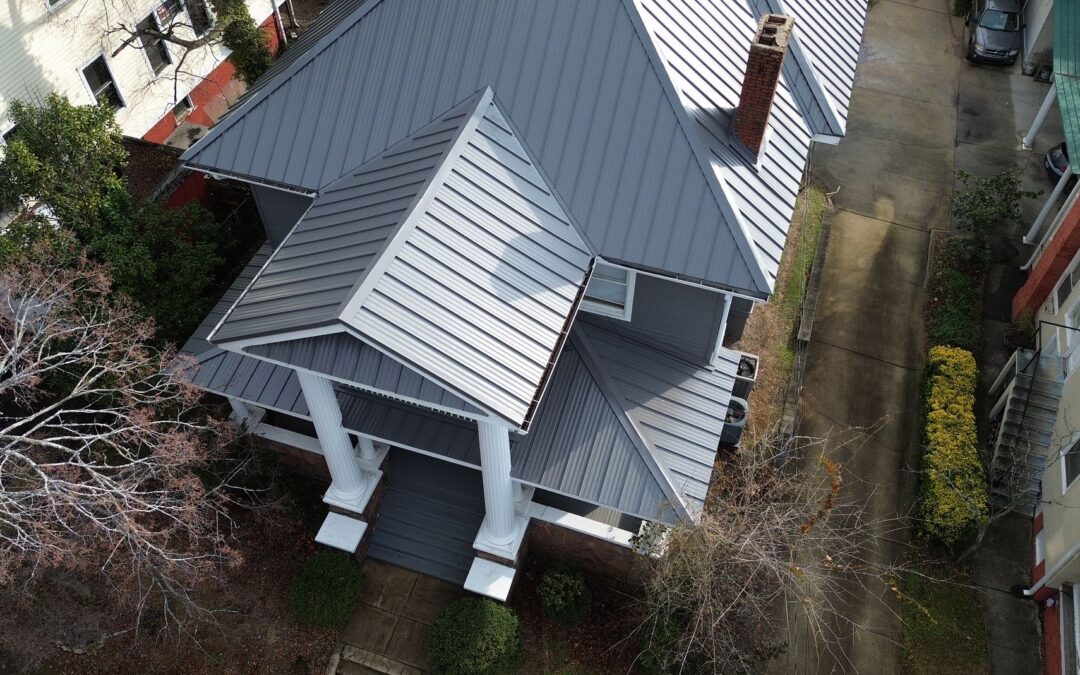
Spring storm season in Georgia can be rough on roofs across the region. One afternoon may bring pounding rain, hail, sharp wind gusts, and fallen tree limbs, while the next reveals ceiling stains, missing shingles, or a slow attic leak. For homeowners, landlords, and property managers, that often turns into an urgent search for dependable roof repair in Atlanta from a local team that understands the weather, neighborhoods, and roofing systems found throughout the metro area.
Ridgeline Roofing provides Metro Atlanta roofing services designed to help property owners respond quickly after severe weather. Whether the need is for roof storm damage repair Atlanta, Atlanta roof leak repair, emergency tarping, or a full post-storm inspection, local coverage matters. From older intown homes to newer suburban developments, roofing issues vary widely across Atlanta, and spring storms can expose weaknesses that may have gone unnoticed for months.
According to the National Weather Service, severe thunderstorms can produce damaging winds, large hail, flash flooding, and even tornadoes, all of which can affect residential roofing systems in a matter of minutes. The Insurance Information Institute reports that wind and hail remain among the most common causes of homeowners insurance losses in the United States. Those two realities make fast, professional attention especially important after spring weather moves through Metro Atlanta.
If you are looking for an Atlanta roofing contractor that serves multiple communities across the region, it helps to choose a company prepared to evaluate both visible and hidden damage. A roof may look mostly intact from the driveway, yet still have bruised shingles, loosened flashing, compromised sealant, or moisture intrusion beginning beneath the surface. Quick action can help limit repair costs and reduce the chance of larger structural problems later.
Why Spring Storms Cause So Much Roof Damage in Metro Atlanta
Spring is one of the busiest times of year for roof repair across Metro Atlanta because the season combines several threats at once. Warm air, heavy moisture, and unstable weather patterns often produce strong thunderstorms that can stress even a well-built roofing system. Wind can lift shingle edges and break seals. Hail can bruise asphalt shingles and strip away protective granules. Heavy rainfall can push water through vulnerable flashing points, roof penetrations, valleys, and older seams.
Metro Atlanta also has a mix of housing ages and roof conditions. Some neighborhoods have older homes with aging flashing, worn pipe boots, and original roof assemblies that are more vulnerable after repeated weather cycles. Other areas have newer homes with larger roof planes and complex intersections that can collect water in valleys during hard rain. In both cases, spring storms can quickly reveal weak points.
A storm-damaged roof is a lot like a smartphone screen after a small corner drop. At first, the crack may seem minor and easy to ignore. But once pressure and daily use continue, that damage spreads and becomes much more expensive to deal with. Roofing problems often work the same way. A lifted shingle or a small puncture from debris may not seem severe at first, but repeated rain events can turn that minor issue into insulation damage, mold concerns, wood rot, and interior repair costs.
That is why a prompt roof inspection after hail or wind-driven rain is so important. The sooner damage is identified, the easier it is to decide whether the property needs targeted repair, flashing replacement, temporary leak mitigation, or a broader roofing plan.
Ridgeline Roofing Atlanta Service Areas
Ridgeline Roofing serves homeowners and businesses across Atlanta and surrounding communities with responsive inspections, repairs, and storm recovery support. Common service areas include:
- Atlanta
- Sandy Springs
- Roswell
- Alpharetta
- Marietta
- Smyrna
- Dunwoody
- Brookhaven
- Decatur
- Johns Creek
- Peachtree Corners
- Kennesaw
- Woodstock
- Lawrenceville
- Norcross
- Tucker
- East Point
- College Park
- Union City
- And nearby Metro Atlanta communities
Local knowledge matters because roofing concerns are not identical across the region. In intown Atlanta neighborhoods such as Decatur, Brookhaven, and older parts of the city, many homes have mature trees, older chimney flashing details, and aging roofing systems that may be more vulnerable to leak paths after heavy rain. In north metro suburbs such as Alpharetta, Roswell, Johns Creek, and Sandy Springs, large homes often feature complex roof lines, multiple valleys, and steep pitches that can make stormwater management and wind exposure more significant.
Heavily wooded communities across Cobb, DeKalb, and Gwinnett counties may face a different set of risks, especially from broken limbs, accumulated debris, and gutter clogs that prevent proper drainage after a storm. A roof in Marietta may be dealing with leaf buildup and fallen branches, while a home in Midtown Atlanta may be more likely to show flashing wear around older masonry features. Broad service coverage across the metro area allows Ridgeline Roofing to respond with solutions that fit local conditions rather than a one-size-fits-all approach.
This local perspective is valuable when weather hits multiple counties at once. A roofing company that regularly works throughout Metro Atlanta can recognize recurring patterns, prioritize urgent issues, and provide practical recommendations based on the architecture, tree coverage, and storm exposure common in each area.
Common Roof Problems After Spring Storms
After severe weather, many homeowners discover issues that require fast roof storm damage repair Atlanta services. Some problems are obvious from the ground, while others only become visible once water enters the home. Common issues include:
- Missing shingles: Wind can tear off shingles or loosen them enough to expose underlayment.
- Lifted shingle tabs: Even when shingles remain attached, broken seals can create future leak risks.
- Hail bruising: Hail may leave dark spots, soft impacts, or granule loss that weakens shingle performance.
- Flashing failure: Metal flashing around chimneys, skylights, roof walls, and vents can separate or bend during storms.
- Pipe boot damage: Rubber seals around roof penetrations can crack, shift, or wear out under weather stress.
- Tree impact damage: Branches and debris can puncture roofing material or crush gutters and fascia.
- Drainage issues: Blocked gutters and downspouts can force water back toward the roof edge and soffits.
- Interior leaks: Ceiling stains, damp insulation, and attic moisture often indicate a roof vulnerability above.
In many homes, the first warning sign is not outside at all. It may be a yellow ceiling stain, peeling paint near a corner, a musty attic smell, or water appearing near a vent stack after hard rain. These signs should never be ignored, especially during Georgia’s storm season.
Signs You Need Roof Repair After a Storm
If hail, wind, or heavy rain recently moved through your neighborhood, it is wise to watch for the following indicators that professional Atlanta roof leak repair or storm repair may be needed:
- Shingles or roofing debris in the yard.
- Granules collecting in gutters or at downspout exits.
- Dark bruises or impact marks on asphalt shingles.
- Loose flashing around chimneys, vents, and skylights.
- Water stains on ceilings or upper walls.
- Visible attic moisture or damp insulation.
- Sagging sections or uneven roof lines.
- Bent, detached, or overflowing gutters after rain.
Even when damage appears limited, hidden moisture intrusion can continue with every passing storm. Prompt repair helps protect not only the roof itself, but also insulation, drywall, framing, flooring, and indoor air quality.
What Homeowners in Atlanta Should Do Right After Storm Damage
After a spring storm, the first few steps can make a big difference in safety, documentation, and repair timing. Homeowners across Atlanta can use this basic process:
- Start with safety: Stay off the roof and avoid downed power lines, unstable tree limbs, or areas with active interior water intrusion near electricity.
- Document visible issues: Take photos of missing shingles, fallen limbs, damaged gutters, ceiling stains, and any water entering the home.
- Check the attic if safe: Look for damp insulation, dripping water, or daylight showing through the roof decking.
- Prevent further interior damage: Move valuables, place buckets under leaks, and protect floors or furniture if water is entering.
- Schedule a professional inspection: Arrange a prompt evaluation from a trusted local roofing company serving your area.
- Review insurance information: If damage appears significant, gather policy details and keep records of inspection findings and photos.
This type of organized response helps homeowners move faster and make better decisions. It also reduces confusion if multiple repair issues show up at once after widespread storm activity.
How Ridgeline Roofing Helps After Storm Damage
Ridgeline Roofing provides practical, localized support for property owners dealing with wind, hail, and rain-related roof issues. The focus is on identifying the full scope of damage and matching the solution to the roof’s condition, age, and material type. That may mean a targeted repair in one case and a broader restoration recommendation in another.
Services commonly include:
- Post-storm roof inspections
- Emergency tarping and temporary leak mitigation
- Asphalt shingle roof repair
- Atlanta roof leak repair for flashing, vents, valleys, and penetrations
- Hail and wind damage assessments
- Gutter, fascia, and drainage checks
- Flashing repair and replacement
- Recommendations for roof replacement when repairs are no longer cost-effective
That balanced approach matters. Not every roof needs to be replaced after a storm, but not every roof can be responsibly patched either. A reliable Atlanta roofing contractor should be able to explain the difference clearly and recommend the option that best protects the property over time.
Why Georgia Weather Can Wear Roofs Out Faster
Georgia roofs do not just face storms. They also endure long stretches of heat, humidity, UV exposure, and repeated expansion-and-contraction cycles that gradually wear down roofing materials. Aging shingles can become brittle, sealants can weaken, and flashing details can become more vulnerable before storm season even begins. When a spring thunderstorm then adds wind and hail to the equation, a roof that already seemed merely old can suddenly become a leak risk.
This combination of climate stress is one reason routine maintenance matters so much in Metro Atlanta. A roof may survive a single strong storm when it is in good condition, but an older roof with weathered materials often has much less margin for error. That local climate context helps explain why inspections after severe weather are especially valuable in Georgia.
Insurance, Documentation, and Professional Inspections
When a roof is damaged by severe weather, documentation is essential. According to the National Weather Service, severe thunderstorms can generate destructive wind gusts and hail capable of causing significant property damage. The Insurance Information Institute reports that wind and hail losses continue to be major contributors to homeowners insurance claims. For Metro Atlanta property owners, these sources reinforce the importance of taking roof damage seriously from the start.
A professional inspection can help identify both cosmetic and functional issues, including damage that is easy to miss from ground level. Photos, notes, moisture indicators, and condition summaries can also help homeowners better understand the scope of the problem and maintain organized records if insurance questions arise. The sooner the roof is inspected, the easier it is to connect issues to a recent storm event and prevent additional damage from developing.
Roof Repair vs. Roof Replacement After a Storm
One of the most common questions after a storm is whether the roof can be repaired or whether it is time to replace it. The answer depends on several factors:
- The age of the roof
- The extent of hail or wind damage
- Whether leaks are isolated or widespread
- The condition of flashing, underlayment, and decking
- Whether replacement shingles can be matched effectively
- The long-term cost of repeated repairs versus full replacement
A newer roof with a few damaged sections may be a strong candidate for repair. An older roof with broad granule loss, brittle shingles, recurring leaks, and multiple vulnerable areas may be better served by replacement. Honest guidance is critical here. A trusted contractor should clearly explain what is repairable, what is at risk, and what option offers the most durable value for the property.
How to Prepare Your Roof Before the Next Storm
Although no roof is immune to severe weather, preventive care can reduce the chance of major problems. Homeowners across Metro Atlanta can improve readiness with a few simple steps:
- Schedule seasonal roof inspections, especially before and after spring storm season.
- Keep gutters and downspouts clean so water can move away from the roofline.
- Trim overhanging tree limbs that could scrape shingles or fall during wind events.
- Watch for granule loss, cracked sealant, or deteriorating flashing around penetrations.
- Check attic ventilation and insulation conditions to support roof performance.
- Address small leaks quickly before they become larger structural repairs.
These preventive habits are especially helpful for older homes and tree-covered properties, where storm-related roofing issues often begin with small vulnerabilities that worsen over time.
Future Roofing Trends and Storm Preparedness in Metro Atlanta
Looking ahead, storm preparedness is likely to become an even more important part of homeownership across the Atlanta region. As homeowners see more frequent severe weather alerts, roofing decisions may become more strategic and less reactive. Instead of waiting for a major leak, more property owners are likely to invest in inspections, maintenance plans, and resilience upgrades before storm season arrives.
That shift could increase demand for impact-resistant shingles, upgraded underlayments, stronger flashing systems, and better attic ventilation. Homeowners may also pay closer attention to documentation, policy language, deductibles, and claim readiness after storms. In practical terms, that means insurance awareness may become part of the roofing conversation earlier, not just after damage has already occurred.
Across Metro Atlanta, the market may also move toward more detailed digital inspections, photo reporting, and condition tracking for aging roofs. For homeowners deciding whether to repair or replace, resilience will likely become a bigger factor alongside cost. A roof will not just need to look good or meet a short-term budget. It will increasingly need to perform through Georgia heat, humidity, hail, and repeated storm cycles with fewer surprises.
For many properties, that points to a future where roof inspection after hail becomes standard practice, and where upgraded materials are seen as a practical long-term investment rather than an optional add-on. Homeowners who plan ahead may be better positioned to control costs, protect resale value, and reduce disruption when the next major spring storm crosses Metro Atlanta.
Get Roof Repair Help Across Metro Atlanta
When spring storms leave behind leaks, lifted shingles, hail impacts, or debris damage, a fast response can protect your roof and the rest of your home. Ridgeline Roofing Atlanta service areas are designed to provide dependable roof repair help across Metro Atlanta with local knowledge, responsive service, and recommendations tailored to each property’s condition.
Whether you need roof storm damage repair Atlanta, a detailed roof inspection after hail, targeted Atlanta roof leak repair, or broader Metro Atlanta roofing services after severe weather, working with an experienced local contractor can make the next steps much clearer. The sooner storm damage is identified and addressed, the better the chances of avoiding more costly repairs later.
From Atlanta to Roswell, Marietta to Decatur, and Sandy Springs to Lawrenceville, Ridgeline Roofing helps property owners move from uncertainty to action after tough spring weather. In a region where storms can turn quickly and roofing problems can spread even faster, trusted local support makes all the difference.