
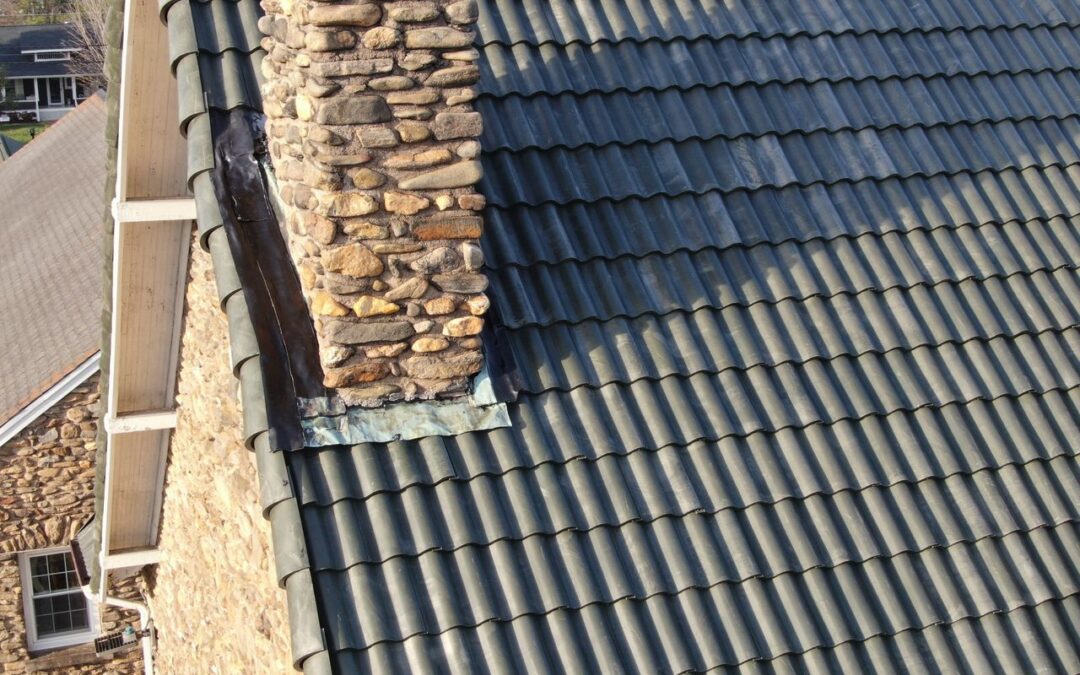
Hail can damage a Marietta roof long before a leak becomes obvious inside the home. That is why homeowners should not wait for stained ceilings or dripping attic insulation to take action. In North Georgia, severe spring and summer storms can produce hail, high winds, and heavy rain that weaken shingles, dent metal components, and shorten the life of an otherwise sound roofing system. If you want to protect your home, lower the risk of costly repairs, and be ready for the next storm, the smartest move is to know what hail damage looks like and what steps to take right away.
Marietta hail damage to roofs is often difficult to spot from the ground. A roof may appear intact from the driveway while hail damaged shingles, bruised underlayment, loosened flashing, and dented vents are already creating hidden vulnerabilities. Think of it like a bruise on fruit at the grocery store: the outside may not look terrible at first glance, but the impact beneath the surface can quickly spread. The same is true for a roof after a Georgia hailstorm.
This guide explains how hail affects roofs in Marietta, what warning signs homeowners should watch for, how to approach a storm damage roof inspection, what to know about an insurance claim for hail damage, and what you can do now before the next Georgia storm rolls in.
Why Hail Damage Is a Real Concern in Marietta and Cobb County
Marietta and the greater Cobb County area regularly experience strong thunderstorms during the spring and summer months, when heat, humidity, and unstable air create the conditions for severe weather. These fast-building storms can bring intense wind gusts, lightning, torrential rain, and hail in a short period of time. For homeowners, that means a roof can take a major hit even during a storm that lasts only a few minutes.
Local storm timing matters. In late spring and summer, trees are fully leafed out, gutters may already be collecting debris, and older roofs are often exposed to prolonged UV wear before storm season peaks. When hail then strikes an aging or poorly maintained roof, the result can be granule loss, cracked shingles, punctures around vulnerable roof penetrations, and water intrusion that develops over time. That is why roof hail damage repair is such an important part of home maintenance in Marietta.
According to the National Weather Service, hail forms inside strong thunderstorms when powerful updrafts carry raindrops into extremely cold areas of the atmosphere, where they freeze and grow as additional water droplets attach and freeze before the hailstones fall. That scientific explanation matters because it highlights a key point for homeowners: if a storm is strong enough to create hail, it is strong enough to test every weak point in your roofing system.
The Insurance Information Institute has consistently reported that wind and hail are among the most common causes of property-related homeowners insurance claims in the United States. For Marietta homeowners, that means storm preparation is not just about preventing damage. It is also about protecting your finances, your insurability, and your ability to respond quickly when severe weather strikes.
How Hail Damages Different Roofing Materials
Hail does not affect every roof the same way. The severity of damage depends on hail size, wind speed, roof age, slope direction, and roofing material. A professional Georgia roofing contractor will assess each of these factors when evaluating a roof after a storm.
Asphalt Shingle Roofs
Asphalt shingles are common across Marietta neighborhoods, and they are especially vulnerable to hail impacts over time. Common signs include:
- Granule loss that exposes the asphalt layer below
- Soft bruises or impact marks that weaken the shingle mat
- Cracks, splits, or punctures in individual shingles
- Loosened sealing strips that make shingles more vulnerable to wind lift
Even small hail can reduce the lifespan of hail damaged shingles if the roof is older or already weathered.
Metal Roofs
- Dented panels, ridge caps, or flashing
- Damaged protective coatings that may later allow rust or corrosion
- Loosened fasteners or seams after hail and high winds
Some damage to metal roofing is cosmetic, but repeated impacts can still affect long-term performance.
Tile, Slate, and Other Premium Roofs
- Cracked, chipped, or broken tiles
- Dislodged roofing components that expose underlayment
- Hidden fractures that worsen under future temperature changes and storm stress
Because tile and slate damage is not always obvious from the ground, a storm damage roof inspection is especially important after hail events.
Cosmetic vs. Functional Hail Damage
One of the most important concepts for homeowners to understand is the difference between cosmetic hail damage and functional hail damage. Cosmetic damage affects appearance without immediately reducing the roof’s water-shedding ability. Examples include dents in metal gutters or minor surface marks on certain roofing materials. Functional damage, on the other hand, compromises the roof’s ability to protect the home. This includes cracked shingles, exposed matting, punctures, broken flashing, and bruising that accelerates deterioration.
This distinction matters because insurers and contractors may not always agree on the scope of loss. A homeowner may see only a few visible dents and assume the issue is minor, while a contractor may find impact damage that shortens the roof’s service life. Conversely, an insurer may classify some marks as cosmetic while the roofer emphasizes future failure risk. Clear documentation and a detailed inspection help bridge that gap.
Common Exterior Signs of Marietta Hail Damage to Roofs
After a storm, homeowners should complete a safe visual review from the ground. Do not climb onto the roof yourself. Instead, look for the following exterior warning signs:
- Dents on gutters, downspouts, mailbox tops, metal fencing, or garage doors
- Shingle granules collecting in gutters or near downspout exits
- Visible cracked, torn, curled, or missing shingles
- Damage to roof vents, flashing, skylight frames, or chimney caps
- Debris from nearby trees or branches scraping the roof surface
- Water overflowing from clogged gutters after the storm
If your gutters or soft metal surfaces show impact marks, there is a good chance the roof itself also sustained hail damage.
Warning Signs Inside the Home That Your Roof May Be Damaged
Not all hail-related roof damage shows up outside first. In many cases, the earliest clues appear indoors. This is especially true when a storm opens small pathways for water intrusion around flashing, vents, valleys, or weakened shingles.
- New ceiling discoloration or brown water stains
- Peeling paint near the top of walls
- Musty smells in the attic or upper rooms
- Damp insulation or visible attic moisture
- Condensation where it did not appear before
- Bubbling drywall or soft spots near skylights and chimneys
These signs can point to hidden moisture entering through storm-damaged roofing materials. If you notice any of them after a hail event, schedule a roof inspection immediately.
A Realistic Example of Hidden Roof Damage in Marietta
Consider a homeowner in Marietta who notices a heavy amount of shingle granules in the gutters after a spring hailstorm. From the yard, the roof still looks mostly normal, and there are no active leaks. A local roofing contractor performs a storm damage roof inspection and finds multiple areas of bruised asphalt shingles on the back slope, along with minor flashing damage around a roof vent. The hidden bruising has not caused leaks yet, but it has weakened the shingles enough that future storms will likely create failures. In that case, the homeowner may end up needing a partial roof replacement after hail rather than a small patch repair.
This kind of scenario is common in Georgia because storm damage often develops in stages. What looks minor in April can become a summer leak during the next heavy rain event.
What Homeowners Should Do Immediately After a Hailstorm
If your neighborhood gets hit by hail, respond quickly but safely. The first 24 to 72 hours after a storm are especially important for documentation and mitigation.
- Note the storm date and conditions. Save weather alerts, hail size reports, and photos of the storm if possible.
- Take ground-level photos. Document dents on gutters, siding, windows, outdoor furniture, fencing, and HVAC equipment.
- Check inside the home. Look for attic moisture, water stains, and any new odor or discoloration.
- Call a reputable local roofing professional. Schedule a prompt inspection with a Marietta or Georgia roofing contractor experienced in hail claims.
- Arrange temporary protection if needed. If there is an active leak or exposed area, ask about emergency roof tarping to prevent more water damage.
- Review your insurance policy. Check your deductible, claim deadlines, and any exclusions related to roof age or cosmetic damage.
Prompt action helps prevent a manageable problem from becoming a major repair.
Why a Professional Storm Damage Roof Inspection Matters
A professional inspection is essential because hail damage is often nuanced. Experienced roofers know how to tell the difference between normal aging, blistering, foot traffic marks, manufacturing defects, and true hail impacts. That level of expertise can make a major difference when deciding whether roof hail damage repair is sufficient or whether roof replacement after hail is the better long-term solution.
A thorough inspection may include:
- Close review of shingles, flashing, valleys, ridge caps, vents, and skylights
- Inspection of gutters, soft metals, and exterior accessories for impact evidence
- Attic evaluation for hidden leaks, ventilation issues, or trapped moisture
- Photo documentation of functional damage and affected roof slopes
- A written assessment with repair or replacement recommendations
Working with a local contractor is especially valuable because they understand Marietta weather patterns, common roof types in the area, and how local insurers often evaluate hail damage claims.
How to Prepare Documentation Before Filing a Claim
If you are considering an insurance claim for hail damage, organization is critical. The more complete your documentation, the easier it will be to support the condition of the roof and the extent of the storm-related loss.
- Take clear photos of all visible exterior damage from the ground
- Save interior photos of water stains, peeling paint, or attic moisture
- Keep copies of prior roof inspection reports and maintenance records
- Request a detailed contractor inspection report with photos and notes
- Save receipts for temporary repairs, emergency roof tarping, or water mitigation
- Write down the storm date, approximate time, and observed hail size if known
This information can help establish that the damage was tied to a specific storm event rather than long-term neglect or pre-existing wear.
How to Handle an Insurance Claim for Hail Damage
After the inspection confirms storm damage, contact your homeowners insurance provider promptly. Ask about the claim process, timelines, and what they need from you. Be prepared to share the storm date, contractor findings, and any photos you have collected.
When the adjuster schedules a visit, many homeowners choose to have their roofing contractor present. This can help ensure the inspector sees the same areas of concern identified during the contractor’s evaluation. While no contractor can guarantee claim approval, having a knowledgeable professional available can reduce confusion and help prevent missed damage.
Be cautious with out-of-town storm chasers who appear right after a severe weather event. A trustworthy Georgia roofing contractor should have local references, proof of insurance, a physical presence in the region, and a clear process for estimates, communication, and workmanship support.
Homeowners should also understand that not every claim leads to full roof replacement. Some policies cover repairable damage only, and some insurers distinguish between cosmetic and functional damage. That is why documentation, professional inspection findings, and policy review all matter.
Steps to Take Before the Next Georgia Storm Rolls In
The best way to reduce storm-related roofing problems is to prepare before severe weather arrives. Preventive maintenance cannot stop hail, but it can make your roof more resilient and make post-storm decisions easier.
1. Schedule a Preventive Roof Inspection
If your roof is several years old, have it inspected before peak storm season. Small weaknesses like lifted shingles or aging flashing often become major leak points during hail and wind events.
2. Repair Small Issues Early
Address loose shingles, failing sealant, damaged boots around vents, and minor flashing problems before they become expensive storm-related failures.
3. Clean Gutters and Downspouts
Water must move freely off the roof during Georgia downpours. Clogged gutters can force water back under roof edges and worsen damage after hail.
4. Trim Nearby Tree Limbs
Strong winds often accompany hailstorms. Trimming branches helps reduce the chance of scraping, punctures, and impact damage from falling limbs.
5. Review Insurance Coverage in Advance
Know your deductible and any roof-specific endorsements before storm season. Understanding your policy ahead of time can reduce stress if a claim becomes necessary.
6. Keep Roofing Records in One Place
Store warranties, inspection reports, invoices, and installation details so they are easy to access after a storm.
7. Ask About Impact-Resistant Materials
If your roof is aging, discuss stronger replacement options with a trusted contractor. Some newer products are designed to better withstand hail and repeated storm exposure.
Should You Repair or Replace a Hail-Damaged Roof?
The decision between repair and replacement depends on the extent of damage, the age of the roof, and the long-term value of each option. A few isolated damaged shingles may only require targeted roof hail damage repair. But if hail strikes multiple slopes, causes widespread bruising, or removes large amounts of protective granules, a broader repair plan or full roof replacement after hail may be the smarter investment.
Age matters too. If a roof is already nearing the end of its expected lifespan, patchwork repairs may only delay a larger issue. In those cases, replacement can provide better performance, stronger storm resistance, and fewer recurring maintenance costs.
Future Implications: Why Storm Preparedness Will Matter Even More
Looking ahead, Marietta homeowners should expect roof resilience to become even more important. Across the country, property owners and insurers are paying closer attention to severe weather frequency, roofing material durability, and claim trends. As storm-related losses continue to shape the insurance market, homeowners may face stricter underwriting, more policy scrutiny, and greater emphasis on documented maintenance.
That likely means annual roof inspections, better installation standards, and more interest in impact-resistant shingles will become standard practice rather than optional upgrades. Homeowners who stay proactive may be in a stronger position to reduce damage, support claims, and protect property value over the long term.
In Marietta, where seasonal storms can build quickly, the roof is no longer just a passive shelter overhead. It is a critical system tied directly to home durability, energy efficiency, resale value, and insurability.
Choosing the Right Roofing Contractor in Marietta
If you suspect hail damage, choose your contractor carefully. Look for a company with local experience, positive reviews, proof of liability coverage, and a documented inspection process. Ask whether they handle roof hail damage repair, partial replacement work, full roof replacement after hail, and emergency roof tarping when active leaks are present.
A reputable contractor should be willing to explain the difference between cosmetic and functional damage, show photo evidence, and provide honest recommendations without high-pressure sales tactics. In storm recovery, clarity and trust matter as much as craftsmanship.
Final Thoughts
Marietta hail damage to roofs is a serious but manageable issue when homeowners act early. By understanding the signs of hail damage, scheduling a professional storm damage roof inspection, documenting problems thoroughly, and preparing before storm season, you can reduce the risk of major water intrusion and expensive surprises. Whether you need a small repair, emergency roof tarping, or a full roof replacement after hail, early action gives you better options.
If your home has recently been through a hailstorm, or if your roof has not been inspected in some time, now is the right moment to schedule a local professional evaluation. Taking that step before the next Georgia storm season can help protect your home, your budget, and your peace of mind.