
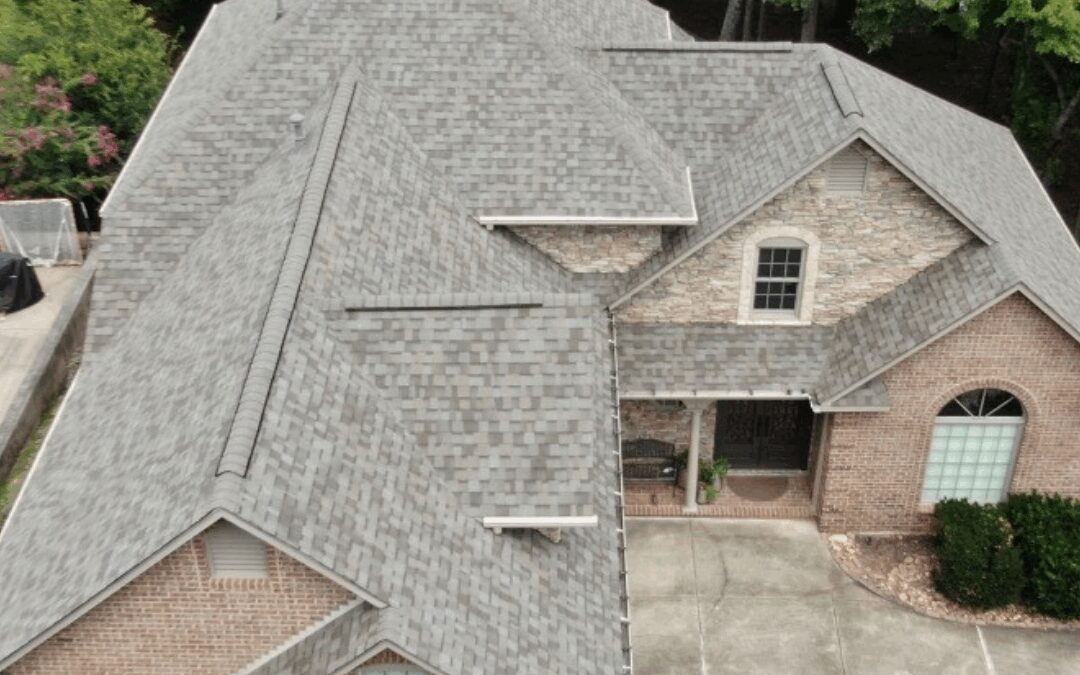
A manufacturer vs workmanship roof warranty comparison boils down to what fails and who fixes it. A manufacturer warranty covers product defects in roofing materials, while a workmanship warranty covers installation and code-compliance errors by the contractor. Claims go to the brand vs the installer, respectively. Most homeowners benefit from having both for complete protection.
- At a glance — who provides it: Manufacturer warranty = roofing brand; Workmanship warranty = your contractor.
- What it covers: Materials defects (manufacturer) vs labor/installation errors (workmanship).
- How claims are filed: Brand claim portal vs contacting your installer for inspection and remedy.
What are the key differences between manufacturer and workmanship warranties?
| Manufacturer Warranty | Workmanship Warranty | |
|---|---|---|
| Provider | Roofing brand (e.g., shingle or membrane manufacturer) | Roofing contractor/installer who performed the work |
| Coverage scope | Defects in roofing materials/components | Installation and code-compliance errors attributable to the installer |
| Typical term | Limited lifetime for many architectural shingles with an initial non-prorated period; varies by product line | 2–10 years standard; up to 25 years when installed by factory-certified crews under enhanced programs |
| Labor coverage | May cover labor during the initial non-prorated period or with enhanced/system warranties | Labor to correct installation mistakes; interior damage coverage may be included or capped by the contractor’s policy |
| Claim path | File through the brand’s warranty portal; inspection may be required | Contact the installing contractor for diagnosis and remedy |
| Transferability | Often transferable once within a defined window (e.g., 60–90 days) and fee | Varies by contractor; may or may not be transferable |
| Eligibility/registration | Registration may be required; enhanced plans demand certified installation and full-system components | Defined by contractor agreement; sometimes tied to manufacturer certification programs |
| Top exclusions | Storm damage, improper ventilation, third-party penetrations, maintenance neglect | Weather events, third-party damage, product manufacturing defects |
What Is a Manufacturer Roof Warranty?
A manufacturer warranty (also called a materials warranty) protects you against defects in the roofing products themselves—shingles, membranes, underlayment, and approved accessories. Many architectural asphalt shingles in the U.S. carry a limited lifetime term with a defined initial non-prorated “protection” window (commonly 10–15 years) after which coverage becomes prorated. For example, a plan may provide 100% coverage of materials and eligible labor during years 1–10, then step down to a declining percentage from year 11 onward; specific percentages and whether labor is included depend on the enhanced tier selected. Always read the current warranty PDF because terms vary by brand, product, and program.
Enhanced or system warranties generally require installing a complete branded system—matching underlayment, starter, hip/ridge, and approved attic ventilation—by a factory-certified contractor and registering the job. These tiers can expand non-prorated coverage and add labor for eligible failures when installation and documentation meet program rules.
Common performance add-ons include wind and algae terms. Wind coverage is frequently listed in the 110–130 mph range when specific nailing patterns and starter courses are used and shingles have sealed. Algae-discoloration coverage is typically 10–15 years on qualifying products in eligible regions. These numbers vary by product line and brand, so verify details on the brand’s site.
For clarity and examples, review major brands’ warranty pages and PDFs (terms differ by program and change over time): GAF warranties, Owens Corning roofing warranties, and CertainTeed warranties. Always read the current warranty PDF before purchase or registration.
Enhanced manufacturer warranties increasingly require: on-site photos of deck prep and components, job registration within a set window, and strict adherence to installation instructions for every component (fasteners, flashing, ventilation calculations). Skipping any of these can affect eligibility or claim outcomes.
What Is a Workmanship Roof Warranty?
A workmanship warranty (also called a labor warranty) is provided by the contractor and covers installation errors and code noncompliance attributable to the installer. It does not cover weather, third-party damage (e.g., satellite or solar installers), or manufacturer product defects.
Typical workmanship terms range from 2–10 years, with some enhanced, manufacturer-backed programs extending workmanship protection up to 25 years when installed and registered by factory-certified crews. Some contractors include limited interior damage coverage for leaks caused by their installation errors; others cap it or exclude it. Confirm the scope, caps, and response times in writing. When a contractor corrects an issue, save the code references or manufacturer instruction citations they used; this documentation can expedite future claim reviews and approvals.
Analogy: Automaker vs Dealer Labor
Think of a roof like a new car. The automaker covers defects in parts (manufacturer warranty), while the dealer guarantees its labor if a repair is performed incorrectly (workmanship warranty). Even a premium shingle can fail prematurely if misapplied—just as a performance tire can fail if mounted or torqued incorrectly.
Roof Warranty vs Homeowners Insurance
Warranties address defects and installation errors, while insurance addresses sudden, accidental events; use both when appropriate. Consider the following examples and next steps when deciding whether to pursue a warranty claim or an insurance claim. Do not dispose of damaged materials until inspections are complete, and notify your insurer before making permanent repairs.
- Warranty-eligible examples: Premature shingle cracking validated as a manufacturing defect; leaks from reversed step flashing; ridge vent installed against manufacturer instructions.
- Insurance-eligible examples: Hail impact bruising and granule loss; windstorm tearing shingles beyond wind rating; tree limb puncturing the roof during a storm.
- When uncertain: Document everything (photos, dates, weather reports) and contact your contractor and insurer. Let inspections determine cause and path.
Contact us today if you have questions about our roof warranty!
Transferability and Resale Value
Many manufacturer warranties are transferable one time to a new owner within a defined window (commonly 60–90 days after sale) and may require a fee and registration update. Workmanship transferability varies by contractor; some allow a one-time transfer, others do not. Gather closing documents, warranty certificates, photos, and registration confirmations to maintain continuity. Include the date of sale, buyer contact information, and any required transfer fee receipt in your transfer packet to avoid coverage gaps.
Transferable coverage can boost buyer confidence, support appraisals, and reduce post-sale disputes. Ask your contractor to list transfer steps in your final packet.
What Roof Warranties Typically Do Not Cover
- Storm or “act of God” damage (hail, hurricane, tornado) and wind beyond the stated warranty limit
- Third-party penetrations or damage by other trades (satellite, solar, HVAC, pest removals)
- Improper maintenance or neglect (debris buildup, clogged gutters, unaddressed minor issues)
- Ponding water on low-slope areas beyond acceptable timeframes for the system
- Mismatched, non-approved components in a registered system warranty
What voids a roof warranty?
- Inadequate attic ventilation (failing to meet 1:150 or 1:300 net free ventilation area with balanced intake and exhaust)
- Unapproved overlays (e.g., installing new shingles over saturated/unsuitable existing layers)
- Pressure washing asphalt shingles, which can strip granules
- Harsh chemical roof cleaning (strong solvents or chlorine mixes) beyond manufacturer guidance
- Mixing brands/components in a system warranty that requires matched accessories
- Unauthorized penetrations (solar/satellite) without approved flashed kits and sealants
For ventilation fundamentals, consult NRCA’s technical guidance on balanced intake and exhaust and the 1:150 and 1:300 rules of thumb: NRCA Roofing Manual.
Impact resistance, UL 2218, and insurance discounts
UL 2218 Class 4 impact-rated shingles are designed to resist damage from standardized impact tests and may qualify for insurance premium discounts in some states. Impact rating does not mean hail damage is covered under a warranty; hail is an insurance matter. Some finish warranties also exclude salt-spray exposure within specified coastal distances—homeowners near coasts should verify coastal exclusions with the manufacturer. See IBHS FORTIFIED guidance on resilient roof upgrades and potential insurance benefits: IBHS FORTIFIED Roof.
How to Keep Your Roof Warranty Valid
Timely registration is critical—many brands require registering within 30–60 days of installation for enhanced coverage. Keep a dated maintenance log with photos, invoices, and inspection notes to demonstrate care and support any future claim.
Seasonal maintenance checklist (spring and fall)
- Clean gutters and downspouts; verify proper drainage (homeowner or roofer on steep/complex roofs)
- Inspect step, apron, and counter-flashing; look for gaps or reversed laps (roofer)
- Check sealant at penetrations (plumbing stacks, vents, skylights) and re-seal as needed (roofer)
- Look for lifted tabs, missing shingles, exposed fasteners, and nail pops (homeowner visual; roofer repair)
- Trim overhanging branches at least 6–10 feet from the roof edge where safe and allowed (professional arborist recommended)
- Photograph roof surfaces, flashings, and attic areas to create a dated maintenance log (homeowner + roofer)
- After severe weather, schedule a safety inspection to document conditions for insurance or warranty claims (roofer)
Note which tasks require a licensed roofer to avoid safety risks and to preserve workmanship coverage.
Documents to Keep
- Signed contract and scope of work
- Permit and final inspection approvals
- Paid invoices and proof of purchase
- Product labels and shingle bundle wrappers with lot numbers
- Lot/serial numbers for underlayment, ridge/hip accessories, and vents
- Ventilation calculations and layout (intake/exhaust NFVA)
- Warranty registration confirmation email or certificate
- Photo log of deck prep, underlayment, flashing, and final roof
- Any third-party inspection or drone reports
How to File a Roof Warranty Claim
- Day 0 — Notify: Contact your installer (workmanship) or the brand (manufacturer). Record date/time.
- Day 3–7 — Schedule inspection: Expect roof and attic inspections to verify installation details, ventilation, and product identification.
- Before documentation — Preserve evidence: Keep samples of damaged materials when safe, and pause non-emergency repairs until the contractor or brand captures photos.
- Day 10 — Submit documentation: Upload photos, proof of purchase, registration, and maintenance log to the claim portal or contractor.
- Brand evaluation window: The manufacturer reviews evidence and may send a field rep or request more photos; timelines vary by brand and season.
- Resolution options: Repair, material replacement, partial proration, or denial with stated reasons. For workmanship, the contractor should correct the issue per written terms.
Photo tips: Provide wide, medium, and close-ups; include shingle course counts, nailing patterns where visible, flashing laps, ridge/hip details, attic shots of decking/stains, and ventilation components (soffit intake, ridge/exhaust).
Regional and Code Considerations
- Florida HVHZ/Miami-Dade NOA: Use products with Notice of Acceptance where required; follow high-wind fastening patterns and approved underlayments.
- High-wind regions: Enhanced nailing (6 nails per shingle), starter strip requirements, and sealed edges may be prerequisites for stated wind coverage.
- Northern climates: Ice barrier (ice-and-water shield) at eaves per code to mitigate ice dam leaks.
- Energy codes: Some jurisdictions require cool-roof materials (e.g., California Title 24 zones), which can affect eligible product selection and warranty terms.
- Code compliance: Meeting local code is part of warranty eligibility and claim validation.
Roof Warranties for Metal and Low-Slope Residential Areas
Residential metal typically carries a materials/finish warranty (e.g., paint system, coating, corrosion) with terms like 20–50 years depending on substrate and finish. Commercial-style “weathertightness” warranties are less common in residential settings and require specific assemblies and certified installers. For low-slope residential areas (porches/additions in TPO/EPDM/modified bitumen), terms depend on the membrane manufacturer, details at penetrations, and whether registered as a system with an approved contractor. Workmanship coverage is set by the installer or by enhanced programs tied to certification. In coastal environments, finish warranties may include exclusions or stricter maintenance requirements; always confirm distance-to-coast limitations and required care procedures.
Cost: Are Enhanced or System Warranties Worth It?
Expect enhanced or system warranty upgrades to add approximately 2–7% to the total project cost, depending on market, brand, and the documentation/certification required, and note that registration or administration fees may be separate and should be itemized on the estimate. Ask your contractor to quote standard and enhanced options side-by-side, including what labor is covered, non-prorated duration, and transfer rules.
Example Scenarios: What Gets Covered?
- Year 2 leak at dormer step flashing: Investigation finds reversed laps. This is an installation error covered by the workmanship warranty, which should address the roof repair and any interior damage per the contractor’s written policy.
- Year 7 shingle cracking and granule loss: If the brand confirms a manufacturing defect and ventilation meets specs, the manufacturer warranty may cover materials and, under an enhanced plan, some labor during the non-prorated or specified period.
- Year 9 hailstorm bruising: Hail is an insurance claim, not a warranty matter. Document and contact your insurer.
- Premature aging from poor ventilation: Attic lacks balanced intake/exhaust and fails 1:300 NFVA. Both manufacturer and workmanship coverage may be limited or denied because ventilation requirements were not met.
- Mixed-cause event (storm + misinstall): A windstorm dislodges shingles at a dormer, revealing reversed step flashing. After a joint inspection, the insurer covers the storm damage while the contractor corrects the flashing under the workmanship warranty.
How to Read and Compare Roof Warranties
Request the exact documents before you sign and have your contractor highlight proration schedules, wind/algae terms, labor coverage, transfer steps, maintenance requirements, and registration responsibilities. Compare brands and programs side-by-side and always read the current warranty PDF.
Red flags to watch for
- No written workmanship terms or response-time commitment
- Non-transferable coverage or complex transfer rules with short windows
- Vague exclusions that leave room for denial
- No proof of registration for enhanced/system warranties
- Refusal to provide product data sheets or installation instructions
Where to find the warranty PDFs
- Visit each brand’s product pages and warranty portals to access the current PDFs.
- Download and save local copies with your project records and registration confirmation.
How to find credentialed installers near you
- Search “certified roofing contractor + [your city]” and verify credentials on manufacturer directories.
- Ask for proof of current factory certifications and insurance (general liability and workers’ compensation).
- Request 3–5 recent local references and jobsite photos tied to warranty registrations.
- Confirm who registers the warranty (contractor vs homeowner) and request written confirmation once registration is complete.
FAQs
Does a roof warranty cover leaks? Yes, when the cause is covered—manufacturer warranty for confirmed product defects; workmanship warranty for installation errors. Weather-related leaks are insurance claims.
Will installing solar void my roof warranty? It can if penetrations are not made with approved flashed kits or if the installer damages materials. Coordinate with your roofer and follow manufacturer instructions to preserve coverage.
What voids a shingle warranty? Inadequate ventilation, mixing non-approved components, improper installation, unauthorized penetrations, and aggressive cleaning (e.g., pressure washing) are common causes.
Are roof warranties transferable more than once? Many manufacturer warranties allow a one-time transfer within a set window (60–90 days) and fee. Additional transfers are uncommon; workmanship transfers depend on the contractor.
Do I need yearly inspections to keep my warranty? Some enhanced programs require periodic inspections or documented maintenance. Even when not required, annual or post-storm inspections help validate claims.
How long is a workmanship warranty? Typically 2–10 years, extending up to 25 years for installations by factory-certified contractors under enhanced programs.
What is a system warranty vs a standard warranty? A system warranty adds coverage when approved components are installed by certified contractors and registered, often expanding labor and non-prorated terms compared to standard materials-only coverage.
How do I prove improper installation? Provide photos of flashing laps, nailing patterns, ridge/hip details, attic stains, and documentation showing deviations from the manufacturer’s instructions or code.
Does a manufacturer warranty cover workmanship by a different contractor? No. Manufacturer warranties do not cover unrelated labor errors. Workmanship issues should be addressed by the installer’s warranty or the contractor who performed the work.
Related resources
Disclosure and citations
Warranty terms vary by brand, product, region, and contractor program; always verify the current warranty document before purchase. This article is informational and not legal advice; the official warranty document governs coverage decisions.
- GAF roofing warranties
- Owens Corning roofing warranties
- CertainTeed roofing warranties
- NRCA Roofing Manual (ventilation and best practices)
- IBHS FORTIFIED Roof (resilience and insurance considerations)
Summary
A manufacturer warranty covers product defects in roofing materials; a workmanship warranty covers installation errors by the contractor. Having both, registering on time, following installation and ventilation requirements, and maintaining a photo-documented inspection log provide the strongest protection and the smoothest path to claims approval. In short, materials warranties cover product defects, workmanship warranties cover installation errors, and a documented maintenance routine supports successful claims