
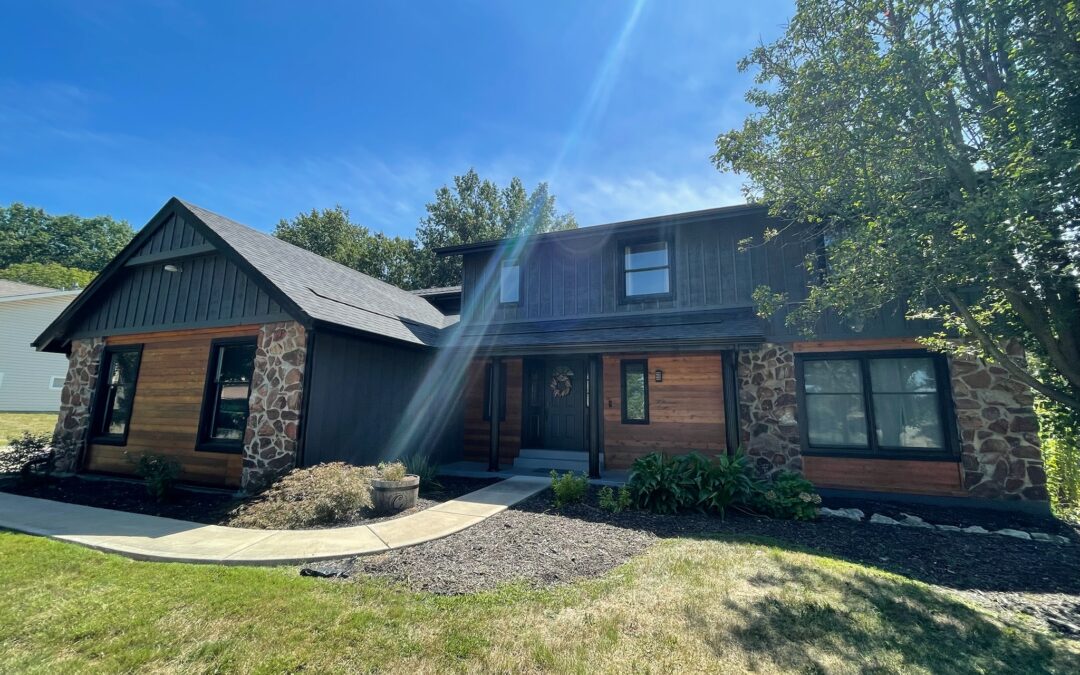
Roof warranty registration is the process of submitting your installation, product, and contractor details to activate coverage with the manufacturer, ensuring your roof system warranty is on record for faster claims, easier roof warranty transfer, and smoother support in the storm-prone South.
If you live in the American South—Florida, Texas, Georgia, the Carolinas, Louisiana, Alabama, Mississippi, Tennessee, Arkansas, or Oklahoma—your roof faces heat, humidity, hurricanes, hail, and high winds. Roof warranty registration isn’t just paperwork; it’s the fastest path to help when storms strike and the foundation of a strong roof system warranty and smooth roof warranty claim.
On this page
- How to register your roof warranty (quick steps)
- What is a roof warranty, exactly?
- Why registration matters more in the South
- What you need before you register
- State and climate-specific tips for Southern homeowners
- Metal, tile, and flat roof warranty differences
- Where to register your roof warranty (top brands)
- Deadlines, proration, and proof
- A Southern-focused walkthrough
- Common mistakes to avoid
- Hurricanes, hail, and wind coverage
- Workmanship warranties in the South
- Transferability: selling or buying a home
- Filing a warranty claim
- Analogy
- Troubleshooting registration issues
- FAQs
- Glossary of roof warranty terms
- Seasonal maintenance calendar for Southern roofs
- Southern homeowner checklist (save this)
- Future outlook
- Call to action
- Sources
How to register your roof warranty (quick steps)
To register your roof warranty, confirm your warranty type, gather invoices and product details, then submit your roof warranty registration on the manufacturer’s portal within 30–60 days. Upload proof of eligible components, save your certificate, and document ventilation—if you get stuck, see Troubleshooting below.
Estimated time: 10–15 minutes • Cost: $0 for standard registration • Upgrades vary by brand.
- Confirm your warranty type: Manufacturer (materials) and contractor (workmanship).
- Gather documentation: Contractor info, install date, invoice, product/lot numbers, photos.
- Find the registration portal: Use the brand’s online warranty registration page.
- Enter project details: Property address, system components, and squares.
- Upload proof: Receipts, photos, and permit number if requested.
- Submit on time: Usually within 30–60 days of installation.
- Save confirmation: Keep the certificate and confirmation email safely.
- Create reminders: Create a calendar reminder for annual inspections and re-check transfer rules if you plan to sell within the next 2 years.
At-a-glance documents checklist
- Itemized invoice
- Installation date
- Contractor license/credentials
- Product line and color
- Accessory component list (starter, underlayment, ridge cap, vents)
- Before/after and close-up photos
- Permit number (if applicable)
What is a roof warranty, exactly?
Most roofs include two protections:
- Manufacturer warranty (materials): Covers defects in shingles, tiles, metal panels, underlayment, or system accessories. Often labeled a limited lifetime roof warranty.
- Workmanship warranty (labor/installation): Issued by your roofing contractor. Covers installation errors for a set term and is sometimes backed by the manufacturer if installed by a certified pro.
“Limited lifetime” generally means coverage lasts for the useful life of the product under normal conditions, with exclusions and a proration schedule that reduces benefits as the roof ages. Many enhanced “roof system warranty” programs require branded accessories (starter, ridge cap, underlayment, and vents) from the same manufacturer to unlock stronger non-prorated periods. Base limited lifetime coverage typically excludes tear-off and disposal unless you purchase an upgraded tier that adds labor or tear-off benefits.
Why registration matters more in the South
Southern roofs endure extreme UV, tropical moisture, rapid temperature swings, and high-wind/hail events. Registering your roof warranty creates a verifiable record of installation date, components, and contractor credentials, which helps with roof warranty transfer and speeds any roof warranty claim after hurricanes or severe storms.
In addition, homeowners in hurricane and hail-prone counties frequently choose Class 4 impact-resistant shingles and elevated wind designations. When you register roof warranty details for a complete system, your roof system warranty is easier to validate, and some manufacturers may allow upgraded non-prorated terms compared to a basic limited lifetime roof warranty. For resilience guidance and risk context, see IBHS FORTIFIED Roof standards and NOAA’s hurricanes overview for the Southeast and Gulf regions. Some insurers also provide premium credits for Class 4 impact-resistant shingles when you properly document the product during registration.
IBHS FORTIFIED Roof | NOAA: Hurricanes overview
What you need before you register
- Roofing contractor’s business name, license, and contact (verifies pro credentials)
- Installation date and total squares (establishes coverage start and size)
- Manufacturer, product line, and color (ties to specific warranty terms)
- Accessory components used (confirms system eligibility and wind ratings)
- Lot/serial or bundle numbers (traceability for materials batches)
- Itemized invoice or contract (proof of purchase and scope of work)
- Before-and-after photos plus close-ups (documents proper installation details)
- Permit number, if required (links to local code compliance records)
- Property owner’s name(s) as on deed (ensures accurate certificate names)
Pro tip: Ask your contractor to provide a one-page summary with these details at project completion. Many certified contractors will submit the manufacturer’s roof warranty registration for you—request the certificate to confirm.
State and climate-specific tips for Southern homeowners
- Gulf Coast (FL Panhandle, AL, MS, LA, TX coast): Prioritize high-wind ratings and compliance with Florida Building Code and, where applicable, Miami-Dade NOA approvals. Incorporate FORTIFIED best practices like a sealed roof deck, ring-shank nails, and a secondary water barrier to improve performance and documentation.
- Tornado and hail alley (TX, OK, AR, TN): Consider UL 2218/Class 4 shingles and impact endorsements from insurers (ask your carrier about impact-resistant endorsements and what documentation is required at registration).
- Atlantic coastal plains (GA, NC, SC): Use high-wind nailing patterns, roof deck attachment upgrades, and algae-resistant shingles for humid summers.
- Inland humid South (GA, AL, MS): Emphasize balanced attic ventilation and moisture control to protect shingle life and maintain eligibility under a roof workmanship warranty.
See Florida Building Code and Miami-Dade NOA resources in the Sources section for recognized approvals and technical guidance.
Metal, tile, and flat roof warranty differences
Metal roofing warranties
- Finish warranties often cover chalk and fade to specific Delta-E limits.
- Fastener type and substrate (galvalume vs. galvanized) can affect terms.
- Oil-canning (panel waviness) is generally cosmetic and not covered.
- Cut-edge corrosion and dissimilar metal contact may be excluded.
- Verify whether coastal installations require special coatings or setbacks.
- Some warranties exclude installations within a specified distance of salt spray lines; follow the manufacturer’s coastal installation guides.
Tile roofing warranties
- Underlayment longevity and flashing details are critical in humid climates.
- Breakage from foot traffic or improper walking is typically excluded.
- Fastener corrosion resistance and uplift ratings influence coverage.
- Manufacturer may require approved foam or mechanical fastening methods.
- Mortar-set versus foam-set methods can carry different warranty terms and wind uplift performance criteria.
- Annual inspections help catch slipped tiles and prevent leak escalation.
Low-slope/flat roofing warranties
- Membrane seam integrity and flashing terminations are primary coverage points.
- Ponding water clauses often limit coverage beyond 48 hours of standing water.
- Routine inspections and maintenance logs may be required to keep coverage valid.
- Penetrations added after installation must be flashed by approved contractors.
- Warranties can be materials-only, labor-only, or NDL (no dollar limit) tiers.
- NDL warranties typically require approved contractors and periodic inspections to remain in force.
See technical and warranty resources in the Sources section for Tile Roofing Industry Alliance and Metal Construction Association guidance.
Where to register your roof warranty (top brands)
The following popular manufacturers offer online portals to register roof warranty coverage and manage roof system warranty upgrades: GAF, Owens Corning, and CertainTeed. Portal deadlines may be tied to your invoice or installation date—use the earliest date to be safe and bookmark your certificate email for quick access later. Visit the manufacturer portals listed in the Sources section to review eligibility, proration schedules, and transfer rules.
Deadlines, proration, and proof: what to expect
Most manufacturers request registration within 30–60 days of installation. Keep your invoice, photos, and the final paid receipt, then save your emailed certificate and store a PDF copy in cloud storage.
Proration schedules typically reduce materials coverage after an initial non-prorated period—often stepping down after year 10–15 in defined increments. Some brands prorate based on material age while labor coverage (if included) may end earlier than materials coverage. Registering a qualified roof system warranty can extend the non-prorated period and, in higher tiers, may include labor or tear-off coverage that base limited lifetime terms don’t provide. If a portal asks for both invoice and installation date, use the earliest date to avoid missing the window.
What happens if you miss the registration window?
- You may default to base coverage with shorter or more heavily prorated benefits.
- Appeal options sometimes exist through your certified contractor; ask them to contact the manufacturer.
- If a late registration is accepted, submit invoices, photos, permit numbers, and an installer affidavit if requested.
A Southern-focused walkthrough (from start to finish)
- Choose products and a pro: In hurricane or hail zones, seek impact-resistant shingles or high-wind systems and hire a manufacturer-certified contractor.
- Collect documents on install day: Get a detailed invoice, component list by brand, and license/insurance proof (see the detailed document checklist).
- Photograph critical details: Underlayment, ice/water shield at eaves/valleys, starter, flashing, ridge vent, and the final roof.
- Register online: Enter address, install date, contractor credentials, and product information; upload proof if prompted.
- Save everything: Store the certificate, permit, and photos in a “Roof Warranty – [Year]” folder.
- Schedule maintenance: Set reminders for semiannual inspections and gutter cleaning before storm season.
Example: A Georgia homeowner installs Class 4 shingles in May and completes roof warranty registration within 30 days. In August, a wind event lifts shingles on a ridgeline. During the insurance review, the homeowner emails the certificate and install photos, which verify the roof’s age and components. The claim verification moves faster thanks to accurate registration records.
Common mistakes that void or weaken roof warranties
- Mixing accessories from multiple brands when a system warranty requires matched components.
- Inadequate attic ventilation causing heat buildup and premature shingle aging.
- Unapproved overlays or DIY fixes that don’t meet manufacturer specs.
- Pressure washing shingles, which removes protective granules.
- New penetrations (solar, satellite, HVAC) without proper flashing.
- Ignoring algae-resistant requirements in humid/coastal areas.
- Skipping required hip/ridge caps from the same brand in a system warranty.
- Failing to register transfers within 30–60 days of home sale.
- Using too few nails or incorrect nail placement, which can void wind coverage under many warranties.
Hurricanes, hail, and wind: what’s really covered?
Manufacturer warranties cover defects in materials—not storm damage or “acts of God.” Wind coverage has limits by product and installation method; hail impact is typically excluded unless a product is specifically rated and covered. Cosmetic hail damage to metal (without perforation or functional impairment) is often excluded, and insurers may require an impact-resistant endorsement for premium credits.
Workmanship warranties in the South
Installation quality drives roof longevity in heat, humidity, and storms. Ask for a written roof workmanship warranty that specifies term length, covered leak sources, response time, maintenance responsibilities, exclusions, and transferability. Verify whether your installer is manufacturer-certified so you’re eligible for system-backed workmanship tiers. Ask how the workmanship warranty applies to future solar installs and who is responsible for re-flashing any new penetrations.
- Specify leak coverage for flashings, vents, and penetrations.
- State response time for leak calls after severe weather.
- Clarify owner maintenance (gutter cleaning, debris removal).
- Confirm whether leak response after named storms is prioritized and what the dispatch timeline is.
Transferability: selling or buying a home?
Transferable roof warranty terms often require strict steps. Follow the process below to avoid losing eligibility.
Seller mini-process
- Gather the certificate, invoice, and photos before listing.
- Notify the manufacturer within 30 days of closing and submit the transfer form.
- Pay any transfer fee required and get written confirmation.
Buyer mini-process
- Request the warranty certificate during the option/inspection period.
- Confirm transfer eligibility in writing with the manufacturer.
- File the transfer form promptly and keep a copy of approval.
Note: Some warranties are one-time transferable only and require the new owner to register within the stated window to keep coverage intact.
Filing a warranty claim
- Document the issue: Photos/video of leaks, missing shingles, or granule loss.
- Locate paperwork: Registration certificate, invoice, and install photos.
- Contact the right party: Manufacturer for material defects; contractor for installation errors.
- Follow instructions: You may need inspection reports, lot numbers, or an approved service contractor.
- Coordinate with insurance: For storm losses, file an insurance claim alongside warranty steps.
- Organize communications: Create a single email thread titled “Roof Warranty Claim – [Address]” and attach all documents for faster handling.
Keep damaged materials until an adjuster or manufacturer rep inspects, unless safety requires immediate disposal.
Analogy: your roof warranty is like a vehicle title
Registering your roof warranty is like registering a new pickup’s title in Texas. Until the title is in your name on file, proving ownership and getting help after an incident is harder. Keeping your registration certificate handy is like storing your truck’s insurance card in the glovebox.
Troubleshooting registration issues
If the portal or paperwork gives you trouble, use this quick path to resolution.
- Portal errors: Switch browsers, clear cache, or try incognito; screenshot error codes.
- Mismatched contractor license: Verify the exact license number and spelling on your invoice.
- Missing product codes: Photograph bundle labels or request lot numbers from your supplier.
- Late submissions: Ask your certified contractor to escalate with the manufacturer and include a timeline.
- Contact warranty support: Call the manufacturer’s warranty department, provide your case number, and email all documents in one thread.
- Document support: Request a case number, log call dates/times, and save support emails as PDFs.
FAQs
Do I have to register my roof warranty?
Many manufacturers require roof warranty registration for enhanced or system coverage; base benefits may apply automatically but with reduced terms.
Can I register a roof warranty after the deadline?
Sometimes. You may default to base coverage, but a certified contractor can often appeal. Provide invoices, photos, and a timeline when you request late acceptance.
How do I check if my roof warranty is registered?
Call the manufacturer’s warranty department with your address and installation date, or ask your contractor for the confirmation certificate.
Does a DIY roof replacement qualify for a roof warranty?
Most manufacturers limit coverage or deny roof system warranty tiers for DIY installations. Using a certified contractor typically unlocks better benefits.
What’s the difference between a roof system warranty and a workmanship warranty?
A roof system warranty focuses on materials and approved components, while a workmanship warranty covers installation errors by the contractor.
Are Class 4 impact-resistant shingles worth it in the South?
In hail belts and wind-prone areas, Class 4 shingles can reduce damage and may qualify for insurer credits—verify with your carrier and document the product at registration.
Is storm damage covered by a roof warranty?
Usually no. Manufacturer warranties cover defects, while storm losses are handled through homeowners insurance.
How long do I have to register?
Often 30–60 days after installation, but check your manufacturer’s terms.
Can I transfer my warranty when I sell?
Many offer a transferable roof warranty with deadlines and fees. File within 30–60 days of closing to keep eligibility.
Do algae streaks void coverage?
No, but use AR-rated shingles in humid zones and follow cleaning guidance to avoid damaging granules.
Does roof warranty registration affect home resale value?
Yes. A documented registration and transferable roof warranty can increase buyer confidence, simplify disclosures, and support appraisals in competitive Southern markets.
Can I register a roof warranty if I didn’t install all branded accessories?
Usually you’ll receive base materials coverage. Roof system warranty tiers typically require matched accessories from the same brand to qualify for enhanced terms.
Glossary of roof warranty terms
- Limited Lifetime: Coverage for the product’s useful life with exclusions and proration.
- Proration: A schedule that reduces coverage value as the roof ages.
- Non-prorated period: Initial span with full or higher coverage before proration starts.
- Tear-off: Removing old roofing; sometimes covered in upgraded tiers.
- Underlayment: Water-shedding layer beneath shingles/tiles/metal panels.
- Algae-resistant (AR): Shingles with copper/biocides to reduce dark streaks.
- UL 2218: Impact-resistance rating; Class 4 is the highest level for shingles.
- High-wind nailing: Specified nail count and placement for wind ratings.
- Miami-Dade NOA: County product approval for high-wind/hurricane performance.
- Transfer fee: Fee some manufacturers charge to transfer coverage to a new owner.
- NDL (No Dollar Limit): A warranty type that limits liability by scope but not by a dollar cap, typically requiring approved installers and inspections.
Seasonal maintenance calendar for Southern roofs
- Q1 (Jan–Mar): Clean gutters, check soffit/attic ventilation, inspect flashing after winter fronts.
- Q2 (Apr–Jun): Pre-hurricane/tornado-season inspection, trim branches, document the roof with photos.
- Q3 (Jul–Sep): After major storms, photograph any changes, clear debris, and check ridge/hip caps; during heat waves, check attic temperatures and watch for blistering or excessive granule loss.
- Q4 (Oct–Dec): Moss/algae prevention where humid, ensure attic moisture control, schedule annual pro inspection.
Southern homeowner checklist (save this)
- Use one brand where required to qualify for a roof system warranty.
- Hire a licensed, insured, manufacturer-certified roofing contractor.
- Photograph underlayment, starter, flashing, ridge vents, and finished roof.
- Register within 30–60 days and save the certificate in cloud storage.
- Schedule annual inspections before hurricane/tornado season.
- Document post-storm conditions and start any roof warranty claim promptly.
- Start roof warranty transfer paperwork immediately after closing.
Future outlook: roof warranties and the changing Southern climate
- Digital-first registration: QR codes on bundles/panels to auto-populate lot numbers.
- Photo and drone verification: More programs may require photographic proof of system components.
- Stricter ventilation standards: Hotter summers will elevate attic airflow requirements.
- Impact and high-wind tiers: Clearer upgrade paths for Class 4 and high-wind systems.
- Faster claims with permitting data: E-signatures and permit records will streamline claims and transfers.
- Insurer-driven product requirements: Expect more carriers in hail belts to require impact-resistant shingles for policy discounts or renewals.
- Wider FORTIFIED adoption: Municipalities and insurers may increasingly endorse or require IBHS FORTIFIED Roof standards in coastal counties.
Contact us today to learn more about Ridgeline Roofing & Restorations Warranties
Sources
- GAF Roofing Warranties & Registration
- Owens Corning Roofing Warranty
- CertainTeed Residential Roofing Warranty
- IBHS FORTIFIED Roof
- NOAA Hurricanes Overview
- Florida Building Code
- Miami-Dade Product Control (NOA)
- Tile Roofing Industry Alliance: Technical Resources
- Metal Construction Association: Warranty Resources
Reviewed by a licensed roofing contractor • Updated November 2025