
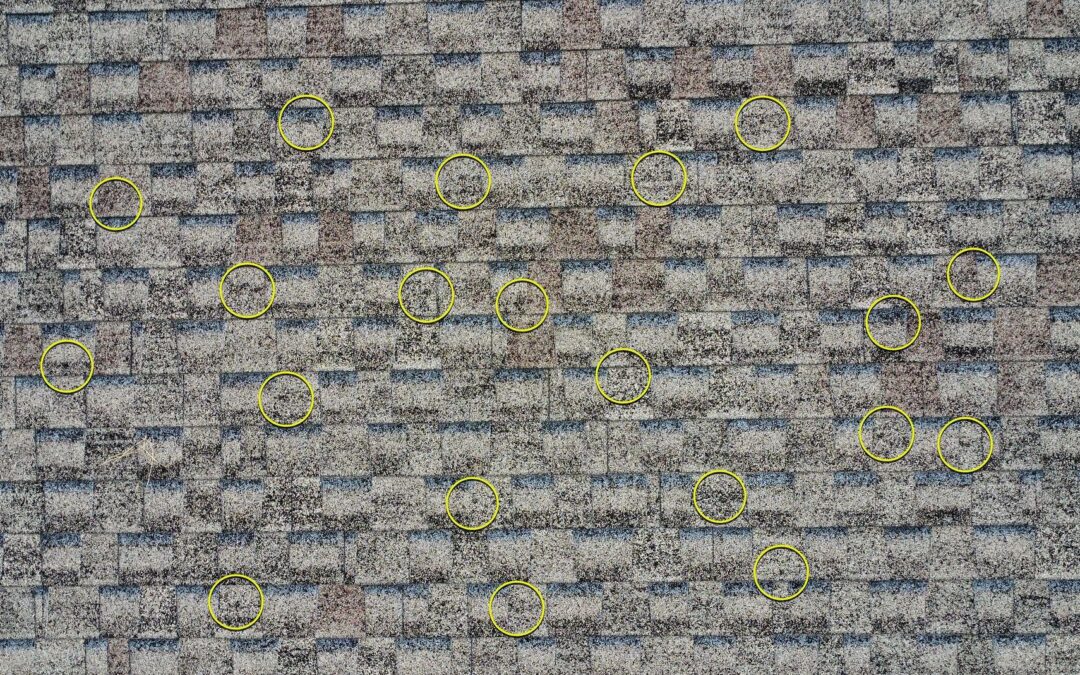
North Alabama homeowners know the routine: frost on the mailbox at dawn, a light breeze and sunshine by lunch. On many fall and spring days, Huntsville can swing 25–40°F from dawn to mid‑afternoon, a diurnal temperature range that repeatedly flexes roofing systems (NWS Huntsville forecast discussion; NOAA climate normals for Huntsville). Those temperature swings deliver daily roof expansion and contraction that accelerates wear, invites leaks, and shortens service life across North Alabama roofs.
Quick Answer
Temperature swings in North Alabama force roofing materials to heat up and expand by afternoon, then cool and contract overnight. That intense, repeated movement—combined with freeze–thaw cycles—weakens sealants, shifts fasteners, opens flashing gaps, and sheds protective granules. Over months, small defects become leaks, especially without balanced attic ventilation and seasonal roof inspection.
- Loosen shingle tabs and pop fasteners as the deck flexes.
- Gap step flashing and counter-flashing during daily contraction.
- Crack brittle shingles after repeated thermal shock events.
- Shed granules that protect asphalt from UV and heat.
- Gap sealant joints that re-bond and separate with each cycle.
At a Glance
- Daily expansion–contraction from temperature swings fatigues materials.
- Freeze–thaw cracking widens micro-gaps and accelerates leaks.
- Flashing gaps around walls, chimneys, and skylights invite water.
- Attic moisture rises without well-balanced attic ventilation.
Why North Alabama Sees Big Daily Swings
Our region sits where Gulf moisture meets continental air. Clear nights drive strong radiational cooling, and the next day’s sun warms rooftops quickly, creating large temperature swings. In shoulder seasons, fronts roll through with crisp nights and quick warmups that intensify roof expansion and contraction.
Local terrain can amplify the effect. Valleys and hollows channel downslope winds that transport cooler night air across rooftops before sunrise, then mid‑day sunshine rapidly heats south- and west-facing slopes. You’ll often see these patterns noted in the NWS Huntsville forecast discussion, which helps time a proactive roof inspection after swing-heavy weeks.
The Science of Roof Stress in a Typical North Alabama Day
- Pre-dawn cold: Materials contract; sealants stiffen; moisture inside hairline defects may freeze and expand about 9%, prying gaps wider.
- Late-morning thaw: Ice melts into micro-cracks and along edges where capillary action can pull water deeper.
- Afternoon warmth: Solar heating drives roof expansion; fasteners shift; flashing and shingles move at different rates.
- Evening cooldown: Contraction repeats, creating daily fatigue—like bending a paperclip back and forth until it weakens.
Repeat this cycle for weeks and months and you accelerate material fatigue, increasing the odds of flashing failure, nail pop, and leaks even without a major storm.
Thermal Expansion by Material
- Asphalt shingles: Soften and expand in heat, then contract and embrittle in cold; repeated cycles cause sealant fatigue and granule loss.
- Metal roofing: Aluminum and steel expand lengthwise; slotted fasteners and clips help, but poor detailing can cause oil-canning and stress at seams.
- Tile and slate: Stable but heavy; movement at fasteners and underlayment still matters during thermal shock events.
- Low-slope membranes (TPO/EPDM/Mod Bit): Heat and UV amplify surface temps; aging adhesives and poor mechanical fastening lead to wrinkling and seam stress.
- Wood decks (OSB/plywood): Seasonal moisture causes OSB swelling and shrinkage, which can back nails out and telegraph bumps that lift shingles.
Orientation, Color, and Roof Pitch Effects
South- and west-facing slopes heat faster and reach higher peaks, so they experience larger daily thermal deltas. Darker shingles absorb more solar energy than lighter options, magnifying roof expansion and contraction. Low-slope surfaces retain heat longer into evening, extending the stress window on North Alabama roofs.
Attic Ventilation Sizing—Simple NFA Example
Balanced attic ventilation moderates deck temperature and moisture. A simple rule of thumb is 1:300 net free area (NFA). For a 2,000 sq ft attic, that’s ~6.7 sq ft of NFA, split 50/50: ~3.35 sq ft intake at soffit vents and ~3.35 sq ft exhaust at the ridge vent. Proper sizing reduces condensation and lowers thermal stress on Huntsville roofing systems.
Freeze–Thaw: The Micro-Crack Multiplier
Freeze–thaw cycles turn tiny openings into wide gaps. Water seeps into hairline defects, freezes overnight, expands, and pries materials apart. When it thaws, the slightly larger gap admits more water next time, compounding damage. Over a month of cold mornings and warm afternoons, these micro-movements escalate into shingle cracks and flashing failure.
Even on dry days following a thaw, capillary action can pull residual moisture deeper into seams, and wind-driven rain finds its way into micro-gaps expanded by the previous night’s freeze. This subtle infiltration often precedes visible ceiling stains, which is why proactive roof inspection is so important after swing-heavy weeks.
UV, Humidity, and Wind—The Stress Multipliers
- UV exposure: Oxidizes asphalt binders, speeds granule loss, and raises surface temperature.
- High humidity: Without attic ventilation, condensation accumulates on the deck and fasteners.
- Wind: Exploits lifted shingle edges and fatigued sealant strips.
Air sealing around recessed lights, chases, bath fans, and attic hatches curbs warm, moist air leakage on winter mornings, reducing condensation that weakens the roof deck.
For the building-science perspective on airflow, see Building Science Corporation: Understanding Attic Ventilation and the NRCA attic ventilation guidelines.
The Most Vulnerable Parts of Your Roof
- Shingle edges and corners: Heat and cool fastest, so they curl, cup, and crack first.
- Granules: Expect granule loss in gutters after weeks with large temperature swings.
- Sealant strips: Repeated softening and re-bonding leads to fatigue and lift.
- Flashing at walls, chimneys, skylights, and valleys: Differential movement opens capillary gaps; step flashing is a frequent weak point.
- Fastener penetrations: Nail pop and back-out occur as the deck moves and wood swells/shrinks.
- Underlayment: At eaves and valleys, high-temp self-adhered membranes—commonly called ice-and-water shield leak barrier—provide a critical secondary defense against thaw-induced seepage.
- Decking: Condensation weakens OSB/plywood and speeds deterioration near ventilation voids.
Step-by-Step Homeowner Thermal-Stress Inspection
What to check this week
- After a week with repeated freeze–thaw cycles and warm afternoons, do a ground-level roof inspection using binoculars—don’t climb a ladder.
- Scan south- and west-facing slopes for lifted tabs, curled edges, and granule loss bands at eaves.
- Look in gutters for sandy grit that signals accelerated granule loss.
- Check flashing transitions at walls, chimneys, valleys, and skylights for gaps or rust—step flashing is a common leak source.
- Enter the attic mid-morning: look for frost residue, dark stains, or damp insulation—signs of attic moisture from inadequate attic ventilation.
- Confirm that soffit vents aren’t blocked by insulation and that the ridge vent provides clear exhaust.
- On metal systems, listen during warmups for loud expansion clicks and look for oil-canning on long panels of a standing seam metal roof.
- Photograph all issues and note dates to build a maintenance record.
- Schedule a professional roof inspection if you see persistent defects or active leaks.
What to upgrade this season
- Add or right-size ridge vent and soffit vents to balance intake and exhaust.
- Specify high-temp underlayment at eaves, valleys, and under metal panels.
- Replace tired sealants with compatible, color-matched high-temp products at penetrations.
- Address decking soft spots and recurrent nail pop with repairs and ring-shank fasteners.
- Consider SBS-modified shingles or a standing seam metal roof for improved movement tolerance.
Costs and ROI: Preventive Upgrades vs. Repairs
- Ridge vent add or replacement: $8–$12 per linear foot.
- Soffit vent retrofit: $6–$10 per linear foot.
- High-temp underlayment upgrade: $0.20–$0.50 per square foot in re-roof scenarios.
- Flashing tune-up (chimney, wall, skylight): $250–$600.
- Seasonal roof inspection: $150–$300.
These upgrades often pay for themselves by preventing flashing failure, lowering leak risk during thermal shock weeks, and extending shingle life by moderating roof expansion and contraction.
Local Examples: Huntsville, Madison, and Decatur
On a March day in Huntsville, roofs can start at 28°F and hit 68°F by mid‑afternoon. South-facing slopes loosen fatigued sealant strips; an afternoon breeze lifts edges; the cool-down tightens tabs and can leave micro-tears that become leaks after the next rain—classic temperature swings at work.
Mini case study (Madison): A one‑story ranch saw repeated March swings, with granule loss at the eaves and a small step flashing gap on a west-facing wall. The contractor reseated lifted tabs, replaced step flashing, installed a continuous ridge vent with open soffit vents, and upgraded eave valleys with ice-and-water shield. Follow-up roof inspection showed stabilized granules and no further leaks.
Insurance and Warranty Considerations
Temperature cycling isn’t an insurable “event,” but it amplifies storm damage. Many manufacturers require proper attic ventilation in their warranties. Capture date-stamped photos, keep invoices for ventilation upgrades, and request a written assessment from a licensed roofer to support claims or warranty inquiries tied to freeze–thaw cycles and roof expansion and contraction.
Material and Detail Recommendations for North Alabama Roofs
- SBS-modified shingles (better low-temp flexibility): Added polymers improve shingle pliability through cold mornings and resist cracking.
- Cool-color metal coatings: Reflect more solar energy to reduce peak temperatures on a standing seam metal roof.
- Metal detailing: Use floating clips, expansion joints on long runs, and slip sheets over high-temp underlayment to manage movement.
- Flashing: Prioritize step flashing and counter-flashing with proper overlaps; seal wall transitions and valleys carefully.
- Underlayment: Use high-temp underlayment and self-adhered membranes at eaves, valleys, and penetrations to resist heat aging.
- Ventilation: Ensure balanced intake and exhaust; don’t mix exhaust types that can short-circuit airflow.
Underlayment Matters in Swing Seasons
Standard synthetic underlayment offers general protection but can soften under high heat. High-temp synthetic resists higher temperatures and pairs well under dark shingles and metal. Self-adhered membranes (ice-and-water shield) seal around nails and are ideal at eaves, valleys, and low-slope transitions. Under metal and low-slope areas, high-temp underlayment is strongly recommended.
FAQs
Do metal roofs handle temperature swings better than shingles?
Often yes—when detailed correctly. A standing seam metal roof with floating clips and expansion joints is designed to move. Poor detailing or fixed fasteners still risks oil-canning and fastener stress. Pair metal with high-temp underlayment and balanced attic ventilation to manage condensation during swing-heavy days.
What shingles are best for North Alabama’s freeze–thaw cycles?
SBS-modified shingles with strong sealant strips, higher softening points, and Class 3/4 impact ratings resist cracking and granule loss better. Lighter colors lower peak heat. Match shingles with ice-and-water shield at vulnerable areas, robust step flashing, and proper attic ventilation.
How often should I schedule roof inspection around Huntsville?
Twice yearly—early spring and early fall—with spot checks after 3+ consecutive swing-heavy days featuring freeze–thaw mornings and warm afternoons. Also inspect after storms that follow such weeks, when fatigue magnifies damage.
Can ventilation stop ice dams in North Alabama?
Ice dams are uncommon but possible on shaded north eaves after cold nights. Balanced intake and exhaust, solid insulation and air sealing, and ice-and-water shield at eaves reduce risk.
Future Outlook: What Climate Trends Mean for North Alabama Roofs
Regional assessments point to hotter average temperatures, more very warm days, and heavier downpours—while abrupt cold snaps still occur. That combination yields more days when freeze–thaw mornings meet sunny, warm afternoons, stressing North Alabama roofs through additional cycles (National Climate Assessment: Southeast chapter).
Expect more shoulder-season swing days that amplify roof expansion and contraction and expose small flashing gaps during heavy rain. A practical habit for Huntsville roofing: do a quick roof inspection after three consecutive swing-heavy days and note any changes in photos, especially around step flashing and penetrations.
Myths vs. Facts
- Myth: Only storms cause roof leaks. Fact: Daily thermal cycling opens gaps that lead to leaks without a storm.
- Myth: Metal roofs don’t move. Fact: A standing seam metal roof is engineered to move and needs proper clips and detailing.
- Myth: More vents always help. Fact: Poorly balanced exhaust can short-circuit intake; attic ventilation must be balanced.
- Myth: Granules are cosmetic. Fact: Granule loss reduces UV protection and speeds aging.
Pro Tips from North Alabama Roofers
- Replace backed-out nails with ring-shank fasteners to resist seasonal movement and nail pop.
- Seal the roof deck (secondary water barrier) in re-roofs to limit water entry if shingles lift.
- Use color-matched, high-temp sealants at penetrations for durable expansion tolerance.
- Install high-temp underlayment beneath metal panels and at low-slope transitions.
- Document maintenance with date-stamped photos and keep a simple log of roof inspection findings.
- Specify step flashing at all wall intersections; avoid face-sealed shortcuts that fail during temperature swings.
- Consider cool-color finishes or lighter shingles to lower peak surface temperatures.
Analogies That Make It Clear
Think of your roof like a paperclip: bend it once and it recovers; bend it back and forth and it fatigues, then fails. Shingles behave like asphalt roads—freeze–thaw cycles and sunny afternoons widen cracks until potholes appear. Roofs experience the same cumulative stress from temperature swings.
Key Takeaways for North Alabama Homeowners
- Rapid temperature swings cause daily roof expansion and contraction that fatigues materials.
- Freeze–thaw cycles magnify micro-defects into flashing failure and leaks.
- Balanced attic ventilation, high-temp underlayment, and durable materials (SBS-modified shingles, standing seam metal roof) reduce risk.
- Seasonal roof inspection in Huntsville, Madison, Decatur, Athens, and Cullman catches issues before storms exploit them.
If you live in Huntsville, Madison, Decatur, Athens, or Cullman, schedule spring and fall roof inspection visits—especially after weeks with repeated freeze–thaw cycles and warm afternoons. A simple checkup helps prevent granule loss from escalating and keeps small flashing gaps from becoming costly leaks.
Sources and Further Reading
- NWS Huntsville forecast discussion (diurnal swing patterns and timing)
- NOAA climate normals for Huntsville (context on temperature ranges)
- Building Science Corporation: Understanding Attic Ventilation
- NRCA attic ventilation guidelines
- National Climate Assessment: Southeast chapter
Last updated: February 2026
About this guide: This information supports homeowners in understanding temperature swings and roof maintenance but is not a substitute for an on-site professional inspection.