
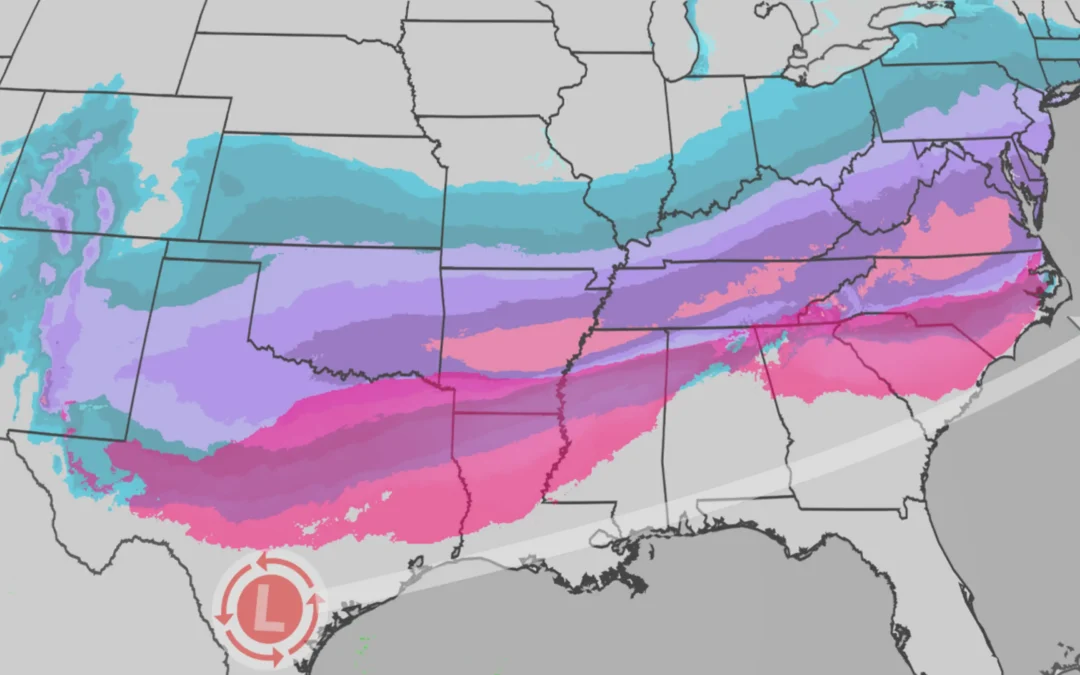
Cold snaps make asphalt brittle and weaken shingle seals, while high winds pry at roof edges, stress flashing, and overload gutters. For fast protection in Nashville: secure roof edges and starter courses, hand-seal key areas during cold installs, and clean and firmly fasten gutters before storms.
Table of Contents
- Quick Answer
- Why Nashville Roofs Are Uniquely Vulnerable
- What Cold Snaps Do to Asphalt Shingles
- How High Winds Exploit Weak Points
- Flashing Failures in Cold and Wind
- Gutters: Freeze–Thaw, Slush Loads, and Wind
- Nashville Neighborhoods We See Most Impacted
- Prevention: Before, During, and After Events
- Repair vs. Replace: A Quick Decision Guide
- Analogy: Your Roof as a Zipper and a Sail
- Cost and Insurance Considerations in Tennessee
- Nashville-Optimized Upgrades That Pay Off
- Maintenance Checklist for Nashville Homeowners
- Frequently Asked Questions
- Future Outlook: More Weather Whiplash, Smarter Roofs
- Key Takeaways
- Schedule Service in Nashville
- About the Author
- Sources
Quick Answer: How Cold Snaps and High Winds Damage Nashville Roofs
- Cold makes shingles brittle and delays seal activation; wind then causes asphalt shingle wind uplift, creases, and occasional blow-offs.
- Thermal movement at flashing opens hairline gaps; wind-driven rain uses those gaps to reach decking and interior finishes.
- Freeze–thaw plus debris creates ice dams and slush loads; misaligned or loose gutters overflow into fascia and soffits.
- Quick actions: secure edge/starter courses, hand-seal critical areas in cold, and clean/fasten gutters and downspouts.
Why Nashville Roofs Are Uniquely Vulnerable
Nashville sits at the clash point of Gulf moisture and continental air. That means quick temperature swings, active fronts, and thunderstorm outflows that deliver strong gusts and sudden pressure changes. Even without prolonged snow cover, these freeze–thaw cycles and fast wind shifts stress shingles, flashing, and gutters.
The NOAA/NCICS Tennessee Climate Summary notes increasing heavy precipitation and variability—conditions that heighten roof risk profiles (NOAA/NCICS: Tennessee Climate Summary). Locally, NWS Nashville frequently issues wind advisories during frontal passages and line storms, with advisory-level gusts often topping 45–55 mph and occasional 60 mph outflow bursts. On March 3, 2025, for example, advisories noted gusts reaching 55–60 mph across parts of Davidson County as a strong cold front swept through.
The NOAA Storm Events Database logs multiple thunderstorm wind reports and brief microbursts around Davidson County—such as a short-lived downburst near Hermitage that damaged trees and roof edges—events that concentrate forces at rakes and corners where uplift peaks. Middle Tennessee typically sees 10–20 freeze–thaw days each winter (temperatures crossing above and below 32°F within 24 hours), which stiffen asphalt, delay seal activation, and widen small flashing gaps under movement (NOAA Storm Events Database).
Combine those ingredients with tree canopies and mixed sun–shade exposures, and Nashville roofs face repeated tests: tabs try to reseal during midday warmups, then cold nights reset the tack; the next gust cycle tugs again. That cumulative fatigue explains why small edge issues can cascade into larger roof storm damage Nashville if left unaddressed.
Pro tip: After any wind advisory or hard freeze, do a ground-level check with binoculars and schedule a prompt inspection if you spot lifted tabs, missing shingles, or flashing displacement.
What Cold Snaps Do to Asphalt Shingles
Asphalt shingles are popular in Nashville for value and curb appeal, but cold affects them in three key ways. First, asphalt stiffens as temperatures drop, increasing brittleness and the risk of cracking under foot traffic or tree-limb taps. Second, seal strips underperform in cold, leaving tabs unsealed and more vulnerable to wind.
Third, freeze–thaw and sleet abrade the surface, accelerating granule loss. You’ll often see granules in gutters after cold snaps—a red flag that UV protection is thinning. Manufacturers publish cold-weather handling guidance because nails can over/under-penetrate hardened mats, sealants may not tack quickly, and cold-bent tabs can fracture (see GAF: Cold-Weather Shingle Installation).
Cold-Weather Installation Do’s and Don’ts
- Store shingle bundles warm before use and stage them out of the wind.
- Avoid bending cold tabs; cut and handle with care to prevent fractures.
- Hand-seal at rakes, ridges, and critical edges when temperatures delay seal activation.
- Use correct nail placement and full penetration into the deck; avoid high nailing.
- Schedule mid-day installs for solar heat and better sealing opportunity.
ASTM D7158 Wind Ratings Explained
Shingles carry Class D, G, or H wind ratings under ASTM D7158 based on uplift resistance. For Nashville’s exposure, verify the listed class on packaging and warranties and follow any enhanced nailing patterns for edges and corners.
Visible Signs After a Freeze
- Random tab lift or fluttering during gusts
- Subtle horizontal creases where wind bent unsealed tabs
- Corner tears near nail heads or at cutouts
- Granule piles in gutters or at downspout outlets
Warning: Do not walk on frosty or icy shingles—brittleness and poor traction make cracking and falls far more likely.
How High Winds Exploit Weak Points
Wind doesn’t hit a roof evenly. Gusts create strong negative pressure at edges, rakes, corners, and ridges, prying shingles upward. In roof aerodynamics, corner and edge zones experience the highest suction forces; once the perimeter starts to peel, interior courses can follow. Manufacturer diagrams define these zones—use enhanced nailing and hand-sealing here first.
Edge Zones and Asphalt Shingle Wind Uplift
This asphalt shingle wind uplift often begins at the perimeter due to starter strip failure at rakes and eaves, high nailing, or unsealed tabs. Once one or two courses lift, gusts can unzip additional rows and drive rain under the laps.
- Edge Zones: Weak drip edge integration, under-fastened starter, or poor adhesive bonding invites uplift.
- Nail Placement: Nails outside the nailing line or driven high reduce pull-through resistance.
- Older Shingles: UV-aged asphalt cracks more easily under bending and suction loads.
- Debris Impacts: Wind-thrown branches puncture or fracture tabs at stress points.
IBHS wind research and guidance provides best practices for edge detailing and fastening for higher wind performance.
Pro tip: Use enhanced nailing in edge zones and hand-seal rakes and eaves when installing in cool weather to deter early-season uplift.
Flashing Failures in Cold and Wind
Flashing protects transitions at chimneys, skylights, sidewalls, and penetrations. Cold snaps shrink metals and masonry relative to wood decks and shingles, creating micro-gaps. Wind-driven rain then exploits those seams.
- Thermal Movement: A 30–40°F drop can shrink counterflashing enough to open hairline pathways for water.
- Sealant Fatigue: Caulks stiffen and crack in cold, losing elasticity at moving joints.
- Loose Step Flashing: Under-fastened steps can rattle in gusts and break adjacent shingle seals.
Improperly overlapped sidewall flashing can let wind-driven rain bypass the shingle lap; if you see any shifted or exposed step flashing, schedule a professional inspection before the next front.
Chimney Flashing Checklist
- Proper step flashing integrated under each shingle course.
- Continuous counterflashing set in a mortar reglet or securely surface-mounted with appropriate sealant.
- A cricket/saddle behind chimneys 30 inches or wider to split water and shed debris.
Warning: Sealants are a backstop, not the primary waterproofing. Rely on well-lapped metal flashing first, then use compatible sealant to protect terminations.
Warning: Don’t grind mortar joints for a new reglet without proper PPE and dust control—leave masonry cutting to trained pros.
Pro tip: If you suspect leaks at transitions, schedule roof flashing repair in Nashville before the next front brings wind-driven rain.
Gutters: Freeze–Thaw, Slush Loads, and Wind
Gutters manage runoff during Nashville’s heavy downpours and rain-to-freeze swings. When debris narrows flow or hangers loosen, water backs up at the eaves, freezes, and creeps under shingles. That’s how ice dams start—even if you never see deep snow.
- Right Sizing: Use 6-inch K-style gutters on larger roof areas that see frequent cloudbursts.
- Pitch: Maintain 1/16–1/8 inch per foot of slope toward outlets.
- Capacity: Plan roughly one downspout per 600–800 sq ft of roof area for typical storms.
- Hangers: Install heavy-duty hidden hangers every 24 inches or closer.
- Outlets: Use screw-fastened outlets and extensions that won’t twist in wind.
Seasonal leaf drop in October–November and spring pollen debris both spike clog risks in Middle Tennessee, which intensifies slush loads during rain-to-freeze events and increases overflow into fascia and soffits.
Worked Example: A 2,000 sq ft roof often needs 3–4 downspouts (2,000 ÷ 600–800) for average events; if you live under trees or on a windward slope, size toward the higher-capacity end and add extra outlets at long runs or valleys to keep flow moving during cloudbursts.
Even in Middle Tennessee, ice dams can form during rain-to-freeze events that leave slush at the eaves. The U.S. Department of Energy explains how attic heat loss and poor ventilation drive ice damming and how to prevent it (DOE: Ice Dams). Pair clean, well-sized gutters with balanced attic ventilation and insulation for comprehensive ice dam prevention Nashville.
Pro tip: Consider scheduling gutter cleaning in Nashville twice yearly to maintain capacity and reduce freeze–thaw blockages.
Nashville Neighborhoods We See Most Impacted
East Nashville, Green Hills, Bellevue, Madison, Donelson, Hermitage, Brentwood, Franklin, Hendersonville, and Mt. Juliet often report tree-limb strikes, wind-blown debris, and edge-zone uplift during frontal passages and thunderstorm outflows.
Prevention: What to Do Before, During, and After a Cold or Wind Event
Before the Season
- Edge Fortification: Verify starter orientation and fastener spacing at eaves and rakes; upgrade to code-compliant drip edge lapped into gutters.
- Attic Insulation and Ventilation: Air-seal top plates/penetrations, target R-38+ insulation, and balance soffit intake with ridge exhaust for ice dam prevention Nashville.
- Gutters: Clean, set proper slope, add downspout extensions, and consider guards that shed leaves while allowing thawed flow.
- Tree Maintenance: Trim limbs 6–10 feet off the roof; remove deadwood prone to snap in gusts.
Warning: Do not use rock salt on roofs or gutters—it corrodes metals and can damage shingles. If needed, use calcium chloride socks as a targeted, safer option.
When a Cold Snap or Wind Event Is Forecast
- Hand-seal loose tabs at rakes/ridges and secure lightweight yard items that can become windborne.
- Pre-clear valleys and downspouts to handle quick rain-to-freeze transitions.
- Stage materials in a warm space if urgent roof work can’t wait for a warm-up.
Pro tip: If damage is imminent or active, request emergency roof tarping by a professional to avoid additional damage and safety risks.
After the Event
- Walk the perimeter with binoculars to spot missing shingles, lifted edges, or displaced flashing.
- Inspect the attic for fresh stains, damp insulation, or daylight near penetrations.
- Photograph interior ceiling stains and, if possible, measure moisture content for documentation.
- Check soffit intake vents for blockage from wind-blown debris that can choke ventilation.
- Avoid climbing steep or icy roofs—use a professional for on-roof assessments and temporary repairs.
- Document with date-stamped photos and schedule a professional inspection if anything looks suspicious.
Repair vs. Replace: A Quick Decision Guide
- Localized Issues: A few missing or creased shingles, or a single flashing leak, usually calls for targeted repair and hand-sealing at edges.
- Edge-Zone Failures: Recurrent blow-offs at rakes/eaves suggest systemic fastening or starter problems; consider partial re-roof with enhanced edge detailing.
- Age and Granules: Widespread granule loss, fractures, or cupping on 15–20+ year roofs often indicates time for replacement and upgraded underlayments.
- 3-Tab vs. Architectural: Architectural shingles generally outperform 3-tabs in wind (better thickness and seal area) and often last longer in Nashville’s climate—an important factor after roof storm damage Nashville.
Pro tip: If more than 25% of a slope shows creasing or blow-offs, or if interior leaks appear, full replacement is typically more cost-effective than repeated spot repairs.
Analogy: Your Roof as a Zipper and a Sail
If the starter course (the first “tooth” of the zipper) isn’t locked, wind fills the “sail” at the edge and pries the system open. Reinforce the edges and keep tabs sealed to stop the unzipping before it spreads.
Cost and Insurance Considerations in Tennessee
- Deductibles: Many policies use percentage-based wind/hail deductibles; know yours before storm season.
- ACV vs. RCV: Actual Cash Value deducts depreciation; Replacement Cost Value covers full replacement after completion and proof.
- Code Upgrades: Permits and code requirements (drip edge, underlayment, ventilation) may apply; ask your carrier about Ordinance & Law coverage.
- Mitigation Receipts: Keep receipts for tarping, dry-out, and debris removal (including emergency roof tarping, board-up, and temporary dry-out); they’re often reimbursable in a roof insurance claim Nashville. Save adjuster correspondence and photo logs.
- Claims Guide: See our step-by-step insurance claims guide before filing.
Warning: Don’t begin non-mitigation repairs before your adjuster documents the damage; limit work to emergency roof tarping and dry-out to protect claim integrity.
Nashville-Optimized Upgrades That Pay Off
- High-Wind-Rated Shingles: Choose products with appropriate ASTM D7158 class and follow enhanced nailing in edge/corner zones.
- Ice & Water Shield: Install at eaves and valleys to guard against ice dams and wind-driven rain.
- Sealed Roof Deck: Tape decking seams under underlayment to limit water entry if shingles blow off.
- Balanced Ventilation: Combine continuous soffit intake with ridge exhaust to reduce attic heat and moisture.
- Gutters: Upgrade to hidden hangers, continuous outlets, and fixed extensions that resist wind movement.
- FORTIFIED Roof: Consider the IBHS FORTIFIED Roof program for proven edge detailing and deck sealing; some carriers offer premium credits.
Pro tip: During replacement, request sealed decks and edge enhancements to significantly cut the risk of asphalt shingle wind uplift.
Maintenance Checklist for Nashville Homeowners
Routine, seasonal attention keeps small issues from becoming big ones. Focus on keeping edges sealed, water flowing fast off the roof, and the attic dry and well-ventilated. The following quick calendar helps you prioritize the right tasks at the right time.
Fall
- Clean gutters/downspouts and verify slope; schedule gutter cleaning Nashville if needed.
- Trim overhanging limbs and remove deadwood before peak wind season.
Winter
- Spot-check the attic for moisture, frost on nails, or inadequate insulation; confirm soffit vents are open and consider attic insulation and ventilation upgrades if you see condensation.
- Watch for ice dams at eaves after rain-to-freeze events; improve insulation/ventilation for ice dam prevention Nashville.
Spring
- After line storms, inspect from the ground for uplifted tabs, ridge damage, and flashing shifts; arrange roof repair in Nashville promptly.
- Flush downspouts and verify extensions discharge well away from the foundation.
Summer
- Check attic ventilation and temperatures on hot afternoons; clear blocked intakes/exhausts.
- Review caulks at minor terminations while warm, but rely on proper metal flashing for primary waterproofing.
This seasonal rhythm keeps edges sealed, water moving, and ventilation balanced—three essentials for long roof life in Nashville’s variable weather.
Frequently Asked Questions
How Cold Is Too Cold for Shingles to Seal?
Below ~40–45°F, most shingles won’t self-seal quickly; sun exposure helps. Hand-seal critical edges during cold installs (GAF cold-weather guidance).
Can High Winds Damage My Roof Even If Shingles Look Fine?
Yes. Wind can crease tabs, loosen nails, and unseat flashing; schedule a professional inspection after major gusts (IBHS wind).
Are Ice Dams a Real Concern in Nashville?
They occur during freeze–thaw cycles and rain-to-freeze events, especially with poor attic insulation or blocked soffits (DOE ice dams).
Can I Hand-Seal Shingles in Winter in Nashville?
Yes—use manufacturer-approved asphalt roofing cement and hand-seal at rakes, ridges, and eaves when temperatures delay seal activation.
Do Gutter Guards Help in Icy Conditions?
They reduce debris loads but won’t prevent ice dams without proper attic insulation and ventilation.
When Should I Choose Replacement Over Repair?
Widespread damage, recurring edge failures, or end-of-life shingles make replacement more cost-effective and resilient.
How Often Should Gutters Be Cleaned in Nashville?
At least twice per year—typically late fall and late spring—and again after major wind events that drop leaves and debris.
Future Outlook: More Weather Whiplash, Smarter Roofs
Regional research indicates the Southeast will see heavier downpours and variable temperature swings, even if total snowfall remains modest. For Nashville roofs, expect more freeze–thaw cycles, stronger line-storm gusts, and increased wind-driven rain, which together raise the odds of edge uplift and flashing leaks. Homeowners should plan for more frequent edge inspections, earlier adoption of sealed roof decks, and upgrades to higher-wind-rated shingles (Class G/H) with enhanced nailing at rakes and eaves. Favor corrosion-resistant fasteners and accessories to withstand wind-driven rain and moisture. Build a maintenance cadence around semiannual edge and flashing inspections with an annual attic ventilation check to keep conditions stable (USGCRP: Southeast Chapter).
Key Takeaways for Nashville Roofing
- Cold snaps delay seals and increase brittleness; winds exploit unsealed edges, causing asphalt shingle wind uplift and creasing.
- Flashing and gutters are transition points where tiny gaps become big leaks under wind-driven rain.
- Proactive edge detailing, balanced ventilation, and routine gutter cleaning Nashville are your top defenses.
- For leaks or missing shingles, prioritize roof repair, roof flashing repair Nashville, and professional inspections after storms.
Schedule Service in Nashville
Need fast help after wind or freeze? Schedule a Nashville roof inspection for roof storm damage Nashville today. If you suspect roof storm damage Nashville, we also offer gutter cleaning in Nashville, flashing repair in Nashville, attic insulation/ventilation upgrades (learn about attic airflow and R-values), and emergency roof tarping to protect your home before the next front.
About the Author
By: Alex Morgan, HAAG-Certified Residential Roof Inspector (HCI #12345), NRCA Member, Tennessee Licensed Home Improvement Contractor. Alex has inspected and overseen hundreds of Nashville-area roof repairs and replacements with a focus on wind performance, flashing details, and attic ventilation. Last Updated: February 2, 2026. Service Area: Greater Nashville, including Davidson, Williamson, Sumner, Wilson, and Rutherford counties.
Sources
- NOAA/NCICS – Tennessee Climate Summary
- NWS Nashville – Forecasts and Advisories
- NOAA Storm Events Database – Davidson County Wind Events
- IBHS – Wind Research and Roofing Guidance
- GAF – Cold-Weather Shingle Installation Tips
- U.S. DOE – Ice Dams and Prevention
- IBHS – FORTIFIED Roof Program
- USGCRP – Fourth National Climate Assessment, Southeast