
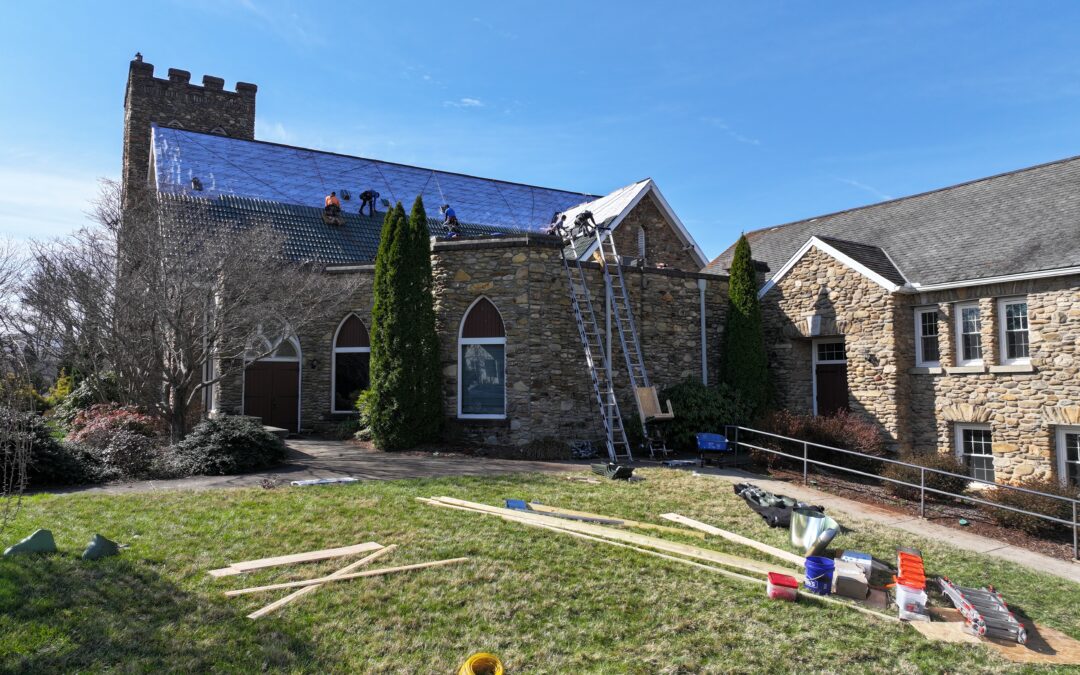
Storm season in Brentwood can turn a minor roofing issue into a major repair bill in a matter of hours. High winds, wind-driven rain, sudden downpours, hail, and flying debris all put pressure on residential roofing systems across Middle Tennessee. A proactive Brentwood roof inspection helps homeowners catch damage early, protect the structure below, and reduce the risk of leaks, mold, insulation damage, and premature roof replacement.
If you want your home ready for the next round of rough weather, use this practical roof inspection checklist for storm season to understand what can go wrong, what to look for, and when to call a local roofing professional. Whether you are trying to prevent leaks, prepare an insurance claim, or plan seasonal maintenance, a detailed Brentwood storm damage roof inspection is one of the smartest steps you can take.
Why Roof Inspections Matter in Brentwood
Brentwood homes face a mix of weather extremes that can stress even a well-installed roofing system. High winds can lift shingles, heavy rain can exploit tiny weak points, and clogged drainage can force water where it should never go. The challenge is that roof damage is not always obvious from the ground. A roof can look mostly fine while hiding lifted flashing, granule loss, punctures, or moisture intrusion.
According to the National Weather Service, severe thunderstorms can produce damaging wind gusts and intense rainfall capable of affecting homes in only a short period of time. For broader homeowner guidance on preparing for and recovering from major storms, FEMA-backed recommendations are available through Ready.gov, which advises homeowners to document damage and address hazards quickly after a weather event.
Brentwood also has local characteristics that make roofing vigilance especially important. Many homes sit on lots with mature trees, rolling terrain, and drainage patterns that can shift water quickly during intense rain. Seasonal Tennessee weather swings, from humid summer storms to strong spring systems, can increase the risk of wind damage to shingles, clogged valleys, branch impact, and fast-moving roof leaks.
Think of your roof like the shell of a boat in rough water. If there is one loose seam, one weak fastener, or one hairline opening, repeated downpours can keep forcing water into that spot until the damage spreads far beyond the surface. That is why preventative inspections and a consistent roof maintenance checklist matter so much before peak weather arrives.
What High Winds Can Damage on a Roof
High wind roof damage often starts at the most exposed parts of the system. Roof edges, ridges, corners, and flashing transitions usually take the first hit. Once wind gets underneath roofing materials, it can break seals, loosen nails, and create lift that spreads from one section to another.
- Missing or lifted shingles: Asphalt shingles can curl, crease, tear, or detach during wind events.
- Damaged ridge caps: Ridge shingles are especially vulnerable because they sit along the highest point of the roof.
- Loose flashing: Chimney flashing, wall flashing, and pipe boot flashing can separate and let water in.
- Soffit and fascia damage: Wind can loosen trim components and create openings for moisture and pests.
- Gutter displacement: Gutters may pull away from the fascia or clog with storm debris.
- Tree limb impact: Falling branches can puncture shingles, underlayment, decking, or gutters.
Even if shingles stay attached, strong winds may break the adhesive seal strip that helps hold them in place. That means your roof may appear intact after one storm but be much more likely to fail during the next event. This is one reason homeowners often need a Brentwood storm damage roof inspection even when damage seems minor from the yard.
What Sudden Downpours Can Damage
Heavy rain roof damage in Brentwood often appears after drainage gets overwhelmed or after wind has already created entry points. Sudden downpours can move water rapidly across slopes, into valleys, around penetrations, and through vulnerable transitions.
- Roof valleys: Valleys carry concentrated water flow and are common leak points when shingles or flashing are compromised.
- Roof penetrations: Skylights, vents, satellite mounts, and plumbing stacks all require watertight sealing.
- Underlayment exposure: If shingles are displaced, the water-shedding layers below can be exposed and damaged.
- Decking and attic insulation: Water intrusion can soak wood decking and insulation, leading to mold and rot.
- Ceilings and interior walls: Stains, bubbling paint, or damp drywall may indicate a roof leak.
- Foundation-adjacent areas: Overflowing gutters can dump water near the home and contribute to drainage issues.
One of the biggest problems with sudden downpours is volume. A roof that handles normal rainfall may struggle when debris-clogged gutters or damaged flashing cause water to back up and pool. Effective roof leak prevention starts with keeping drainage pathways clear and repairing vulnerable spots before bad weather arrives.
Why Small Roofing Problems Get Worse Fast
Small roofing issues rarely stay small when wind and heavy rain are involved. A single lifted shingle can allow wind-driven rain to reach the underlayment. Loose flashing around a chimney can channel water into the attic each time a storm passes through. Over time, what begins as a minor repair can become rotted decking, stained ceilings, wet insulation, mold growth, and higher replacement costs. Prompt repairs support better roof leak prevention and reduce the chance that a minor event will create a major interior problem.
Brentwood Roof Inspection Checklist for Storm Season
Use this practical Brentwood roof inspection checklist before and after major weather events. For safety, start from the ground and inside the attic when possible. Leave steep-slope walking inspections to trained roofing professionals.
1. Check for Missing, Cracked, or Lifted Shingles
Walk around the property and look for shingle tabs that are bent, creased, torn, or missing. Pay close attention to roof edges and ridgelines. In asphalt roofing systems, granule loss is another warning sign. If you see shingle granules collecting in gutters or downspout exits, the roof may be aging or weather-stressed.
2. Inspect Flashing Around Roof Transitions
Look at areas around chimneys, dormers, sidewalls, valleys, skylights, and vent pipes. Loose or rusted flashing is a leading cause of roof leaks after storms. Flashing should lie flat, remain securely fastened, and show no visible gaps or separation.
3. Look at Gutters and Downspouts
Your drainage system is part of your roofing system. Check for clogs, sagging sections, seam separation, and detached gutter spikes or brackets. Gutters should direct water away efficiently. Overflow marks, standing water, or washout near the foundation are signs something is not working correctly.
4. Inspect Soffit, Fascia, and Roof Edges
Wind-driven rain often reaches the roof perimeter first. Damaged fascia boards, rotted trim, and loose soffit panels can all signal moisture intrusion. These edge components also support ventilation and drainage performance, so they should not be ignored.
5. Scan for Debris Impact and Overhanging Limbs
Branches scraping across shingles can shorten roof life over time, and falling limbs can cause immediate punctures. Check the roof surface for impact zones and evaluate nearby trees. Preventive trimming before rough weather can reduce the risk of emergency roof repairs.
6. Examine Roof Valleys Closely
Valleys handle some of the heaviest water movement on a sloped roof. If debris collects there, water can slow down, back up, and exploit weak points. Any signs of exposed fasteners, worn shingles, or bent valley flashing should be addressed promptly.
7. Check Attic Spaces for Moisture or Daylight
Inside the attic, look for damp insulation, dark stains on decking, moldy odors, or visible sunlight through boards or around penetrations. This is one of the best ways to identify hidden roof damage before it becomes a major interior leak.
8. Look for Ceiling Stains or Interior Warning Signs
Brown ceiling spots, peeling paint, warped trim, and bubbling drywall often point to a leak path from above. Sometimes the source is not directly over the stain, so a thorough roofing review is necessary to trace water movement correctly.
9. Inspect Ventilation Components
Ridge vents, box vents, gable vents, and soffit vents should remain intact and unobstructed. Damage can loosen vent covers or create openings that let rain enter the attic. Proper ventilation also helps reduce moisture buildup and heat stress on the roof system.
10. Document Everything After a Storm
Take date-stamped photos of visible damage, fallen limbs, gutter issues, and any interior stains. Good documentation helps with insurance claims, repair planning, and contractor assessments. Ready.gov recommends documenting damage and addressing safety concerns quickly after severe weather, making this an important step for both homeowner protection and claims support.
What to Do Right After a Brentwood Storm
After a major storm, start with safety. Avoid climbing onto a wet or potentially unstable roof. Walk the property from the ground, look for downed limbs or power line hazards, and check interior ceilings and attic spaces for active leaks. Take clear photos and notes of any visible problems. If water is entering the home, a roofing contractor may recommend temporary protection such as an emergency roof tarp until permanent repairs can be completed. A prompt call for a professional inspection can help limit secondary damage and support a smoother insurance process.
Signs You Need a Professional Storm Damage Roof Inspection
Some roofing issues are subtle, and others are unsafe to inspect without the right equipment. You should schedule a professional roof inspection in Brentwood if you notice any of the following:
- Shingles missing after a wind event
- Water stains on ceilings or attic decking
- Granules accumulating in gutters
- Flashing that appears loose or corroded
- Tree limbs striking the roof
- Sagging gutters or detached downspouts
- Recurring leaks during heavy rain
- An older roof heading into storm season
The Insurance Institute for Business & Home Safety notes that routine maintenance and storm hardening can help reduce damage and lower severe weather losses for homeowners. Homeowners can review resilience guidance at IBHS. A local roofing contractor can determine whether the problem is cosmetic, repairable, or severe enough to require partial or full replacement.
How Brentwood Homeowners Can Prepare Before the Next Storm
Preparation is not just about reacting after damage appears. The best strategy is preventive maintenance. Seasonal roof care can lower the chance of emergency leaks and extend the life of your roof.
- Schedule a roof inspection before peak storm activity.
- Clean gutters and downspouts regularly.
- Trim overhanging tree branches.
- Repair damaged shingles and flashing immediately.
- Check attic ventilation and insulation condition.
- Seal vulnerable penetrations and monitor older caulking.
- Keep records of past roof repairs and warranty information.
These steps are especially important for homes with aging asphalt shingle roofs, previous leak history, or areas of complex roof geometry where valleys and flashing details are more exposed. A seasonal roof maintenance checklist makes it easier to stay ahead of issues rather than react once water is already entering the home.
It is also wise to keep inspection reports, repair receipts, and before-and-after photos organized in one place. Those records can help support insurance documentation after a storm and may also add value when selling your home, since buyers often appreciate proof that the roof has been maintained responsibly.
Future Implications: Why Storm-Ready Roofing Will Matter Even More
Looking ahead, Brentwood homeowners should expect storm resilience to become a more important part of roofing decisions. Across many parts of the United States, weather patterns are producing more intense rainfall events and stronger wind-driven systems. That means roofs may need to perform under more frequent stress than they did a decade ago.
For homeowners, this has several likely implications:
- More frequent inspections: Annual inspections may become the baseline, with post-storm checks after significant weather events.
- Greater demand for impact- and wind-resistant materials: Upgraded shingles, better underlayments, and improved flashing systems may offer stronger long-term value.
- Higher emphasis on documentation: Photo records, maintenance logs, and inspection reports may play a bigger role in claims and resale.
- Stronger focus on drainage design: Gutters, downspouts, and water management will remain critical as sudden downpours intensify.
In practical terms, a storm-ready roof is becoming less of an upgrade and more of a necessity. Homeowners who invest in regular maintenance, timely repairs, and stronger materials are likely to reduce long-term costs and avoid more disruptive structural problems. Over time, buyers may also place greater value on documented roof maintenance and recent inspection records when evaluating a Brentwood property.
Final Thoughts on Storm Season Roof Protection in Brentwood
A thorough Brentwood roof inspection checklist for storm season is one of the best tools homeowners have for preventing costly damage from high winds and sudden downpours. From shingles and flashing to gutters, attic spaces, and interior ceilings, every part of the system matters. The sooner you catch small signs of trouble, the better your chances of avoiding major leaks, wood rot, insulation damage, and emergency roofing expenses.
If your home has recently been through severe weather, now is the right time to assess for storm damage roof repair needs. Scheduling a professional inspection before and after major storms supports long-term roof performance, faster repairs, and better insurance documentation. A proactive approach today can protect your roof, your home’s structure, and your peace of mind throughout the next Brentwood storm season.