
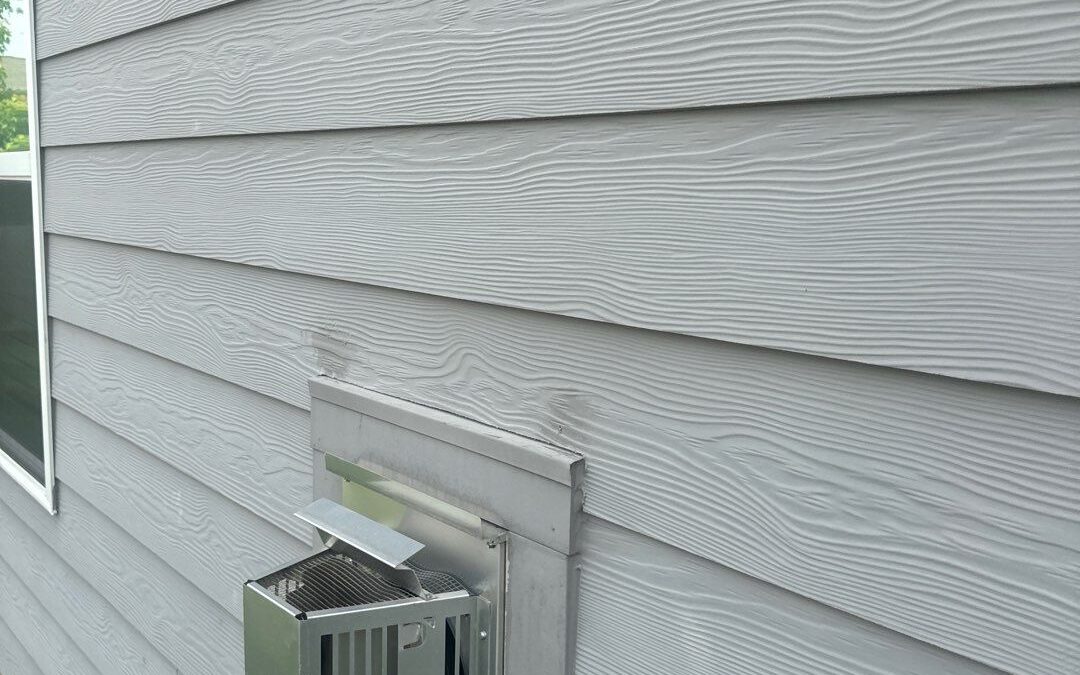
Choosing coastal siding for hot-humid climates and coastal homes means balancing heat, moisture, and storms while meeting local approvals. This guide ranks top materials, explains moisture control, and shows how a ventilated rain screen, corrosion-resistant fasteners, and proper flashing create hurricane-resistant siding that lasts and protects roof-to-wall transitions. It also covers code approvals and the exact details you need—like screened ventilation gaps and diverter flashing—to keep water out and walls dry. Jump to FAQs.
Key Takeaway
For the best siding for hot-humid climates and truly hurricane-resistant siding, prioritize fiber cement, metal, brick/stone veneer over a rain screen, engineered wood with factory finish, and premium vinyl. Pair any cladding with a ventilated rain screen, a continuous WRB (water-resistive barrier), corrosion-resistant fasteners, and kickout flashing at roof-to-wall intersections for durable, storm-resilient performance. See the quick list below.
In warm, wet regions and storm corridors, siding must shed wind-driven rain while letting walls dry. A WRB is a water-resistive barrier behind the siding that blocks bulk water and helps the wall dry safely. A kickout flashing (also called a diverter flashing) is a small diverter at the roof-to-wall junction that channels runoff into the gutter instead of behind the siding (see DOE guide).
Quick Answer: Best Coastal Siding Options
- Fiber cement — Moisture-, fire-, and impact-resistant; excellent in storms.
- Metal (aluminum/steel) — High wind resistance; noncombustible and durable.
- Brick/stone veneer — Long-lived facade when the cavity drains and vents.
- Engineered wood — Treated, light, and stable with factory finishes.
- Premium vinyl — Cost-effective, mold-resistant; best outside HVHZ.
- Stucco over drainage — Solid choice when detailed to drain and dry.
What Counts as Hot-Humid or Storm-Prone?
Hot-humid regions generally align with IECC climate zones 1A–3A, where long cooling seasons and high dew points increase moisture loads. Storm-prone areas include coastal counties exposed to hurricanes and the High Velocity Hurricane Zone (HVHZ) in South Florida, where product approvals are most stringent. Wind-driven rain is rain propelled by wind that pushes water into cracks and upward against gravity. If you live near open water, in the Gulf Coast states, Florida, the Mid-Atlantic, island territories, or other exposed coastlines, assume higher wind and moisture demands and plan your exterior assemblies accordingly.
Material-by-Material Guide to Storm-Resistant Cladding
Below, compare storm-resistant cladding and coastal siding options and the details that make each system work in heat, humidity, and high winds.
Fiber Cement Siding
Why it excels: Fiber cement is durable in heat and humidity and resists rot, termites, and flame. Confirm compliance with ASTM C1186 and noncombustibility per ASTM E136. Many systems offer factory-applied, colorfast finishes and cool-pigment palettes (akin to solar reflective paint) that reduce surface heat. Where approved, certain assemblies carry Miami-Dade NOA and HVHZ listings for high-wind performance.
Best practices: Install over a continuous WRB and a ventilated rain screen (3/8–3/4 inch). Use stainless steel or hot-dip galvanized, corrosion-resistant fasteners. Maintain manufacturer clearances at roofs, decks, and grade, and always include kickout flashing where roofs meet walls. Coordinate head flashings and seal all penetrations so the WRB and flashings shingle-lap correctly. Use factory touch-up kits on cut edges to maintain finish integrity. Document sealed cut edges with photos to preserve finish warranties.
Metal Siding (Aluminum or Coated Steel)
Why it excels: Noncombustible, strong in high winds, and inherently water-shedding, metal panels perform superbly in coastal homes. Specify coastal-grade PVDF (Kynar 70%) coatings for UV and salt resistance. For galvanized steel, specify ASTM A653 G90 or better, or AZ50/AZ55 for Galvalume in coastal exposure. If PVDF is not used, specify super-durable polyester meeting AAMA/FGIA 2604 with UV inhibitors. Typical gauges: aluminum 0.032–0.040 in; steel 24–26 ga. Concealed-fastener systems improve resistance to water entry and wind loads. Concealed fasteners often enable longer finish warranties due to reduced penetrations, while exposed-fastener panels may need periodic washer replacement to maintain weather-tightness.
Considerations: For exposed-fastener panels, use fasteners with EPDM washers and follow panel manufacturer patterns. Use a ventilated rain screen to limit heat buildup and enable drying. Isolate dissimilar metals (e.g., aluminum from bare steel or copper) to prevent galvanic corrosion. Use 300-series stainless fasteners—316 stainless in severe coastal zones—for maximum corrosion resistance. Choose stainless or hot-dip galvanized fasteners compatible with the cladding and underlayment. Then verify manufacturer-specific approvals for high-wind attachment schedules.
Brick or Stone Veneer (Over a Ventilated Cavity)
Why it excels: A masonry veneer can last generations in hot-humid climates when moisture management is correct. The critical ingredient is a continuous drainage and ventilation cavity behind the veneer, paired with a robust WRB, so wind-driven rain drains and the wall dries.
Key details: Incorporate a continuous drainage plane, weeps or vents at the base and above openings, mortar net at the base of the cavity, and stainless anchors and lintels. Follow local code and manufacturer guidance for cavity dimensions and anchorage. Success with masonry veneers is less about the brick or stone itself and more about how efficiently the cavity drains and ventilates.
Engineered Wood Siding
Why it excels: Modern engineered wood products are treated to resist moisture and, in some lines, termites. Factory-applied coatings help with color retention in intense sun, and many styles deliver the warm look of wood at a lighter weight than cement or masonry.
Installation musts: Maintain roof and grade clearances, back-prime where the manufacturer recommends, and seal all cut edges. Most manufacturer warranties require a ventilated rain screen and specific clearances in hot-humid and coastal exposures—verify and document during install. Use stainless or hot-dip galvanized fasteners.
High-Impact Vinyl Siding
Why it excels: Vinyl siding complies with ASTM D3679, doesn’t absorb water, and is budget-friendly. Premium, impact-rated profiles with reinforced nailing hems resist blow-off better than commodity panels. Insulated backers can add rigidity and improve flatness (note: limited whole-wall R-value gains).
Limitations and cautions: Avoid placing grills or fire features too close; heat can distort panels. Low-E window reflections can also soften or warp vinyl under certain angles. In severe debris zones and HVHZ jurisdictions, fiber cement or metal generally outperform vinyl for impact resistance.
Traditional Three-Coat Stucco (Over Drainage)
Why it excels: Properly detailed stucco can be an excellent humidity-resistant siding in hot-humid regions. Reference ASTM C926 (application) and C1063 (lath and accessories). Use two-layer WRB or a WRB plus drainage mat with weep screeds and control joints. This is distinct from barrier EIFS, which lacks a dedicated drain plane and is not recommended in these climates. Use backer rod and sealant at control joints and maintain required clearances from grade and paving to prevent wicking.
For water management fundamentals, see Moisture Management Basics below. As with other claddings, verify manufacturer-specific approvals for high-wind fastening where applicable.
Moisture Management Basics
In hot-humid and storm-exposed regions, a layered approach is essential: a water-shedding cladding, a continuous WRB, and a ventilated rain screen to create a capillary break and airflow for drying. Seal penetrations, shingle-lap flashings, and add kickout flashing at roof-wall intersections so runoff enters gutters, not walls. Keep the gap open at the top and bottom with screened vents so air moves and insects stay out. Where applicable, reference AAMA/FGIA 508 and 509 classifications for drained and back-ventilated rain screen assemblies to guide design.
A dedicated air channel works best when it runs uninterrupted from the base to the top of the wall. You can use drainage mats or furring strips to hold the cladding off the WRB, creating a reliable airflow path that accelerates drying after storms. Screen the openings to block insects and debris. Verify that trim details don’t accidentally seal the vent path. In high-exposure zones, consider vented base and head flashings designed for rain screen assemblies to maintain consistent ventilation.
Drainage mats come in several thickness options—commonly 1/4, 3/8, and 3/4 inch—which can be paired with vented starter and termination trims to keep the airflow path clear. Choose a profile that meets manufacturer guidance for your cladding and local code. In all cases, ensure the top and bottom vents remain open after siding, trim, and accessories are installed.
Critical Installation Details for Humidity-Resistant Coastal Siding
- Use a continuous WRB with taped seams and integrate it with head, sill, and kickout flashings.
- Provide a ventilated rain screen (3/8–3/4 inch) to promote drainage and airflow drying behind cladding.
- Specify corrosion-resistant fasteners—stainless or hot-dip galvanized—and compatible flashings and trims (304 or 316 stainless preferred in coastal zones).
- Seal every penetration using compatible flashing tapes and sealants; shingle-lap all layers.
- Use ring-shank nails or corrosion-resistant screws where the manufacturer allows to improve withdrawal resistance in high winds.
- Coordinate roofing, guttering, and siding so water sheds into gutters, not behind walls. See Installation Mistakes to Avoid and jump to the Actionable Checklist.
Installation Mistakes to Avoid
- Missing kickout flashing at roof-to-wall intersections, sending water behind siding.
- Skipping a ventilated rain screen, which traps moisture and slows drying.
- Using electro-galvanized fasteners that corrode in salt air; choose stainless or hot-dip galvanized.
- Overdriving nails/screws or pinning panels tight, which damages cladding and limits movement.
- Tight joints with no expansion allowance, leading to buckling in heat.
- Insufficient clearances at roofs, decks, pavements, or grade that wick water into the assembly.
- Skipping head flashings over windows and trim that leave top edges unprotected.
- Poorly sealed penetrations and trim that allow wind-driven rain into the wall.
- Untested soffit materials or weak attachments that fail under uplift.
Cost and Lifecycle in Coastal or Humid Regions
Total cost of ownership matters more than a low bid. Fiber cement and metal often deliver the best value thanks to long service life, resilient finishes, and fewer storm-related repairs. Factory-finished fiber cement can extend repaint cycles to 12–15+ years; PVDF-coated metal can go decades with minimal maintenance. Brick/stone veneer and well-detailed stucco are durable but demand correct drainage to avoid costly remediation. Ask your insurer about IBHS FORTIFIED credits; upgraded attachments and moisture management can reduce risk and sometimes premiums in storm zones. In coastal real estate markets, buyers increasingly expect hurricane-resistant siding details and will pay more for documented Miami-Dade NOA or comparable approvals where required. Documented FORTIFIED details and transferable finish warranties can lift resale value in coastal markets and reduce buyer risk. Detailed documentation—photos, product approvals, and installer affidavits—can speed underwriting and help insurers price lower wind/hail deductibles or offer credits because your risk is demonstrably lower.
Real-World Example: Coastal Siding Performance in a Storm
Two similar coastal homes face the same tropical storm with wind-driven rain. House A has basic vinyl over housewrap (WRB) only. House B has fiber cement over a ventilated rain screen and WRB, with kickout flashing and corrosion-resistant fasteners. After the storm, House A shows water staining, loose panels, and a few blow-offs. House B’s cladding remains intact; the cavity drains and the wall dries without damage, avoiding expensive repairs.
FAQs
What is the most durable hurricane-resistant siding?
In HVHZ and hurricane alleys, fiber cement and metal panels typically offer the strongest mix of wind and impact resistance, especially with manufacturer-specific high-wind fastening schedules. Masonry veneer also performs well when the drainage cavity and weeps are detailed correctly.
Which siding best resists mold in hot-humid climates?
Any cladding installed over a ventilated rain screen and continuous WRB. Fiber cement, metal, brick/stone veneer, and stucco over drainage all perform well when the assembly drains and dries quickly.
How long will different siding materials last?
Typical ranges (with correct details): fiber cement 30–50 years; metal 40–60+ years; brick/stone veneer 75+ years; engineered wood 20–30 years; premium vinyl 20–30 years; stucco over drainage 30–50 years. Coastal exposure and maintenance influence outcomes.
Do lighter colors help in hot-humid climates?
Yes. Lighter colors and high SRI finishes reflect more sunlight and reduce surface temperatures, which limits thermal movement and heat gain. This is especially helpful for vinyl and metal. It also benefits fiber cement with cool-pigment factory coatings in sunny, hot-humid regions.
What maintenance helps in salt air?
Rinse cladding and fasteners with fresh water a few times per year, especially near breaking surf. Inspect sealants, touch up coatings, and replace any corroded hardware with stainless steel equivalents.
Can I mix materials on one facade?
Yes. Many coastal homes blend fiber cement lap with masonry or metal accents. Use a continuous WRB and maintain the rain screen and flashings across transitions. Ensure each system’s clearances and fasteners remain compatible.
Does insulated vinyl improve energy performance?
Insulated vinyl can improve panel rigidity and reduce some thermal bridging, but whole-wall R-value gains are modest. Prioritize continuous exterior insulation, air sealing, and attic insulation for big energy savings.
What’s the optimal rain screen gap and ventilation?
Most hot-humid assemblies perform well with a 3/8–3/4 inch air gap and top/bottom venting. Use spacer mats, battens, or furring systems specified by the cladding manufacturer and local code.
How about color fade and repaint intervals?
Factory-applied fiber cement finishes and PVDF metal coatings resist UV fade and often carry long finish warranties. Expect repaint cycles of 12–15+ years for quality fiber cement finishes. Metal may go decades before refinishing.
Should termite pressure affect my choice?
Yes. In high termite zones, lean toward fiber cement, metal, masonry, or termite-treated engineered wood. Maintain clearances from grade and keep mulch and landscaping away from the wall base.
Is vinyl siding okay for Florida or Gulf Coast homes?
Premium, impact-rated vinyl with reinforced nailing hems can work in many areas, but in the highest-wind HVHZ counties, fiber cement or metal usually outperform vinyl for debris impacts and extreme suction pressures. Check local code and approvals.
What codes or approvals should I ask for?
Request Miami-Dade NOA where required, and check Florida Product Approval in applicable jurisdictions. Confirm local wind-speed maps and exposure categories are met, and ask contractors to document IBHS FORTIFIED details for potential insurance credits.
Analogy: Your Walls Need a Breathable Rain Jacket
Think of a high-end rain jacket: the shell sheds water, the membrane blocks leaks, and a tiny air gap lets moisture escape. Your siding is the shell; the WRB is the membrane; the ventilated rain screen is the breathable gap that speeds drying after wind-driven rain. That’s why we strongly recommend a ventilated rain screen in hot-humid, storm-exposed regions.
Glossary
- WRB (water-resistive barrier): A membrane behind siding that blocks liquid water and helps walls dry.
- Rain screen: A dedicated air gap behind cladding for drainage and ventilation.
- HVHZ: High Velocity Hurricane Zone, the most demanding wind region in South Florida.
- SRI: Solar Reflectance Index, a measure of a finish’s ability to reject heat from the sun.
- Kickout flashing: A diverter at roof-to-wall intersections that directs runoff into gutters (also called a diverter flashing).
- Wind-driven rain: Rain propelled by wind that forces water into cracks and upward against gravity.
Regional Notes for Coastal Siding and Storm Zones
- Florida, Gulf Coast, and HVHZ counties: Look for Miami-Dade NOA where required, marine-grade fasteners, and tested soffit systems.
- Mid-Atlantic and Southeast: Balance humidity management with freeze–thaw durability; fiber cement and brick veneer over drainage excel.
- Pacific and Island Territories: Plan for salt-laden air with PVDF coatings and stainless hardware; isolate dissimilar metals to avoid galvanic reactions.
Future Outlook: Codes, Materials, and Sustainability
Expect wider adoption of factory-integrated WRBs, back-vented panels, and verification apps that document fastener patterns and WRB laps. Cool-pigment finishes and solar reflective paint technologies will further reduce heat gain. PVDF (AAMA/FGIA 2605) coatings often carry long finish warranties and excellent color retention. Recycled aluminum and steel have well-established recovery streams that support circularity.
Recyclable and lower-embodied-carbon claddings—such as recycled aluminum and steel, cement alternatives, and bio-based resins—will gain traction. For coastal applications, corrosion-resistant aluminum–magnesium alloys and enhanced coatings will expand options while resisting salt spray. Over the next decade, “best siding” will increasingly mean a system. A tested cladding, WRB, ventilated rain screen, and corrosion-resistant fasteners will be installed to manufacturer-specific approvals. Manufacturers are piloting take-back programs and material passports to improve end-of-life recycling and documentation.
When to Call a Pro
After strong storms, schedule an inspection if you notice buckled panels, soffit staining, spongy sheathing near the base of walls, loose trim, or chronic leaks around windows and roof-to-wall intersections. Prompt assessment prevents small moisture issues from becoming costly structural repairs.
Actionable Checklist
- Select a top-tier material for your exposure: fiber cement or metal first in hurricane zones; masonry veneer with drainage; engineered wood or premium vinyl in moderate areas.
- Install a continuous WRB plus a ventilated rain screen (3/8–3/4 inch) to manage wind-driven rain.
- Use stainless or hot-dip galvanized, corrosion-resistant fasteners and compatible flashings.
- Integrate head, sill, and kickout flashing with the WRB so water sheds shingle-style.
- Choose lighter, high-SRI colors or cool-pigment finishes to reduce heat loading.
- Verify local code approvals and request Miami-Dade NOA or comparable documentation where required.
- Coordinate roof, siding, and gutter teams so water flows into gutters, not behind walls.
Sources and Further Reading
- Insurance Institute for Business & Home Safety (IBHS) — Research-backed guidance on high-wind construction, soffit performance, and FORTIFIED standards.
- FEMA P-499: Home Builder’s Guide to Coastal Construction — Cladding, WRB integration, and critical flashings for coastal zones.
- U.S. DOE Building America Solution Center (PNNL) — Best practices for rain screens, WRBs, and moisture management in hot-humid assemblies.
- Miami-Dade Product Control — Notices of Acceptance (NOA) — Search wind and impact approvals for HVHZ jurisdictions.
- Florida Product Approval — Product Search — Statewide listing of approved products and evaluations for Florida projects.
- Building Science Corporation: Mind the Gap, Eh! — Why ventilated rain screens improve durability in wet and coastal climates.
Call to action: Before you sign a contract, verify local code approvals, request Miami-Dade NOA or equivalent documentation where required, and confirm that your roofer and siding installer coordinate roof-to-wall flashings and a ventilated rain screen. That’s the path to long-lasting, storm-resilient cladding.