
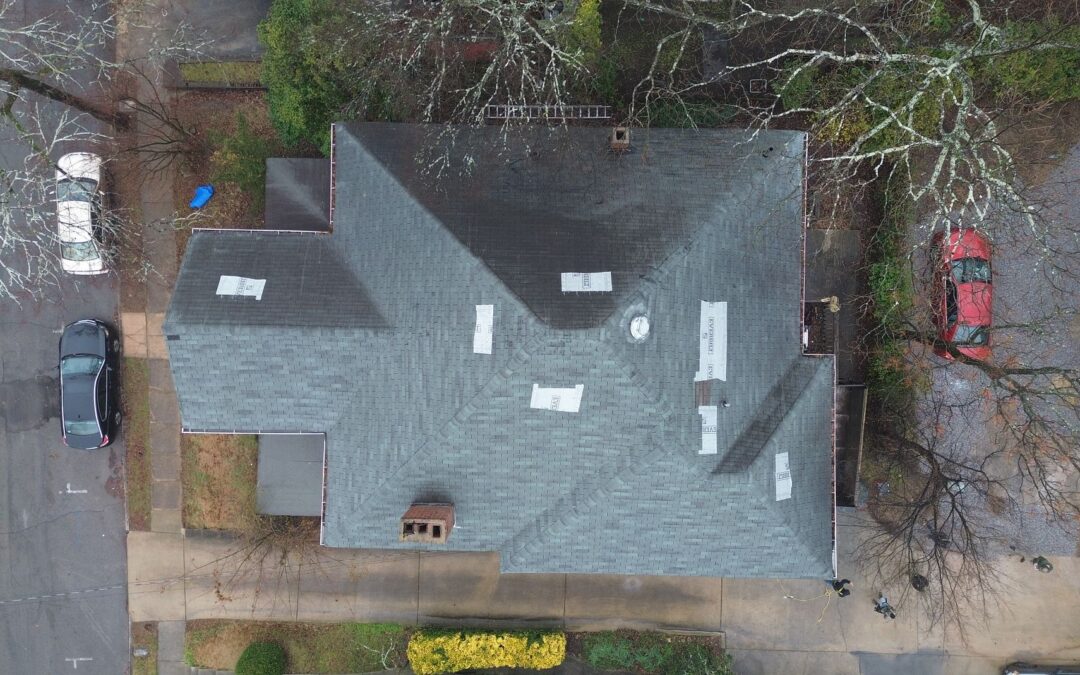
Storm season in Georgia can turn a solid roof into a source of urgent stress in a matter of minutes. In Alpharetta, high winds, pounding rain, hail, and falling tree limbs often leave homeowners dealing with missing shingles, exposed underlayment, and fast-moving leaks. What looks like a small patch of roof damage from the ground can quickly lead to stained ceilings, wet insulation, damaged drywall, and even mold growth inside the home. That is why Alpharetta emergency roof repair after storms is not something to delay.
When a roof system loses shingles during a storm, it is a lot like losing a few protective scales on a fish. At first, the damage may seem minor. But once the protective outer layer is compromised, water finds an opening and begins to move where it should never go. On a roofing system, that means rain can travel beneath surrounding shingles, into the decking, and eventually into your attic and living spaces. A single area of storm damage can trigger a chain reaction that becomes far more expensive than the initial repair.
For homeowners in Alpharetta, understanding the signs of storm damage, the urgency of temporary protection, and the value of a professional storm damage inspection can help prevent a roofing emergency from becoming a major restoration project. If your home has experienced wind damage, roof leaks, or missing shingles after severe weather, acting quickly is the smartest move for both your property and your budget.
Why Missing Shingles After a Storm Are a Serious Roofing Emergency
Shingles are your roof’s first line of defense against water intrusion. Asphalt shingles are designed to shed water down the slope of the roof and away from vulnerable areas like roof decking, flashing, vents, chimneys, valleys, and eaves. When strong winds tear shingles loose or hail fractures them, that water-shedding system no longer performs as intended.
According to FEMA, homeowners should inspect for visible storm damage as soon as it is safe and take prompt action to prevent additional losses after severe weather events. FEMA also emphasizes protecting the home from further damage, which often means emergency tarping or temporary repairs until permanent roof work can be completed. This guidance aligns directly with what roofing contractors see every year in North Georgia after major storms.
Once shingles are missing, several things can happen fast:
- Rainwater can penetrate exposed roofing felt or synthetic underlayment.
- Wind-driven rain can move laterally beneath surrounding shingles.
- Roof decking may begin absorbing moisture, leading to rot or warping.
- Attic insulation can become saturated, reducing energy efficiency.
- Moisture can spread to drywall, ceiling paint, framing, and flooring.
This is why homeowners searching for emergency roof repair in Alpharetta, storm damage roof repair, missing shingle repair, or even an emergency roofer near me should not assume the issue can wait for weeks. Even if a leak has not appeared inside yet, water intrusion may already be in progress behind the scenes.
How Storm Damage Leads to Interior Water Damage
Interior water damage often begins long before you see a ceiling stain. Water entering through a storm-damaged roof can travel along rafters, soak insulation, drip into wall cavities, and pool around light fixtures or HVAC components. By the time it becomes visible inside the home, the leak path may extend well beyond the original missing shingles.
In Alpharetta homes, common warning signs include:
- Brown or yellow ceiling stains
- Peeling paint near crown molding or upper walls
- Damp attic insulation
- Musty odors after rainfall
- Warped drywall or bubbling texture
- Dripping around exhaust vents, skylights, or chimneys
The National Weather Service notes that severe thunderstorms can generate damaging winds capable of lifting roofing materials and causing structural damage. In practical roofing terms, that means even a brief storm cell passing through Alpharetta can create conditions strong enough to loosen tabs, break the adhesive seal on shingles, or rip ridge cap sections away. Once that seal is broken, later rain events can worsen the problem, even if the next storm is less intense.
One of the biggest mistakes homeowners make is focusing only on the visible ceiling spot. Water rarely drips straight down from the entry point. It often travels across framing members before appearing in a room below. That is why a professional roof leak inspection is critical after storms, especially if you suspect water damage from missing shingles.
Water stains can also appear far from the original roof breach because gravity, roof pitch, insulation, and wood framing all influence the path water takes once it enters the attic. A leak near a roof valley may show up as a stain in a hallway ceiling several feet away, which is why accurate leak tracing matters more than guessing based on the location of interior damage.
Common Types of Storm Roof Damage in Alpharetta
Every storm affects roofing systems differently. In Alpharetta and the surrounding North Fulton area, emergency roof repair calls often involve a mix of wind and water issues rather than one isolated problem. A proper inspection should check for both obvious and hidden damage.
Wind Damage
Wind can lift, crease, fold, or completely remove asphalt shingles. It can also loosen flashing around chimneys and roof penetrations. Shingles that remain attached may still be compromised if the seal strip has broken. Prompt wind damage roof repair helps prevent small openings from turning into interior leaks.
Hail Damage
Hail impacts can bruise shingles, knock granules loose, and shorten the useful life of the roof. Granule loss exposes asphalt to UV degradation and accelerates aging. In many cases, professional hail damage roof repair or full replacement may be recommended depending on the age and condition of the roof.
Tree Limb Impact
Falling limbs can puncture shingles, crack decking, or damage gutters and fascia. Even minor limb strikes can create entry points for water.
Flashing Failure
Storms often expose weak points around chimneys, vents, skylights, and valleys. If flashing shifts or sealant fails, leaks can begin in these vulnerable areas.
Gutter and Drainage Issues
Clogged or storm-damaged gutters can force water back toward the roof edge and soffit, increasing the risk of leaks and wood rot.
A trusted local contractor providing storm damage roof repair in Alpharetta should inspect the full roofing system, not just replace a few visible shingles and call it done.
Why Alpharetta Homes Face Unique Storm Repair Challenges
Alpharetta’s mix of mature trees, established neighborhoods, and newer suburban developments creates a unique set of roofing risks after severe weather. Large oak and pine limbs can fall or scrape roof surfaces during wind events, while older homes may already have aging shingles or flashing that become vulnerable during hail and driving rain. In fast-growing neighborhoods, homeowners may also be dealing with roofs installed during earlier building booms that are now reaching the age where roof replacement in Alpharetta becomes a realistic consideration after a major storm.
What to Do Immediately After a Storm Damages Your Roof
Time matters. The right steps in the first 24 to 48 hours can make the difference between a manageable repair and a major interior restoration project.
- Prioritize safety. Stay off the roof, avoid downed power lines, and do not enter areas with sagging ceilings or active electrical hazards.
- Document the damage. Take photos of missing shingles, debris, ceiling stains, wet insulation, and any damaged personal property.
- Schedule an emergency roof inspection. A roofing professional can identify exposed areas, hidden damage, and necessary temporary protection.
- Use emergency tarping if needed. Tarping helps reduce additional water intrusion until permanent repairs can be completed.
- Contact your insurance provider. Prompt reporting can help support your storm damage claim.
If you are seeing active leaking, searching for emergency roof leak repair near Alpharetta should be a same-day priority. Waiting for the next rainstorm can turn a simple repair into a decking replacement, insulation removal, and drywall remediation project.
The Role of Emergency Roof Tarping and Temporary Repairs
Emergency roof tarping is often the first and most important step after storm damage. It is not the final repair, but it buys time and reduces the chance of worsening interior water damage. Professional roof tarping services cover exposed roof sections, help keep water out, and give the contractor a safer window to plan permanent repairs or roof replacement.
Temporary repairs may also include:
- Sealing exposed penetrations
- Securing loose flashing
- Removing hazardous debris
- Stabilizing damaged ridge caps or hip shingles
This step is especially important when severe weather patterns continue for several days, which is common during Georgia storm cycles. Homeowners who delay temporary protection often discover that the second storm causes more damage than the first.
When Roof Repair Is Enough and When Replacement May Be Smarter
Not every storm-damaged roof needs full replacement. In many Alpharetta emergency roof repair situations, targeted shingle replacement, flashing repair, and leak sealing can restore the roof if the damage is limited and the system is otherwise in good condition.
However, replacement may be the better long-term choice if:
- The roof is older and already near the end of its service life
- Wind damage is widespread across multiple slopes
- Hail damage has significantly reduced shingle integrity
- The decking has absorbed enough moisture to require structural repair
- Matching discontinued shingles is not possible
A reputable Alpharetta roofing contractor should explain both the short-term fix and the long-term implications. Sometimes a repair solves today’s leak but leaves the homeowner vulnerable during the next major thunderstorm. Other times, a focused repair is the most cost-effective and responsible solution. In cases where repairs would only delay recurring problems, roof replacement Alpharetta homeowners can depend on may offer better protection and long-term value.
Insurance Claims and Storm Damage Documentation
Storm damage claims are often easier to support when homeowners act quickly and keep clear records. Photographs, timestamps, inspection notes, emergency tarp invoices, and interior damage documentation can all help establish the timeline and scope of loss.
Roofing contractors experienced in insurance roof claims for storm damage can often assist by identifying affected components, documenting wind-lifted shingles, and noting signs of hail impact or water intrusion. While no contractor should promise claim outcomes, detailed reporting can make the adjustment process smoother.
Homeowners should also understand their mitigation duties after a storm. In many insurance situations, policyholders are expected to take reasonable steps to prevent further damage, such as arranging temporary roof tarping, removing standing water, or protecting contents under an active leak. Failing to act promptly can sometimes complicate a claim if additional damage occurs that could have been reduced.
For homeowners in Alpharetta, it is wise to keep copies of:
- Pre-storm roof maintenance records
- Post-storm photos and videos
- Emergency service invoices
- Inspection reports
- Communication with the insurance carrier
Mold, Moisture, and Indoor Air Quality Risks
When roof leaks are not addressed quickly, the problem extends beyond stains and damaged materials. Wet insulation and damp drywall can create conditions that support mold growth, especially in warm, humid Georgia weather. Once moisture lingers in attic spaces or wall cavities, indoor air quality can suffer, and cleanup may require more than basic roofing work. Fast drying, removal of saturated materials when necessary, and prompt leak repair help limit both structural damage and health-related concerns.
How to Choose the Right Alpharetta Emergency Roofing Contractor
After a major storm, many homeowners get flooded with calls, flyers, and door knocks from contractors. Choosing the right roofer is critical. Emergency situations create urgency, but that should not mean rushing into poor workmanship.
Look for a roofing company that offers:
- Fast response for emergency roof repair in Alpharetta
- Experience with storm, wind, and hail damage
- Detailed inspections and written estimates
- Emergency tarping services
- Proof of licensing, insurance, and local presence
- Clear communication about repair versus replacement options
Local knowledge matters in roofing. Alpharetta homes face regional weather patterns, seasonal humidity, and storm conditions that affect material performance differently than in drier climates. A contractor familiar with Georgia roofing needs is more likely to recommend solutions that hold up over time.
Preventing Future Interior Water Damage After Roof Storm Events
Once your immediate leak is addressed, prevention should be the next focus. Storm damage often reveals weaknesses that were already developing, such as aging shingles, vulnerable flashing, clogged gutters, or inadequate attic ventilation.
To reduce future risk:
- Schedule annual roof inspections
- Inspect the roof after major wind or hail events
- Keep gutters and downspouts clean
- Trim overhanging limbs near the roofline
- Address minor shingle damage before storm season
- Upgrade aging roofing materials when repair frequency increases
Think of preventive maintenance like changing the oil in a truck used for daily work. Skip it long enough, and the small cost you avoided becomes a much bigger mechanical bill later. Roofing works the same way. Minor maintenance is far cheaper than emergency leak repair plus interior restoration.
Future Roofing Trends and What Alpharetta Homeowners Should Expect
Looking ahead, emergency roof repair demand in Alpharetta is likely to remain strong as weather volatility, housing age, and homeowner expectations continue to shift. More property owners are paying attention to impact-resistant shingles, better attic ventilation, advanced synthetic underlayments, and more durable flashing systems because they want roofs that can stand up better to severe weather.
There is also growing awareness that fast storm response is not just about patching leaks. It is about protecting indoor air quality, insulation performance, energy efficiency, and structural components before moisture has time to spread. As severe weather forecasting improves, more homeowners may begin scheduling proactive roof inspections before and after major storm systems rather than waiting for visible interior damage.
In practical terms, the future of residential roofing in Alpharetta will likely involve more preventive service plans, better storm documentation technology, and stronger emphasis on resilient roofing systems. Homeowners who invest in regular inspections and prompt repairs today may avoid the larger and more expensive water damage scenarios that become common after repeated storm exposure. Over time, demand may also increase for roofing materials designed specifically to perform better against hail, sudden wind gusts, and repeated heavy rain events in the Southeast.
Final Thoughts on Emergency Roof Repair After Storms in Alpharetta
When storms hit Alpharetta, missing shingles are never just a cosmetic problem. They are a warning sign that your home’s water barrier has been compromised. What starts as a few displaced shingles can become attic moisture, stained ceilings, damaged insulation, mold risk, and costly repairs throughout the interior. Fast action matters.
If you suspect storm roof damage, roof leaks after wind damage, or interior water damage from missing shingles, the best next step is a professional emergency inspection. A qualified local roofer can identify the source, provide temporary protection, document the damage, and recommend the right path forward. In roofing, delays are expensive. The sooner you stop the intrusion, the better your odds of keeping a storm event from turning into a long-term home repair problem.
If your home has been hit by wind, hail, or heavy rain, scheduling prompt emergency service can help protect both the roof and everything beneath it. A fast inspection today is often the simplest way to prevent a much larger repair tomorrow.