
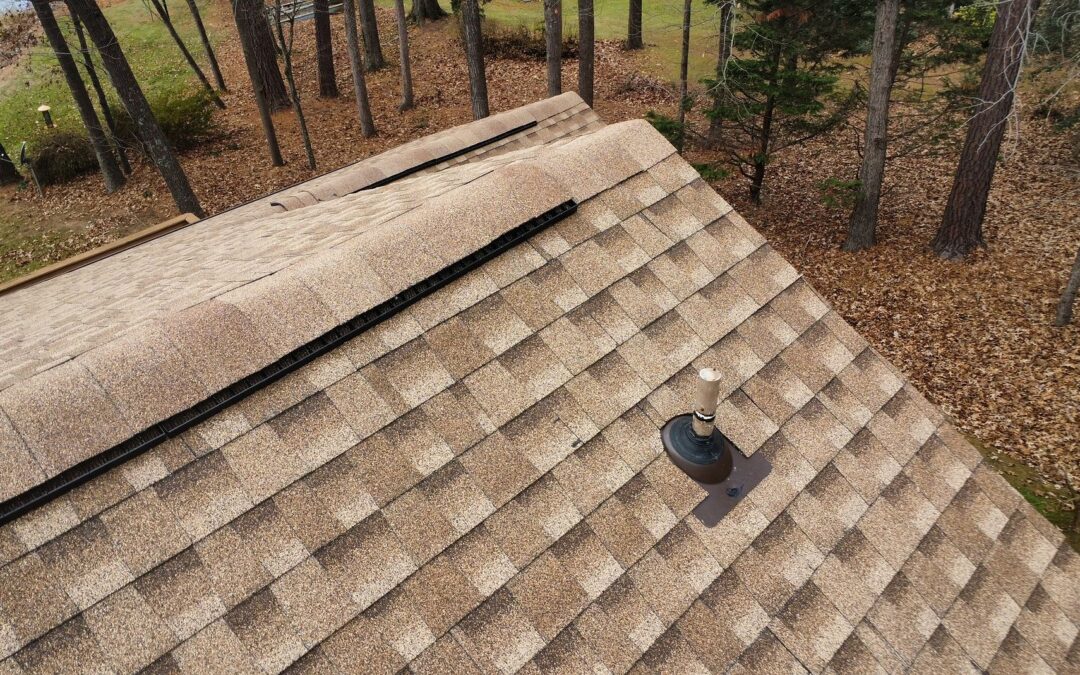
Alabama storm season can turn small roof issues into big, expensive leaks fast. If you want to spot roof damage before the next heavy rain, use this practical roof inspection in Alabama checklist and fix problems before water finds a way in.
To spot roof damage before heavy rain in Alabama, do this: follow the quick checklist below, then photograph issues and book a licensed inspection within 48 hours.
Featured Snippet: Quick Checklist to Spot Roof Damage in Alabama
- Scan shingles from the ground with binoculars for missing, creased, curled, or shifted tabs.
- Check gutters and downspouts for granules, clogs, and loose hangers to ensure fast drainage.
- Inspect flashing at chimneys, valleys, skylights, and wall ties for gaps, rust, or lifted edges.
- Identify hail signs—soft bruises, circular granule loss, and dents in metal components.
- Examine roof penetrations—pipe boots, vents, and ridge caps—for cracked rubber or broken seals.
- Look inside the attic for water stains, damp insulation, musty odors, or daylight.
- Document everything with clear photos and scale (place a coin beside damage).
Photograph issues and schedule a licensed roof inspection in Alabama within 48 hours.
What counts as roof damage?
Roof damage includes wind‑creased or missing shingles, hail‑bruised shingles with circular granule loss, dented metal, cracked pipe boots, failed flashing, clogged gutters that back up water, and any attic moisture, stains, or daylight—especially after wind‑driven rain.
Why Alabama roofs face extra risk each storm season
Alabama’s severe weather follows a familiar cadence. Late winter–spring brings supercells, hail, and tornadoes. June–November is tropical season with soaking remnants. A secondary fall severe season often reappears. Cities like Birmingham, Huntsville, Mobile, Montgomery, Tuscaloosa, and Dothan see these cycles stress roofs repeatedly.
The Atlantic hurricane season runs June 1–November 30, and tropical remnants frequently track inland over Alabama, bringing wind‑driven rain that exploits weak flashing and edges (NOAA National Hurricane Center). Historical losses from severe convective storms and tropical systems are consistently high across the Southeast (NOAA NCEI).
How to spot roof damage in Alabama safely
Safety first. If you suspect structural damage, do not climb. Many problems can be identified from the ground or inside the attic. Avoid walking on wet algae, granule‑heavy areas, or steep slopes that increase fall risk.
- Tools: Binoculars, smartphone camera, flashlight, chalk or marker for notes, gloves.
- Timing: Inspect in dry daylight. Re‑check after the next rain for new stains.
Personal protective equipment (PPE) if climbing is unavoidable:
- Non‑slip shoes, safety glasses, and work gloves.
- Roof‑rated harness and a secure anchor point.
- Use a stable ladder and a spotter—never inspect alone.
Exterior scan: shingles and roof surface
- Missing or shifted shingles: Gaps appear along ridges and eaves where wind uplift peaks.
- Creased or lifted tabs: A horizontal crease signals wind damage that compromises water shedding.
- Curled edges or brittle areas: Heat and age accelerate in Alabama; curled edges invite wind‑driven rain.
- Nail pops: Raised nail heads telegraph as small bumps; they break seals and can create capillary paths for leaks during wind‑blown downpours.
- Granule loss: Look for exposed black asphalt and sand‑like granules in gutters—common after hail or intense UV.
- Cleaning myth: Hail marks won’t wash away; algae creates green/black streaks that smear, while hail leaves soft, granule‑loss depressions.
- Documentation tip: Photograph a coin next to bruises or creases to show scale for insurance.
Wind and hail roof damage signs: flashing, edges, and penetrations
- Chimneys and walls: Step flashing should overlap so water flows downslope. Each piece laps the shingle course below. Caulk is not a substitute for correctly lapped metal.
- Roof valleys: These are storm highways. Check for shingle cuts, exposed underlayment, and scouring.
- Pipe boots and vents: UV‑cracked rubber and brittle plastic are leak risks in the next heavy rain.
- Drip edge and eaves: Metal drip edge helps block wind‑driven rain at the perimeter—often the first failure point.
Gutters and downspouts
- Granules and shingle crumbs: Excess after a storm suggests impact or age‑related shedding.
- Sagging or loose hangers: Wind and debris pull gutters away, letting water back up into fascia and roof edges.
- Clogs and discharge: Clear debris and use downspout extensions so water exits 4–6 feet from the foundation to prevent fascia and soffit rot.
Interior check: attic and ceilings
- Daylight: Pinholes or slivers indicate lifted shingles, nail pops, or failed flashing.
- Moisture: Use a flashlight to find dark or shiny areas. Squeeze insulation—dampness means a leak uphill.
- Tracing slow leaks: Dust with talc or mark with sidewalk chalk to follow drip paths during the next storm.
- Moisture meter: Readings above 15% wood moisture content are a red flag for active or recent leaks.
- Odor and paint: Musty smells and bubbling paint around vents or chimneys usually signal flashing problems.
Alabama Roof Damage: Common Costs and Timelines
Minor repairs: Expect $150–$450 for pipe boot replacement and $400–$1,200 for small flashing fixes or a handful of shingles. These are typically scheduled within a week during non‑peak periods, subject to crew availability.
Moderate repairs: Slope‑specific shingle replacement, fascia repairs, or partial valley work often run $750–$2,500. Timelines are usually 1–2 days depending on access and weather, with permits processed in 1–3 business days in many municipalities.
Full replacement: For an average 2,000 sq ft home, plan for $8,500–$18,000+ depending on materials, pitch, access, ventilation upgrades, and code requirements. Project duration is usually 1–3 days, but post‑storm material backlogs and inspections can extend schedules by a week or more.
Coastal counties may see higher costs due to IBHS FORTIFIED Roof detailing, sealed deck requirements, and corrosion‑resistant fasteners. After widespread storms, shingle and underlayment supply can tighten, which may add 2–4 weeks to lead times.
Repair vs. Replace: Making the right call
- Warranties: Manufacturer and workmanship warranties may exclude improper installation, exposed fasteners, or over‑driven nails.
- Age thresholds: 3‑tab shingles often warrant replacement around 12–15 years. Architectural shingles around 15–25 years with good ventilation and maintenance.
- Color matching: Partial replacements can leave visible patchwork; consider curb appeal and resale implications.
Sealed roof deck systems and enhanced nailing patterns—six nails per shingle—materially improve wind performance and reduce water intrusion during wind‑driven rain events per IBHS guidance (IBHS FORTIFIED Roof). Six‑nail patterns increase uplift resistance compared to four nails, and a sealed deck helps limit water entry even if shingles lift briefly in gusts.
DIY vs. Pro: What you can safely do before a storm
Safety disclaimer: Roof work is hazardous. Falls can be fatal, and improper repairs can worsen leaks. If you are uncertain, hire a licensed contractor. Never work in lightning, high wind, or on wet, icy, or algae‑covered surfaces. Keep children and pets clear of work areas and ladders.
Safe DIY tasks: Remove debris, clean gutters and downspouts, re‑secure a loose downspout strap, and apply a small bead of high‑quality sealant to non‑pressurized, minor gaps at exposed trims—not as a substitute for proper flashing. Replace a brittle rubber pipe boot collar with a retrofit cover if the slope is walkable and dry. Photograph all work for your records.
Pro‑only tasks: Steep‑slope walking, valley replacement, chimney or wall flashing rebuilds, structural decking repairs, skylight or pipe boot replacements that require shingle removal, and any work requiring code‑compliant tie‑ins. Electrical or HVAC roof penetrations should be coordinated with licensed trades.
Caution: Improperly driven nails, over‑driven pneumatic nails, or exposed fasteners can void warranties and invite wind uplift and leaks. Use manufacturer‑specified fasteners and patterns when performing any minor repair.
Insurance tips for Alabama homeowners
- Document: Take timestamped wide shots, close‑ups with scale, and attic photos after the storm.
- File: Report promptly and ask about deductibles, depreciation (ACV vs. RCV), and claim deadlines.
- Meet: Attend the adjuster inspection with your roofing contractor to identify subtle wind creases or hail bruises and to discuss code‑required items.
Verify contractor credentials with the Alabama Home Builders Licensure Board. Avoid signing assignment‑of‑benefits documents unless reviewed by an attorney or trusted agent. If you carry Ordinance or Law coverage, needed code upgrades like drip edge or sealed deck may be covered—ask specifically.
Analogy: Your roof is a raincoat—if the seams are sealed
Imagine heading into a downpour wearing a premium raincoat with a stuck zipper and peeling seams—you’ll still get soaked. Your roof works the same way: shingles are the fabric; flashing, sealants, drip edge, and ventilation are the zippers and seams. Think of underlayments and a sealed roof deck as the raincoat’s seam tape—they keep wind‑driven water from sneaking through.
Month‑by‑month storm readiness in Alabama
Late winter–spring (Feb–May): Severe storms, hail, and tornadoes peak. Action: Inspect ridge caps, valleys, and step flashing. Clear debris and confirm gutters and downspouts flow freely.
Summer (Jun–Aug): Heat and pop‑up storms strain shingles and fasteners. Action: Check for curled tabs, nail pops, and cracked pipe boots. Improve attic ventilation to reduce heat aging.
Late summer–early fall (Aug–Oct): Peak tropical threats bring days of wind‑driven rain. Action: Re‑seal vulnerable flashing, verify drip edge integrity, and consider sealed deck upgrades.
Set calendar reminders for spring and late‑summer roof inspections to align with Alabama’s storm cycles.
Preventive moves before the next heavy rain
- Clean gutters, valleys, and roof drains so water sheds fast.
- Trim trees back 6–10 feet to reduce limb impacts and leaf litter.
- Re‑seal flashing and penetrations with pro‑grade products. Don’t rely on caulk where metal laps are required.
- Secure loose shingles and ridge caps with correct, code‑compliant fasteners.
- Upgrade weak points: install metal drip edge, synthetic underlayment, and consider a sealed roof deck—especially along the Gulf Coast.
- Use coastal fasteners: Within 3 miles of the coastline, prefer stainless or hot‑dipped galvanized fasteners to combat corrosion and wind failures.
- Choose impact‑rated shingles: In hail‑prone corridors, upgrade to Class 3 or Class 4 impact‑rated shingles; impact rating reduces functional damage but isn’t hail‑proof.
- Remove hazards: Take down loose satellite dishes, old antennas, or unsecured rooftop hardware that can become wind‑borne debris.
- Have a plan: Keep tarps, cap nails, and a contractor’s number ready in case a limb hits during a storm.
Future outlook: What Alabama homeowners should expect
Research shows heavier downpours and costly severe storms are trending across the Southeast. These patterns increase stress on flashing, roof edges, and drainage. Warmer Gulf waters can intensify rainfall rates in tropical systems and remnant lows. That means longer periods of wind‑driven rain that exploit small vulnerabilities at penetrations and perimeters.
La Niña phases often correlate with more active Atlantic seasons, raising the odds of tropical activity that can affect Alabama. Expect more frequent, intense precipitation to test how well shingles seal, how valleys move water, and whether drip edges and step flashing are correctly lapped and fastened (NCA5, U.S. Global Change Research Program; NOAA NCEI). Schedule semiannual inspections in spring and late summer to stay ahead of emerging risks.
Plan for shorter maintenance intervals, periodic re‑sealing of penetrations, and proactive documentation. Higher standards—impact‑rated shingles, sealed roof decks, enhanced nailing, and IBHS FORTIFIED Roof details—pay back through fewer leaks and smoother insurance claims.
Photo checklist: What to capture for claims
- Wide shots of each slope and the entire property.
- Close‑ups with a coin or ruler for scale.
- Directional context marked as north/south/east/west.
- Attic moisture, stained insulation, and ceiling bubbles.
- Timestamped images and short video walkthroughs.
What not to do after a storm
Do not pressure wash shingles—high pressure removes protective granules and voids warranties. Avoid covering the entire roof with non‑breathable plastic for more than 72 hours; trapped moisture can cause rot and mold. Don’t nail through shingles without sealant backing and proper flashing—this invites leaks. Do not remove or bend flashing to “look underneath.” Leave structural or steep‑slope work to pros. If tarping is necessary, secure emergency tarps with cap nails at edges and battens where possible, avoiding new penetrations in the field of shingles.
FAQs
How can I tell if my roof will leak in the next heavy rain?
Look for creased or lifted shingles, failing flashing, clogged gutters and downspouts, and any attic moisture. If you see daylight or damp insulation, call a pro now.
Do small hail marks really matter?
Yes. Small bruises accelerate granule loss and shorten shingle life, leading to leaks months later. Document and request a professional hail damage roof inspection.
How can I tell hail from blistering?
Hail bruises form soft depressions with fractured granules and irregular edges. Blisters pop and leave sharp‑edged craters with displaced granules nearby. Check nearby metal for impact dents to confirm hail.
Is it safe to walk on my roof?
Generally, no. Slopes, algae, and loose granules increase fall risk and cause damage. Use binoculars and attic checks, and schedule a professional inspection instead.
Will insurance cover code upgrades?
Only if you carry Ordinance or Law coverage. Ask your carrier about drip edge, underlayment, sealed deck, and ventilation upgrades when a replacement is approved.
Can a sealed deck help in wind‑driven rain?
Yes. A sealed roof deck with taped sheathing seams or self‑adhered membrane reduces water entry if shingles lift. It is a key IBHS FORTIFIED Roof recommendation (IBHS).
What upgrades make the biggest difference for Alabama storms?
Metal drip edge, enhanced nailing patterns, sealed roof deck, synthetic underlayment, and Class 3/4 impact‑rated shingles. Consider FORTIFIED Roof upgrades for added resilience.
Do algae‑resistant shingles prevent hail or wind damage?
No. Algae‑resistant shingles reduce staining only. They do not address impact or wind performance.
How can I improve ventilation?
Add ridge vent baffles and ensure adequate soffit intake. Balanced airflow reduces heat aging and moisture buildup that lead to premature failure.
Citations and resources
- NOAA National Hurricane Center: Atlantic hurricane season (June 1–Nov 30)
- NOAA NCEI: U.S. billion‑dollar weather and climate disasters
- NCA5: U.S. Global Change Research Program
- IBHS FORTIFIED Roof: Guidance and benefits
- FEMA Building Science: Residential roofing guidance
- Alabama Emergency Management Agency: Severe weather resources
- Strengthen Alabama Homes: Grants and resources
Image alt text recommendations
- Close‑up of creased asphalt shingle after wind uplift.
- Circular hail bruise with granule loss on architectural shingle.
- Properly lapped step flashing at a brick chimney.
- Downspout extension discharging water 6 feet from the foundation.
Next steps and local help
If you discover potential wind or hail damage, document it now, then contact a reputable local contractor for roof repair in Alabama. Request photos, a written scope of work, confirmation of code compliance, and options for FORTIFIED Roof upgrades. Homeowners in Birmingham, Huntsville, Mobile, Montgomery, Tuscaloosa, Dothan, and Gulf Coast communities can often schedule a free roof inspection within 24–48 hours.
Proactive inspection plus targeted upgrades can prevent most leaks during Alabama’s heaviest downpours—take action before the next storm.